

 LINEで送る
[ ENGLISH VERSION BELOW ]
プロジェクト概要
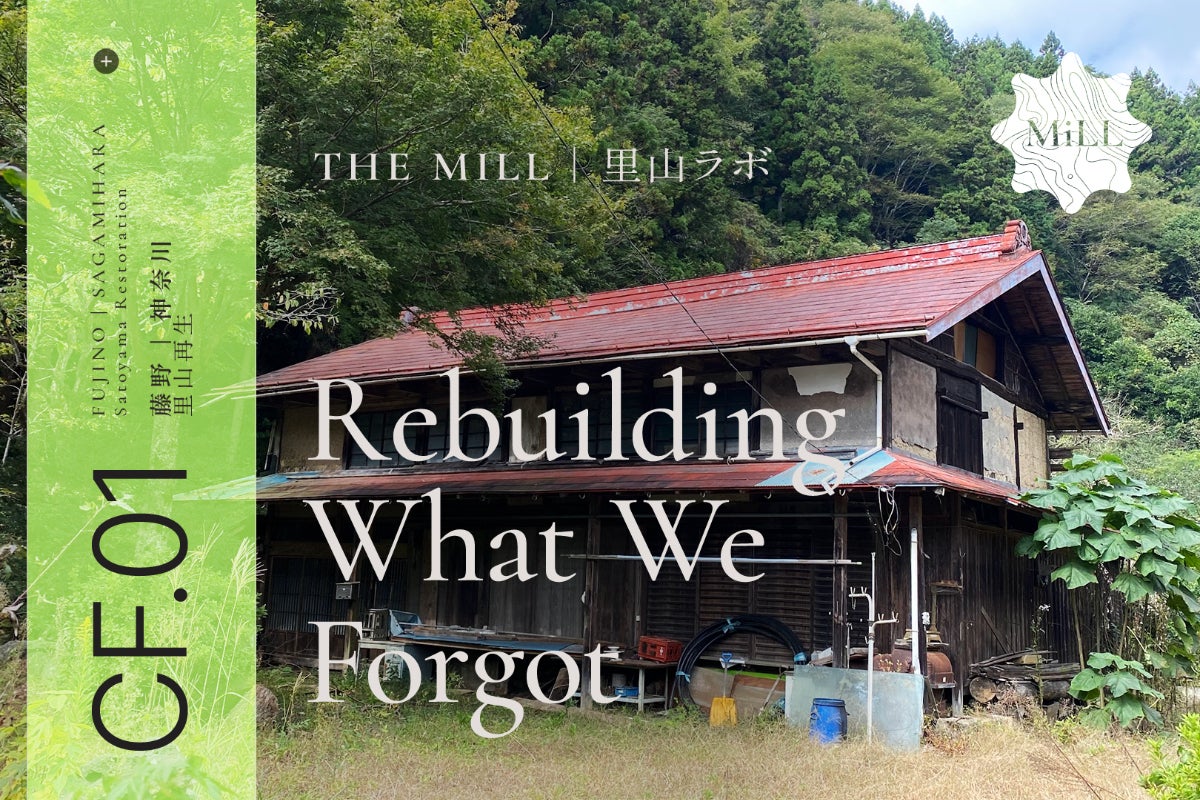
神奈川県藤野にある築120年の養蚕農家を修復し、伝統建築と循環型の暮らしを統合する再生型ラーニング拠点〈the MiLL〉へと再生するプロジェクトです。
再生を選ぶ理由
藤野の山あいに、築120年の養蚕農家があります。
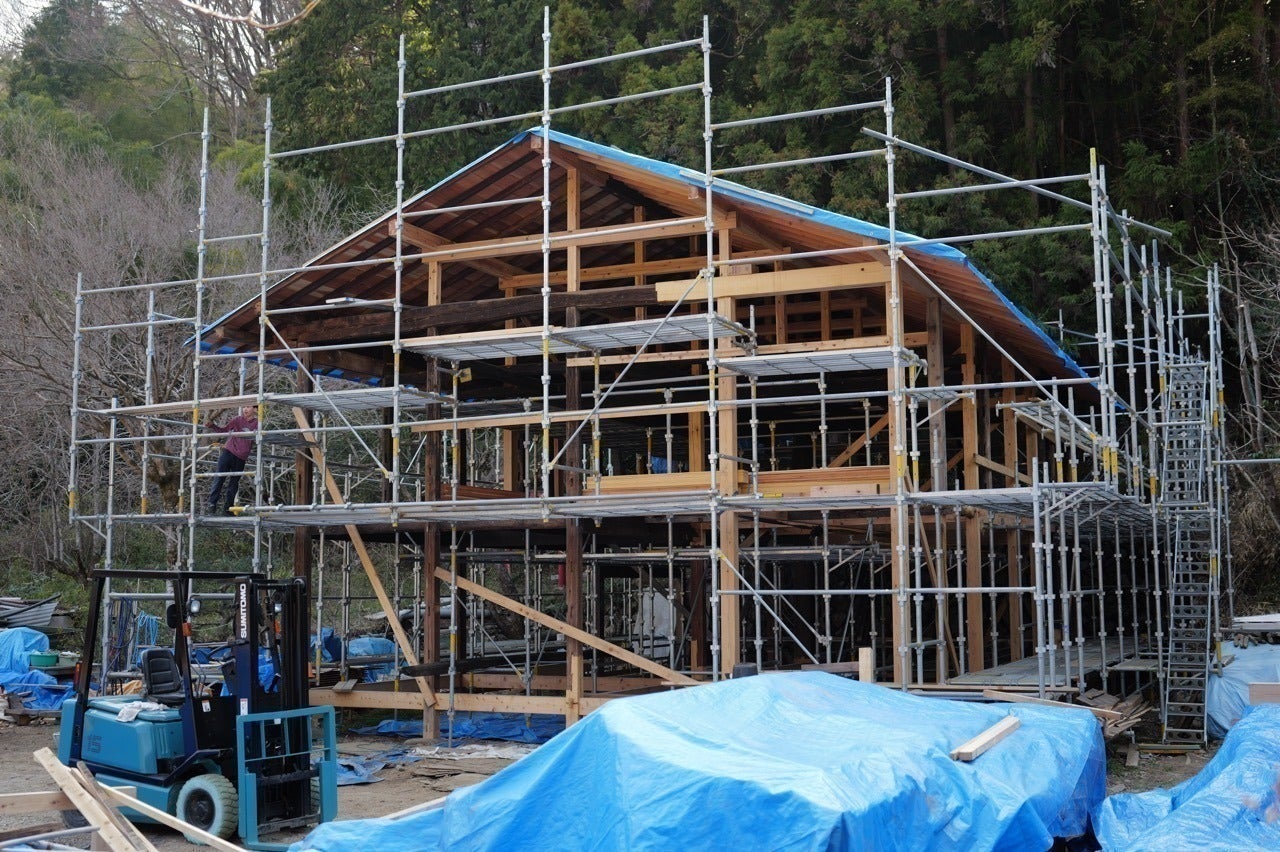
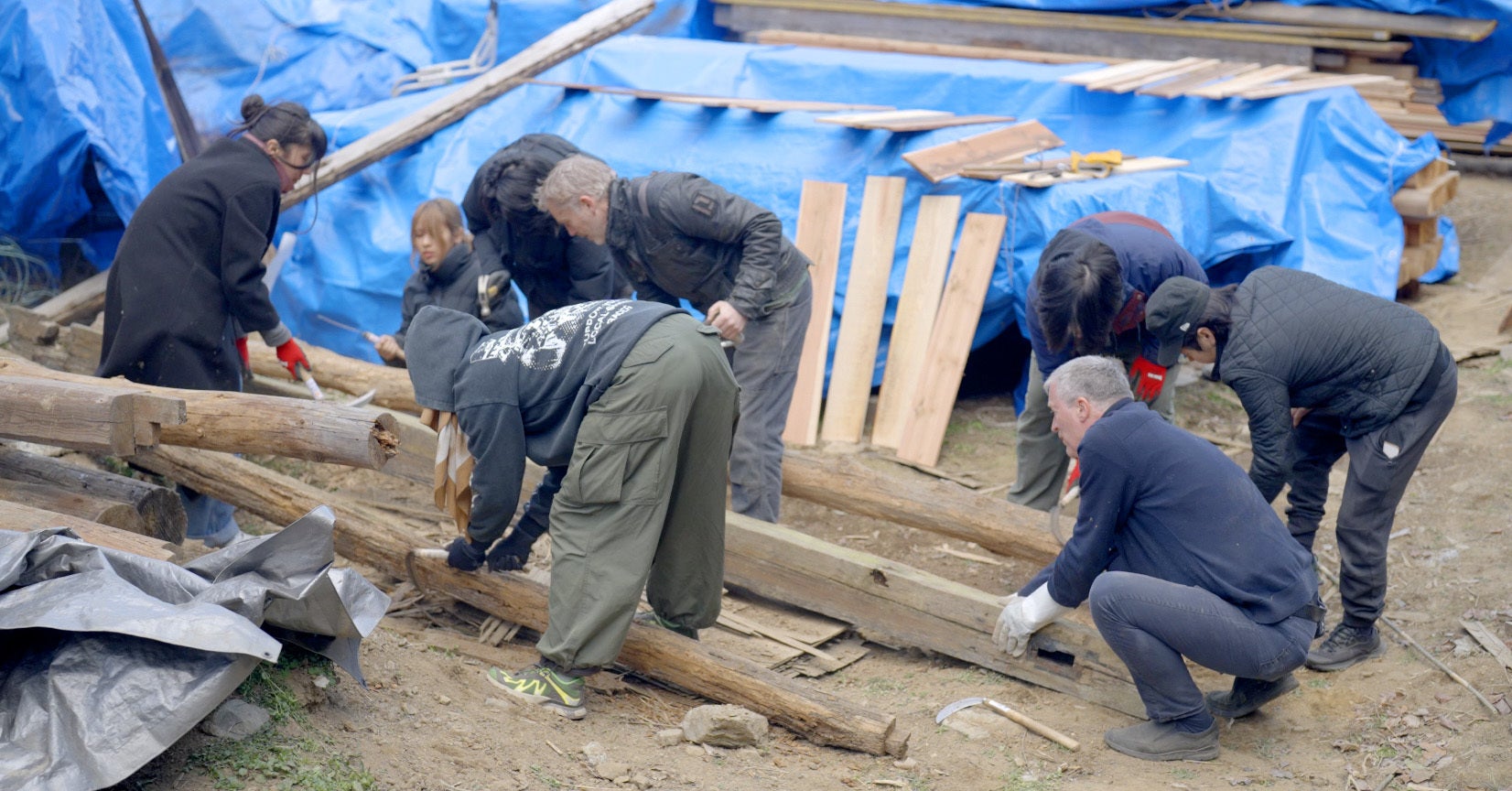
この一年、伝統工法によって基礎を据え直し、木組みを丁寧に修復してきました。現在、建物の90%以上が再び立ち上がっています。
築150年の建物を再生することは、決して容易な選択ではありません。現代では、新築よりも伝統的修復の方が高額になることもあります。資材価格は上昇し、熟練職人も年々減少しています。
それでも私たちは解体ではなく、再生を選びました。
それは懐古のためではありません。既存の建築を活かし、未来へ進化させること自体が「再生」だからです。
7月を完成と始動の重要な節目とし、本キャンペーンは、伝統技術と再生型インフラを妥協なく統合するための最終フェーズ支援となります。
the MiLLは、いま最終施工段階へ。物理的な修復が、実践の場へと変わる「創設シーズン」の始まりです
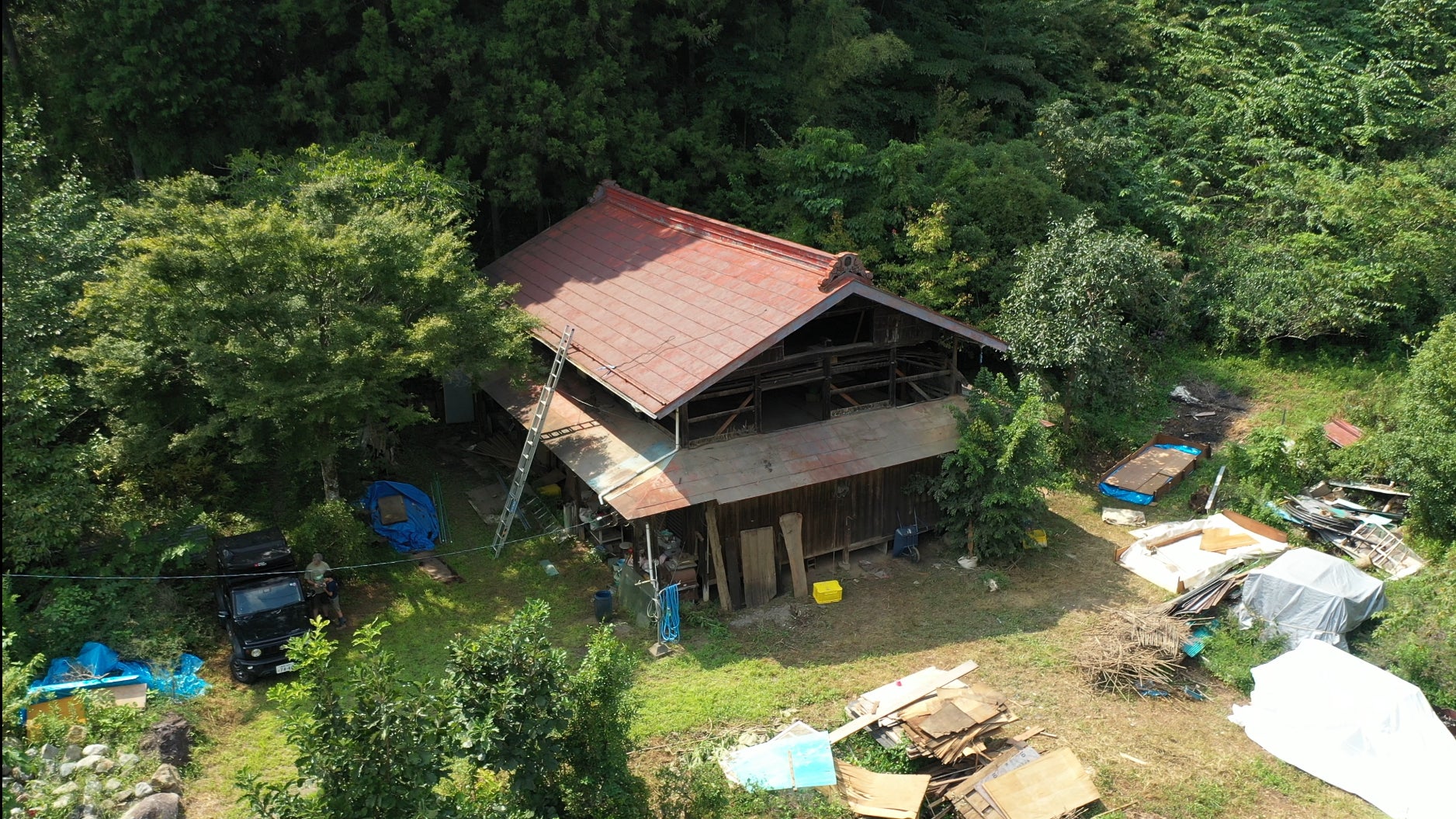
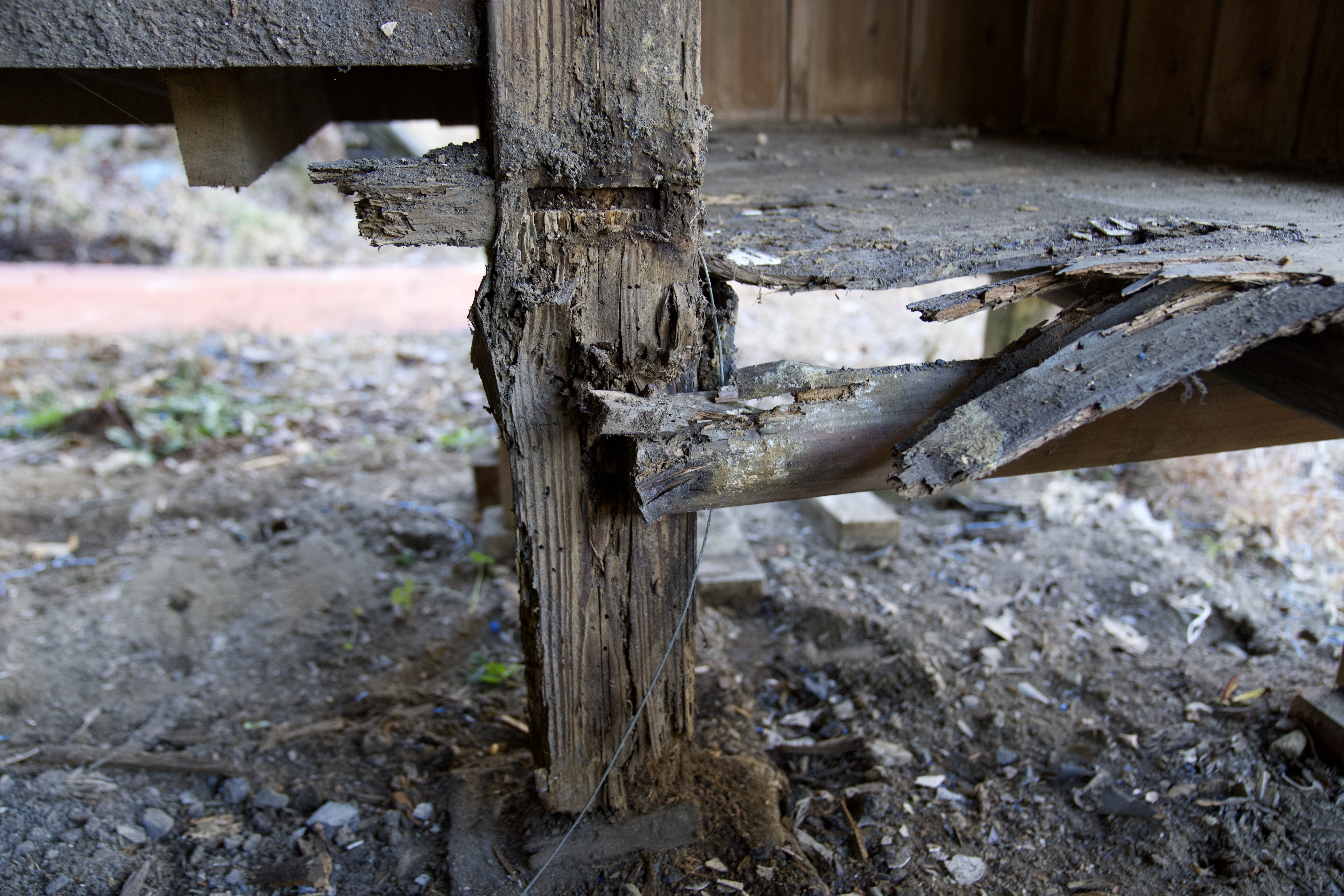
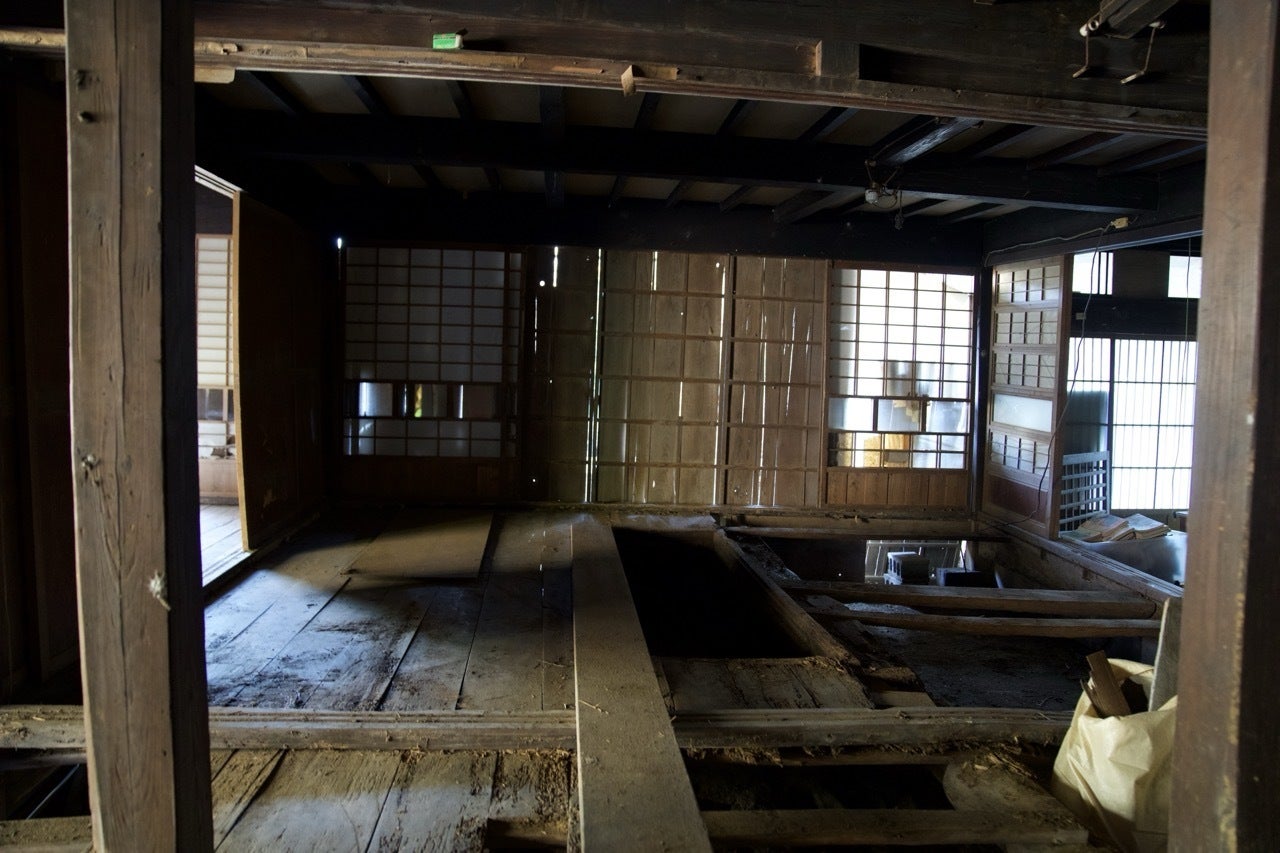
これが建物の当初の状態でした。しかし、私たちは家を解体することまでは考えていませんでした。
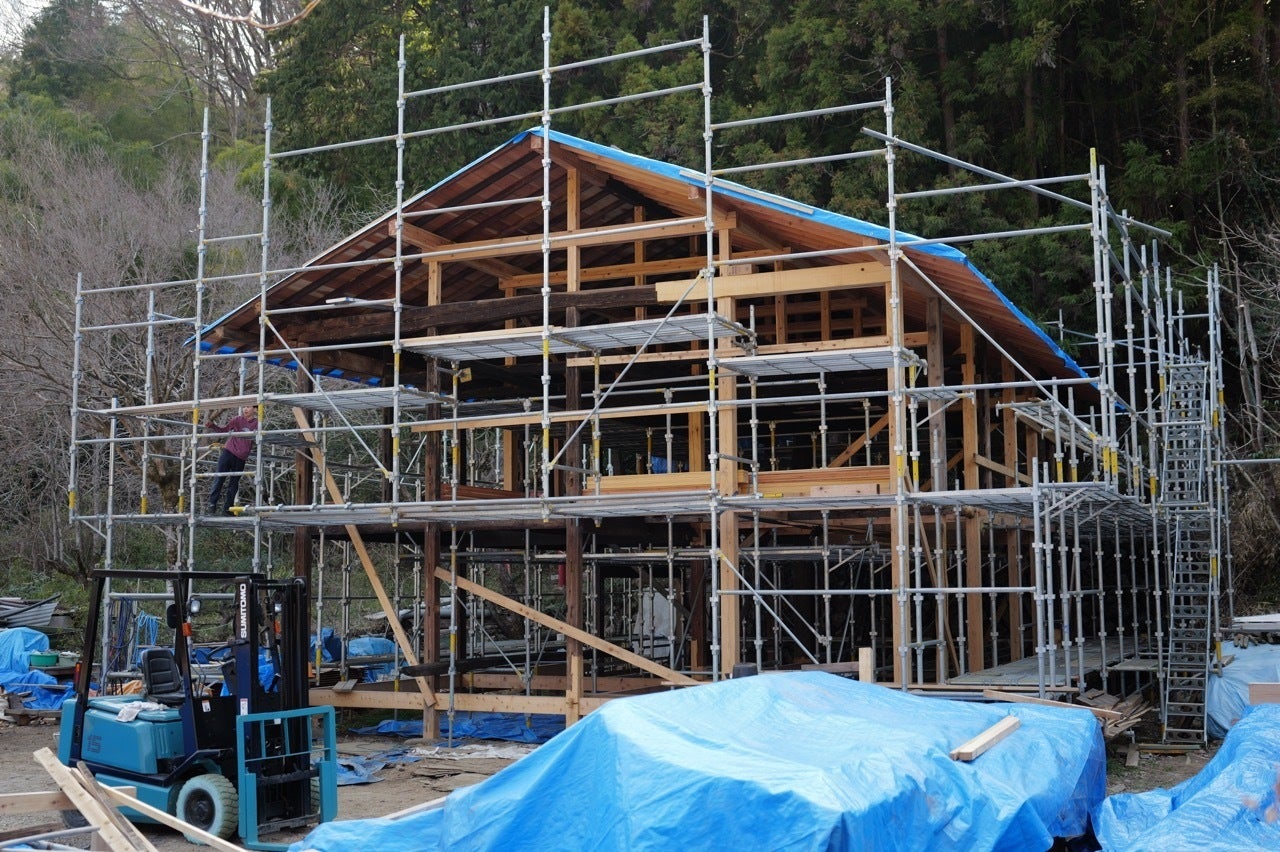

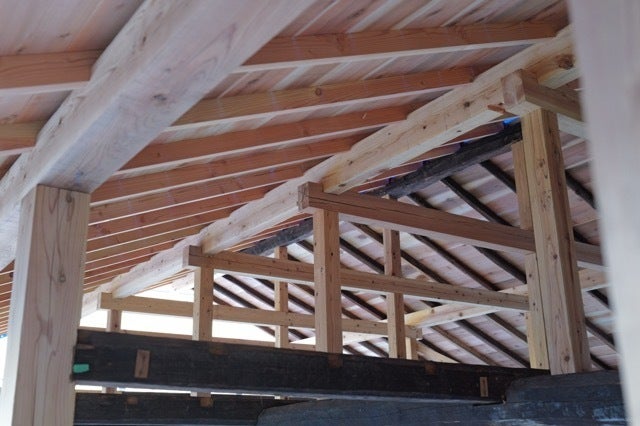
私たちの目標は、修復工事を通じて、元の構造を可能な限り維持することです。
なぜこのプロジェクトを立ち上げたのか
藤野はかつて、養蚕、茶づくり、炭焼きなど、里山の循環に根ざした産業で栄えていました。
しかし戦後の急速な工業化により、地域産業は衰退し、人口は減少。多くの古民家が解体・放置され、技術や知恵も静かに失われてきました。
一方、都市では土地や素材、自然の循環から切り離された暮らしが広がっています。
the MiLLは、その断絶をつなぎ直す試みです。
それは、
・伝統建築と職人技術を守ること・再生型・循環型の暮らしへと進化させること
保存と進化を同時に実践する挑戦です。
茶と季節が導く、再生の学び
敷地内には、古くからこの地に根差す茶畑があります。 私たちはここを単なる体験の場に留めず、失われつつある伝統技法を用いた「手揉み」による、高精度なオーガニック茶の生産拠点へと再生させます。
丁寧な摘採、季節の観察、手作業による加工。茶は、忍耐、注意深さ、自然への敬意を教えてくれます。
今後は茶の収穫や加工体験に加え、この土地の記憶を凝縮したプロダクト開発を通じて、古民家再生と響き合う「循環の美学」を届けていきます。
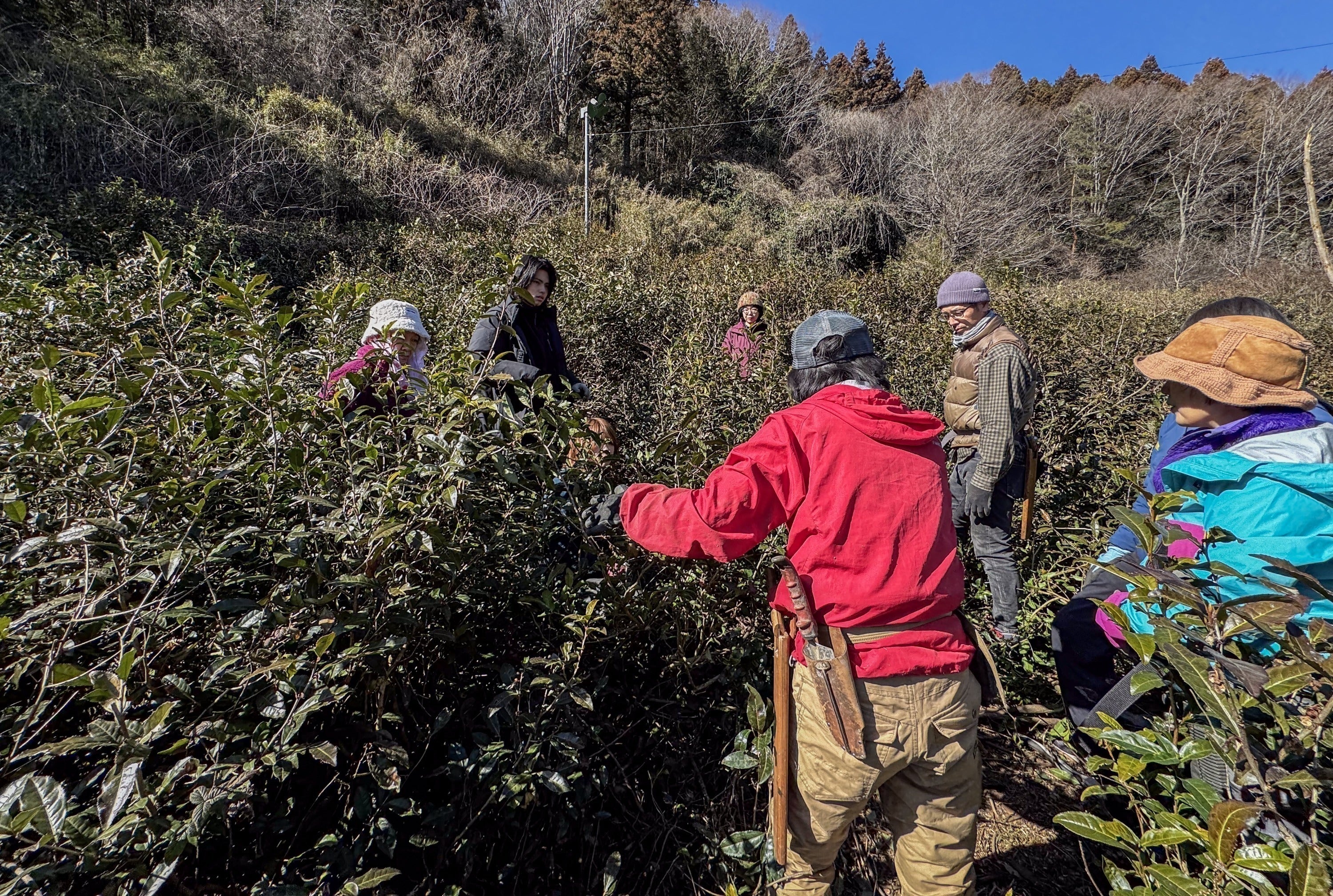
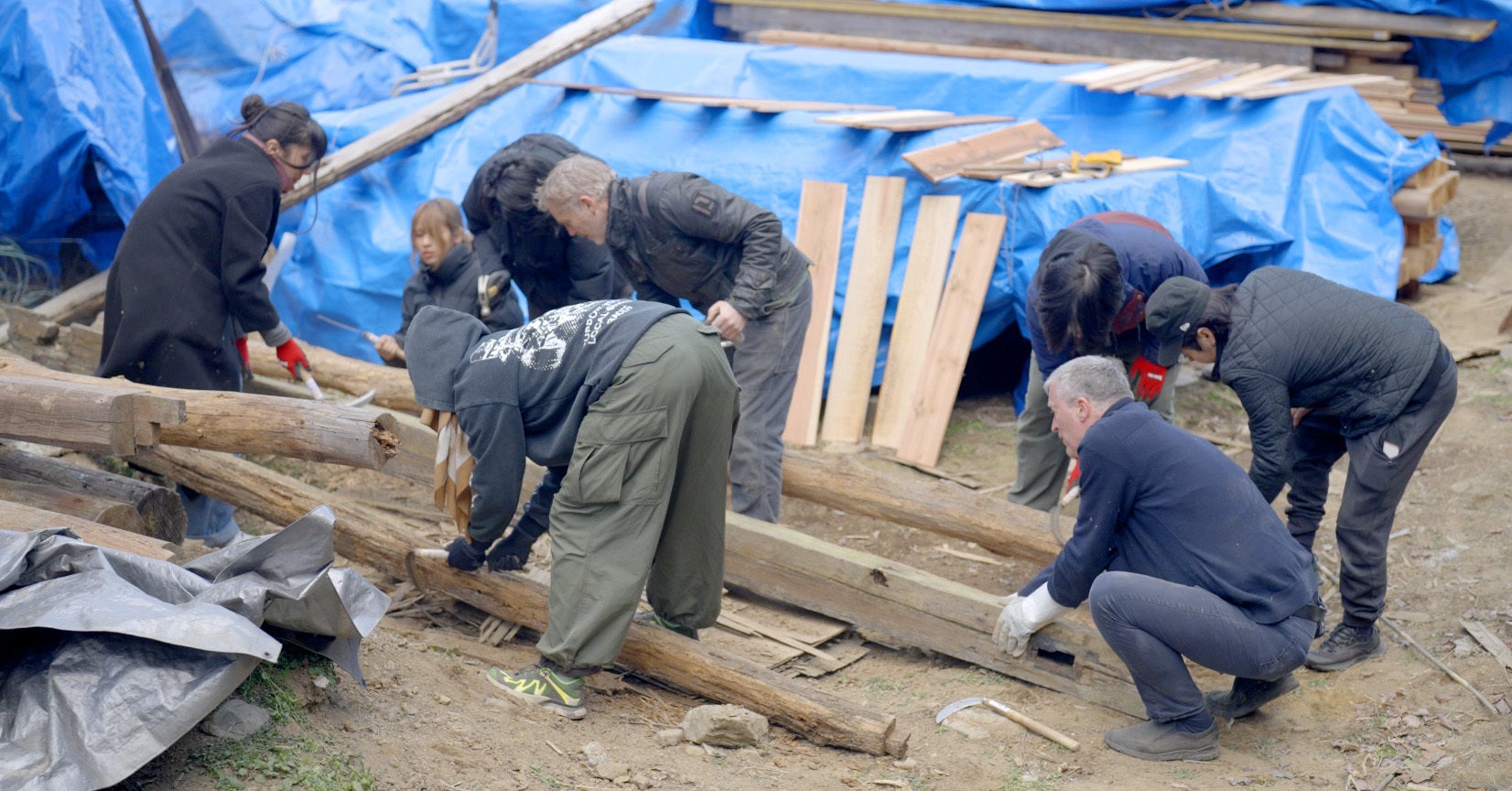
 約20年間手入れされていなかったTHE MILLの茶畑を再生し、
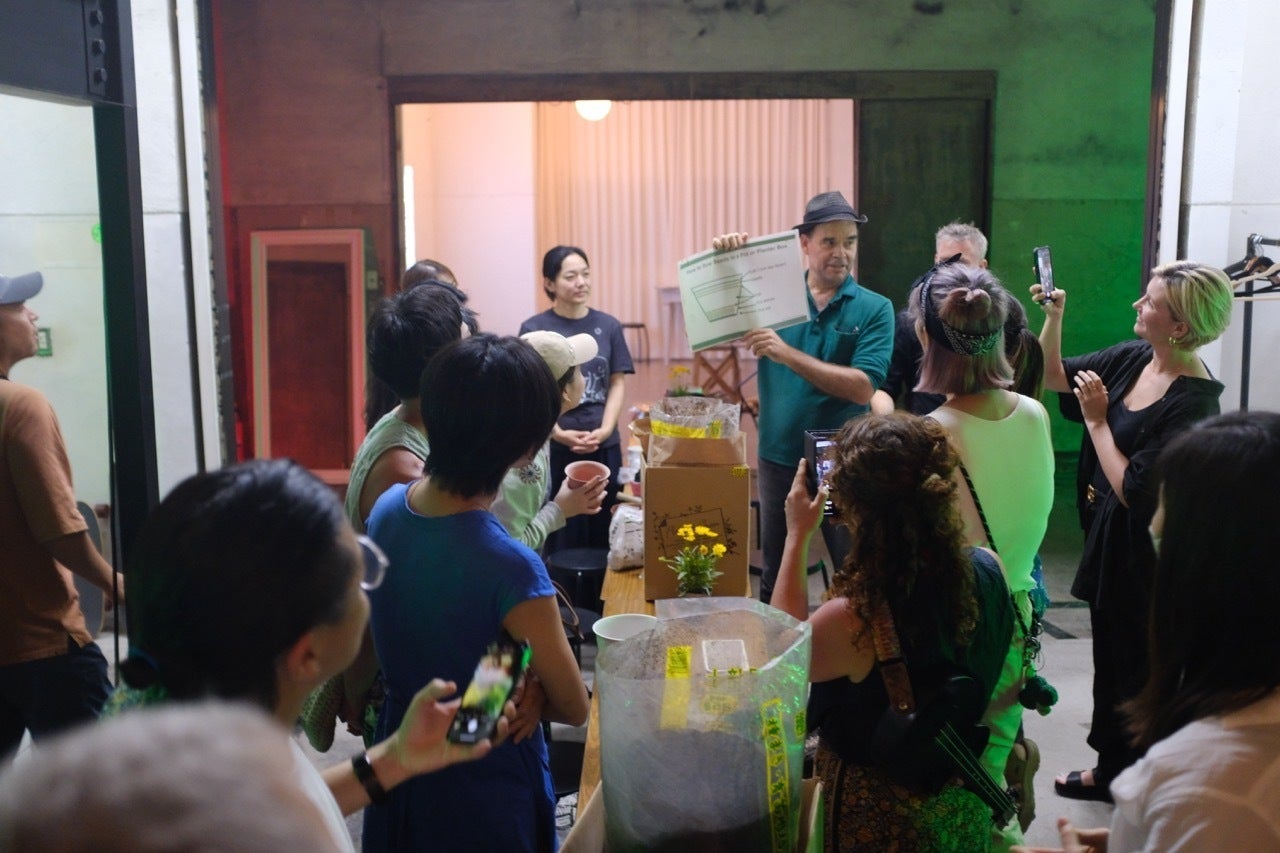
今後の学びと実践の場として活用していくためのワークショップ
運営主体について
the MiLLは、東京を拠点とする再生型ブランディング/映像会社 imageMILL株式会社 によって企画・運営されています。
20年以上にわたり、国内外の企業とともにサステナビリティ戦略、循環型デザイン、環境コミュニケーションに携わってきました。
活動を続ける中で生まれた問いがあります。
再生型の思想を、発信だけでなく「体験」にできないだろうか。
情報が溢れる時代に、本当に必要なのは、共有体験、素材への関与、土地との接続です。
the MiLLは、その思想を物理空間として実装する試みです。
私たちはこのプロセスを最初から記録し、異なるかたちで再建するとはどういうことかを示しています。
進行の様子はこちら:
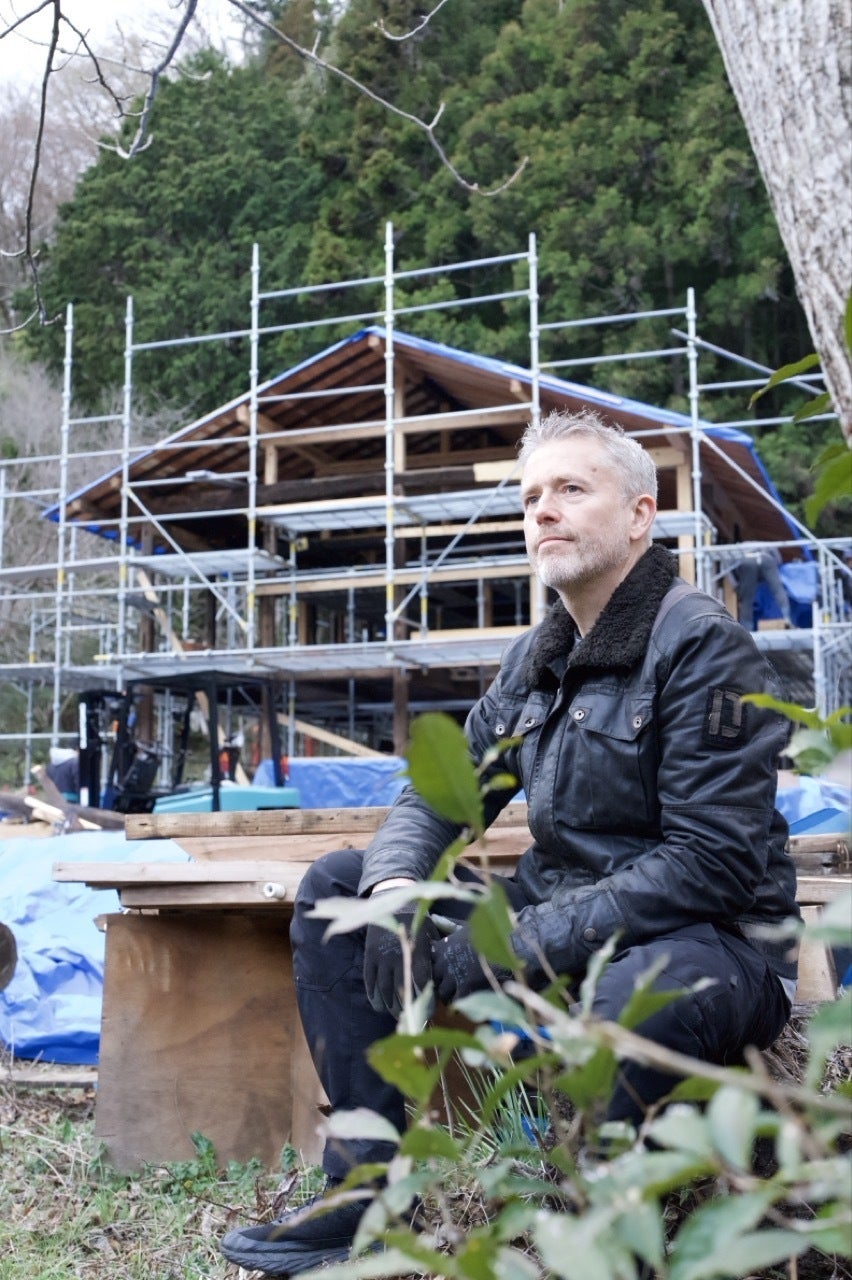
創設者: リック・グレハン
リック・グレハンは、東京を拠点とするブランディング/映像スタジオ imageMILL の創設者。20年以上にわたり、国内外の企業とともにサステナビリティ、循環型デザイン、環境コミュニケーションに携わってきました。
その活動を通じて、「再生型の思想を発信にとどめず、実際の体験として実装できないか」という問いに至ります。
〈THE MILL〉はその実践として、藤野にある築120年の養蚕農家を再生し、伝統的な知恵と土地に根ざした実践、そして現代的な思考を統合する学びの場として構築されています。
本プロジェクトでは、建築家や職人、地域の協働者とともに、全体の構想と実装を主導しています。
地域との協働
本プロジェクトは、
・地域の大工・伝統建築職人・農業関係者・里山コミュニティ・素材や工芸の担い手
との協働により進められています。
外から理想を持ち込むのではなく、藤野の文化と生態系の文脈の中で共に進化することを目指しています。

設計監修・建築家紹介: 大沢 匠
1977年に「おおさわ設計室」を設立した、日本を代表する一級建築士。日本大学理工学部建築学科を卒業後、日本の伝統と現代の暮らしが調和する住空間を長年にわたり追求してきました。
建築家としての活動に留まらず、千葉大学や城西国際大学での講師として後進の育成に尽力。1998年から2008年にかけては、NPO法人 日本民家再生協会(JMRA)傘下の「民家学校」の校長を務め、日本の古民家保護と再生の先駆者として多大な貢献を果たしてきました。
その卓越した設計哲学は、米ブルームバーグ(Bloomberg)をはじめ、国内外のメディアでも高く評価されています。
〈the MiLL〉において、大沢氏は天然素材への深い造詣と、伝統技術への敬意、そして洗練されたデザイン力を結集。150年の歴史を持つ古民家とその周囲の景観に、新たな息吹を吹き込みます。
宮大工紹介: 近藤 優
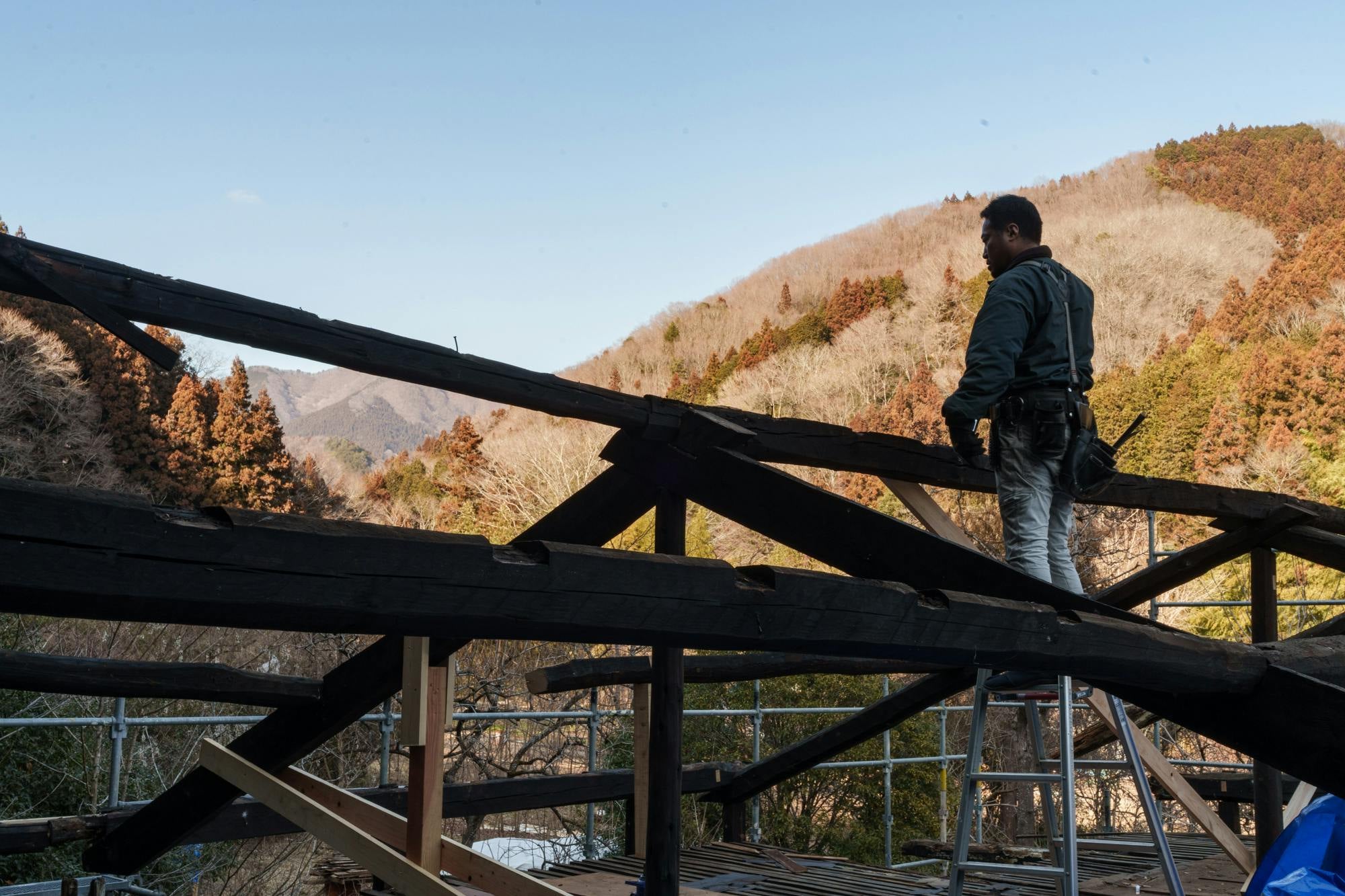
山梨県を拠点に活動する宮大工。釘を使わず木を組み上げる伝統工法を継承し、数百年先を見据えた木造建築の技術を現代に繋いでいます。
手鍛造の鑿(のみ)や鉋(かんな)といった古来の道具を使いこなし、素材の性質を最大限に引き出す「木との対話」を重んじています。焼杉(伝統的な防腐技法)をはじめとする古来の知恵と、現代の感性を融合させた彼の仕事は、単なる建築の枠を超え、日本の精神性と規律を体現しています。
〈the MiLL〉の再生においては、伝統的な構造の修繕から繊細なディテールに至るまで、その卓越した技術と情熱を注ぎ込み、建物の新たな命を吹き込みます。
現在の進捗状況
すでに構想・設計段階は完了しています。
修復・整備済み:
建物調査および構造診断
伝統工法による基礎の修復・据え直し
木組みの修理および補強
屋根の修復(ほぼ完了)
地域連携体制の確立
現在は、壁の左官工事・内装・設備導入、および始動に向けた最終調整の段階に入っています。
ご支援の使途
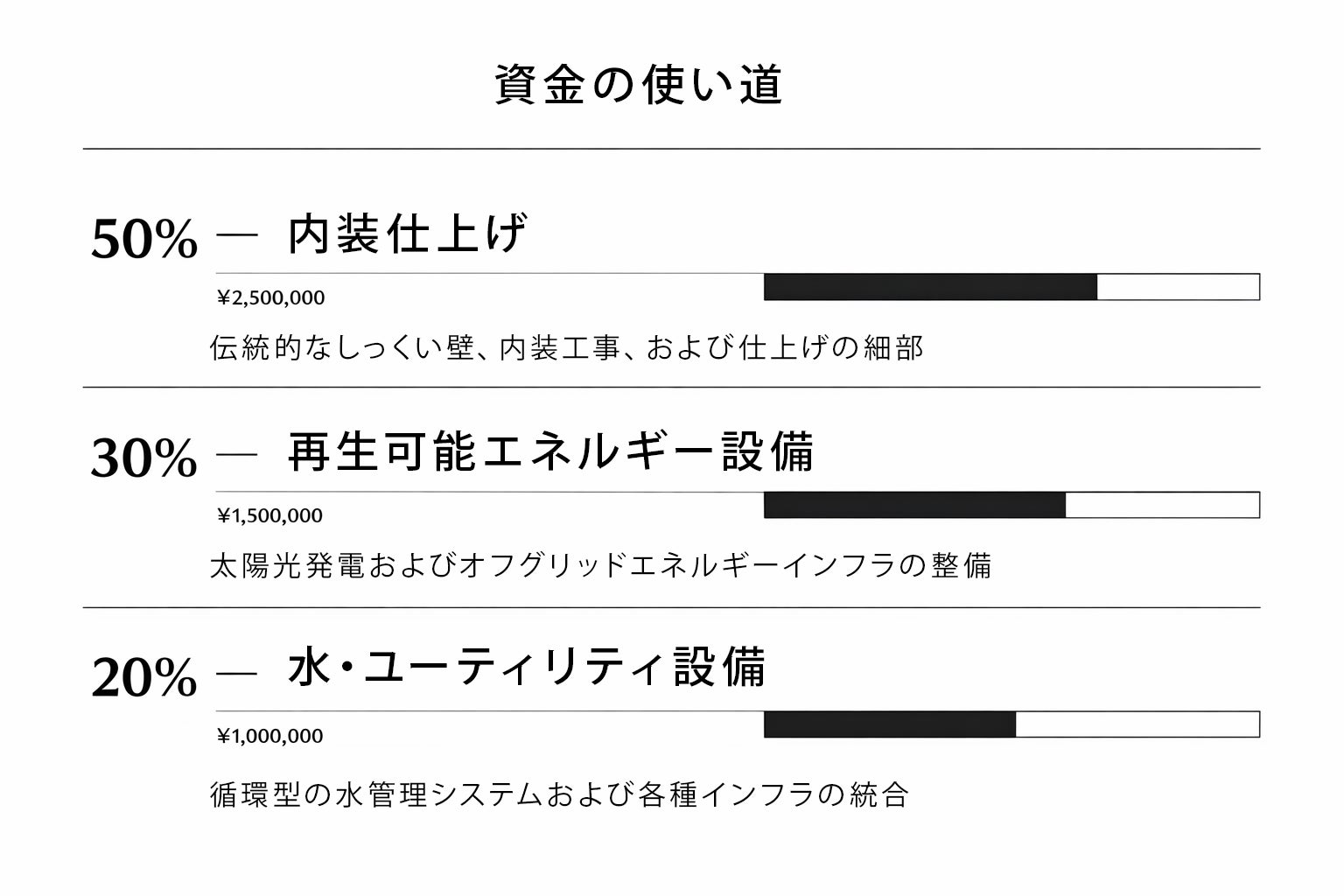
目標金額500万円は、修復した建物を「実践の場」として機能させるための最終施工フェーズに充てられます。
- 左官工事・内装仕上げ — 50%(250万円) 伝統的な漆喰壁の施工、内装の仕上げ、細部の造作。築150年の建物に、いよいよ命が吹き込まれる工程です。
- 再生可能エネルギー設備 — 30%(150万円) 太陽光発電およびオフグリッド電力インフラの導入。伝統建築と再生型テクノロジーの共存を、この場所で実証します。
- 水・設備インフラ — 20%(100万円) 循環型水管理と設備統合。中央集約型インフラへの依存を減らし、自立した拠点を目指します。
the MiLLの修復は、数年にわたる大規模なプロジェクトです。このキャンペーンはスタートではありません。ゴールへの、最後の一押しです。
the MiLLが目指す姿
the MiLLは、以下の機能を持つプラットフォームとして始動します。
- 再生型サステナブル・ビジネスの実践的ラーニング拠点
- 伝統建築と手仕事(クラフト)のワークショップ空間
- 里山リサーチラボ
- 循環型暮らしの実証フィールド
- 創造的実践者が集う場
※初期段階では宿泊は行わず、日帰り型プログラムから開始します。

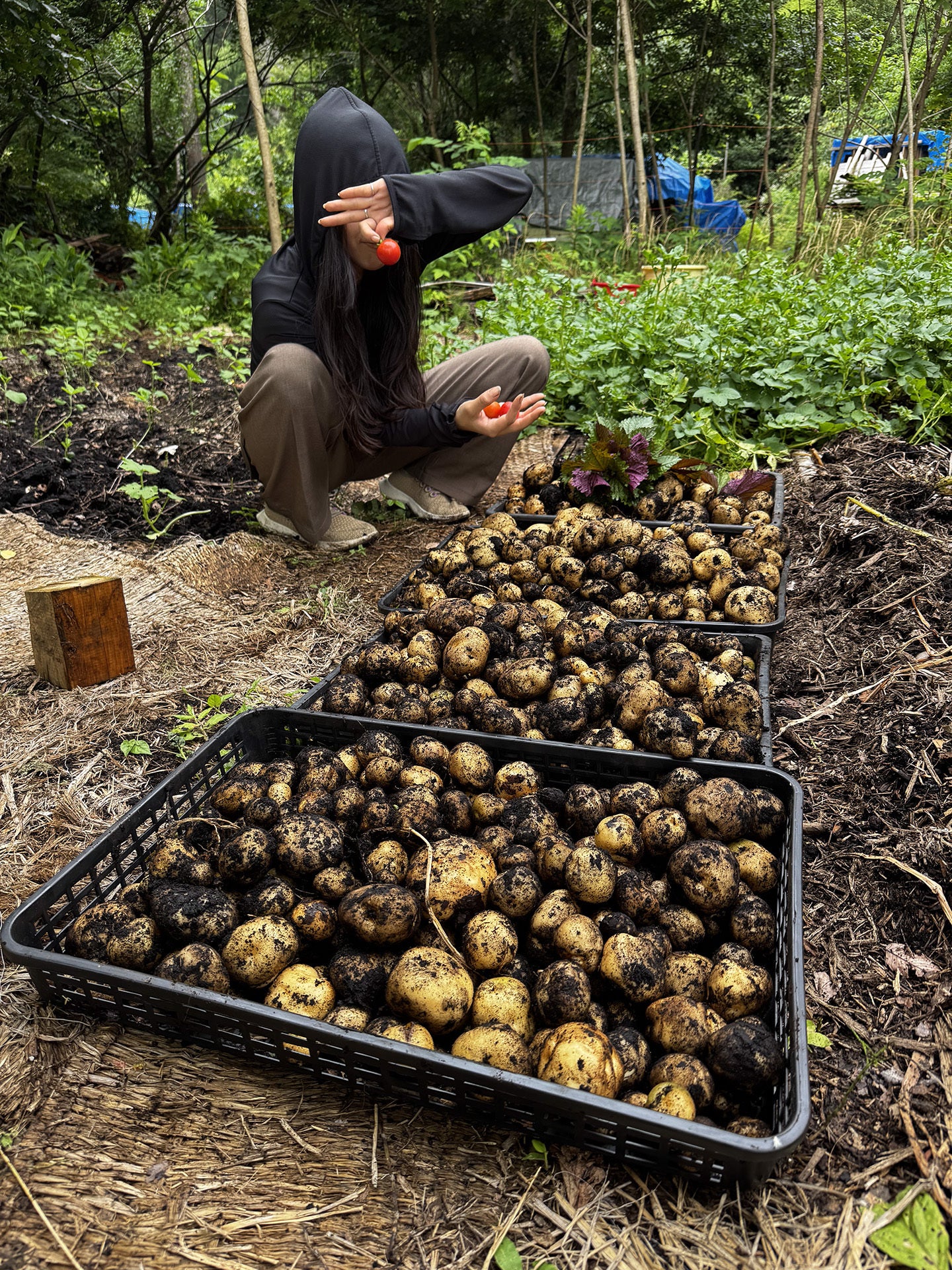
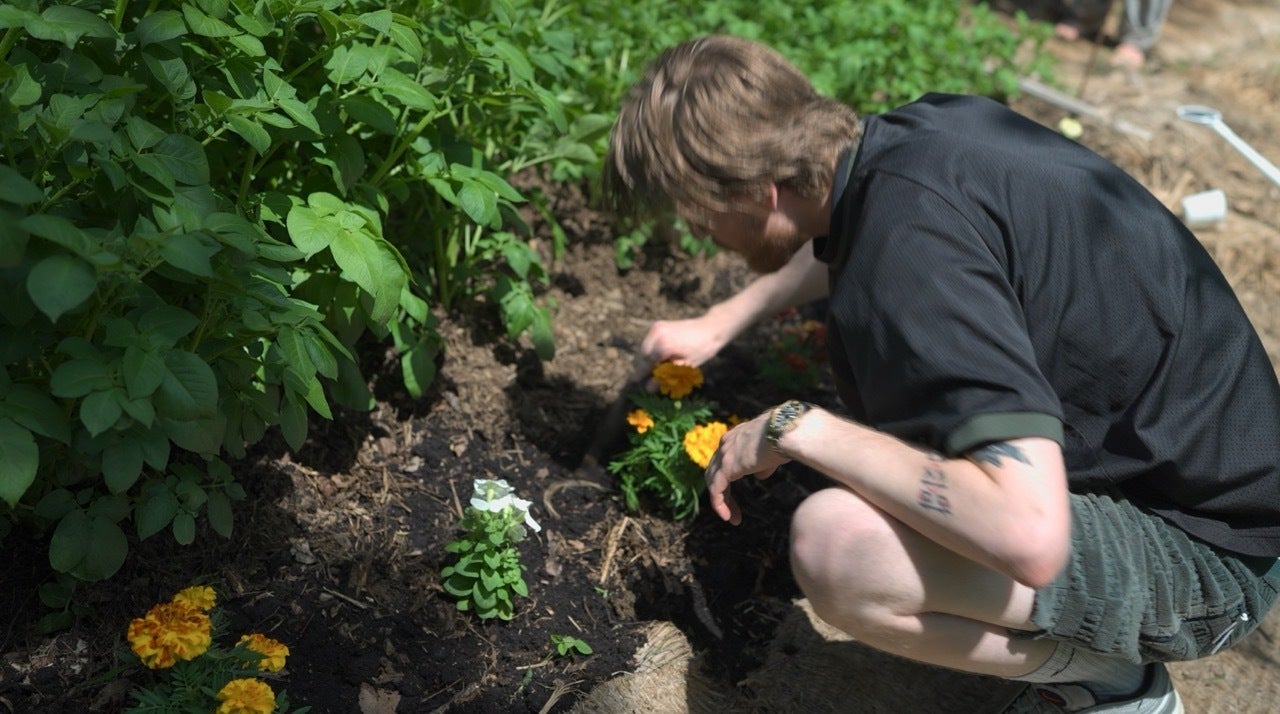
 家の先にある、生きている風景
伝統的な日本の農と再生的デザインの統合
再生型インフラの実装
建物の修復は始まりにすぎません。
今後、段階的に以下を統合します。
・再生可能エネルギー・水の循環管理・廃棄物・養分循環・低環境負荷素材の活用・中央集約型インフラへの依存軽減
技術導入そのものが目的ではありません。伝統建築と再生思想がどのように共存できるかを示すことが目的です。
 設計は現在進行中 — 変更の可能性がありますご支援の意味
the MiLLは短期的な開発事業ではありません。
文化的継続性、経済的持続性、生態的責任を同時に成立させる場所づくりの実験です。
持続可能性は理念だけでは続きません。持続可能な事業構造が必要です。
ご支援は単なる資金提供ではなく、創設コミュニティへの参加です。
この場所をともに育てる最初の輪に、ぜひ加わってください。
フォローしてください - INSTAGRAM FACEBOOK YOUTUBE
Project Overview
This project restores a 120-year-old silk-farming farmhouse in Fujino, Kanagawa, transforming it into the MiLL, a regenerative learning hub that integrates traditional architecture with circular living.
Why We Choose Restoration
Nestled in the mountains of Fujino stands a farmhouse with 120 years of history. Over the past year, we have painstakingly reset its foundations and repaired its timber frame using traditional joinery methods. Today, more than 90% of the structure stands tall once again.
Choosing to restore a 120-year-old building is never the easy path. In the modern era, traditional restoration can often be more costly than building anew. Material prices are rising, and the number of master craftsmen is dwindling every year.
Yet, we chose restoration over demolition.
This is not out of mere nostalgia. We believe that true "regeneration" lies in honoring existing structures and evolving them for the future.
With July marking a pivotal milestone for completion and launch, this campaign supports the final phase of work: the uncompromising integration of traditional techniques with regenerative infrastructure.
the MiLL is now in its final stage of construction. This is the beginning of our "Founding Season," where physical restoration transforms into a living space for practice.
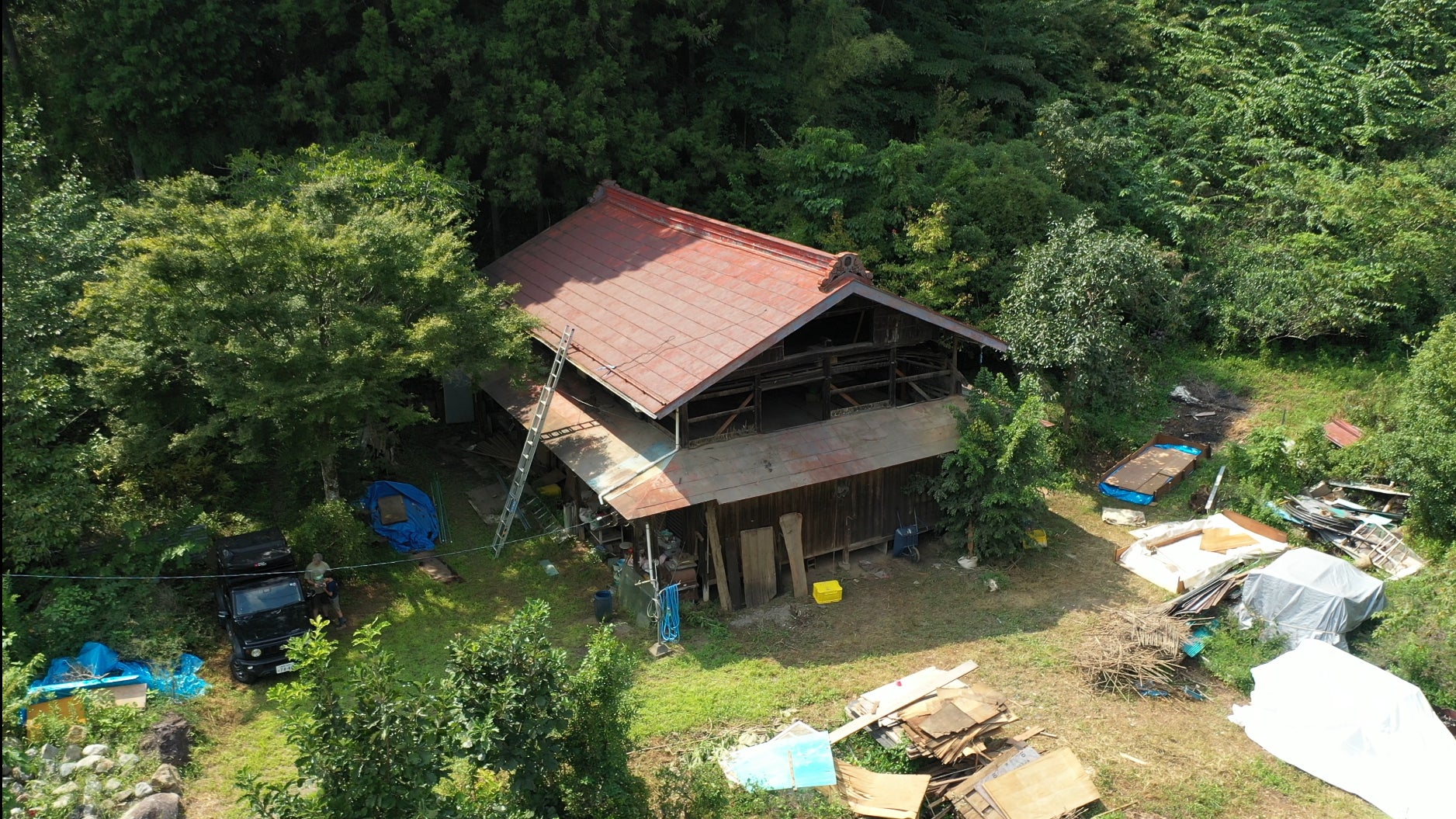
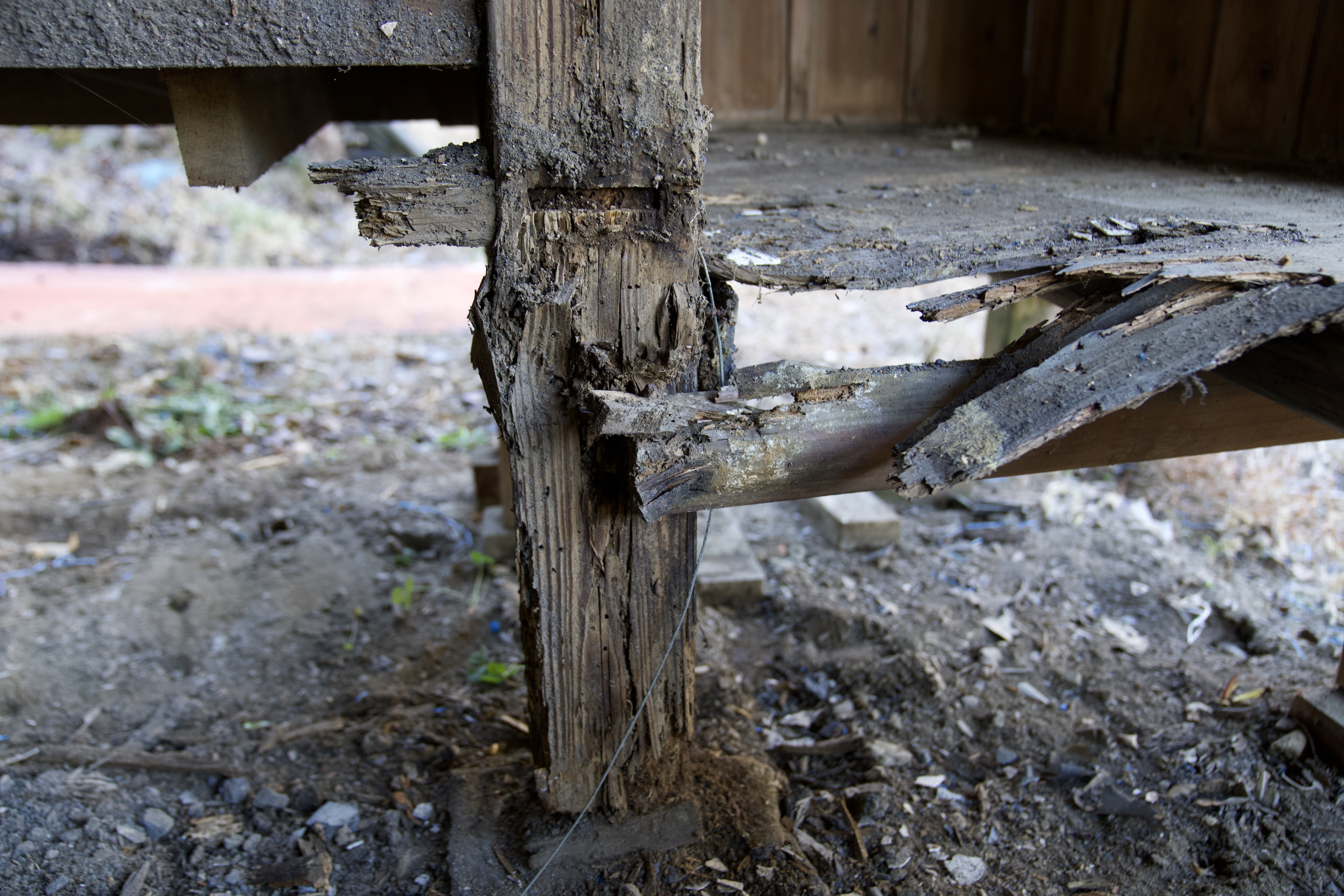
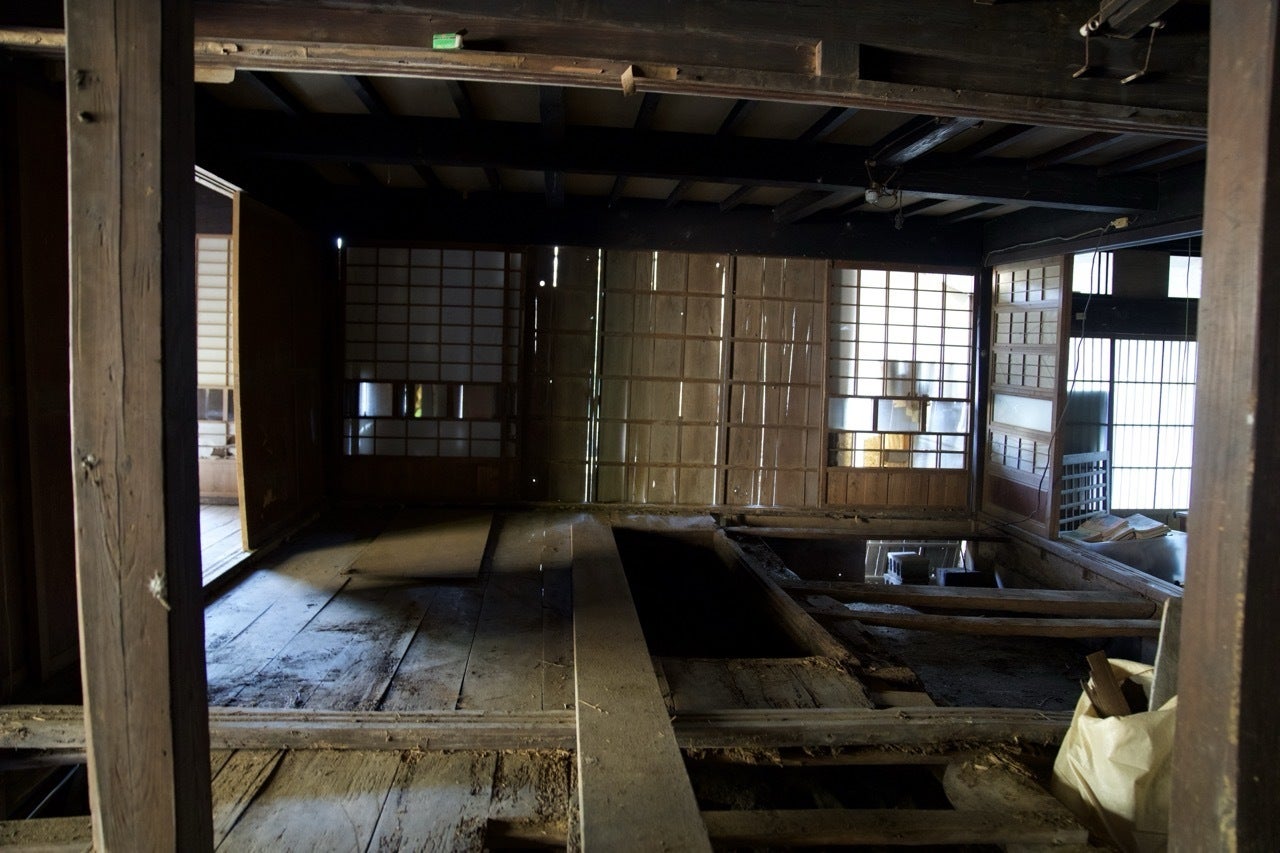
This is what the building looked like originally. However, we hadn’t planned on tearing it down.
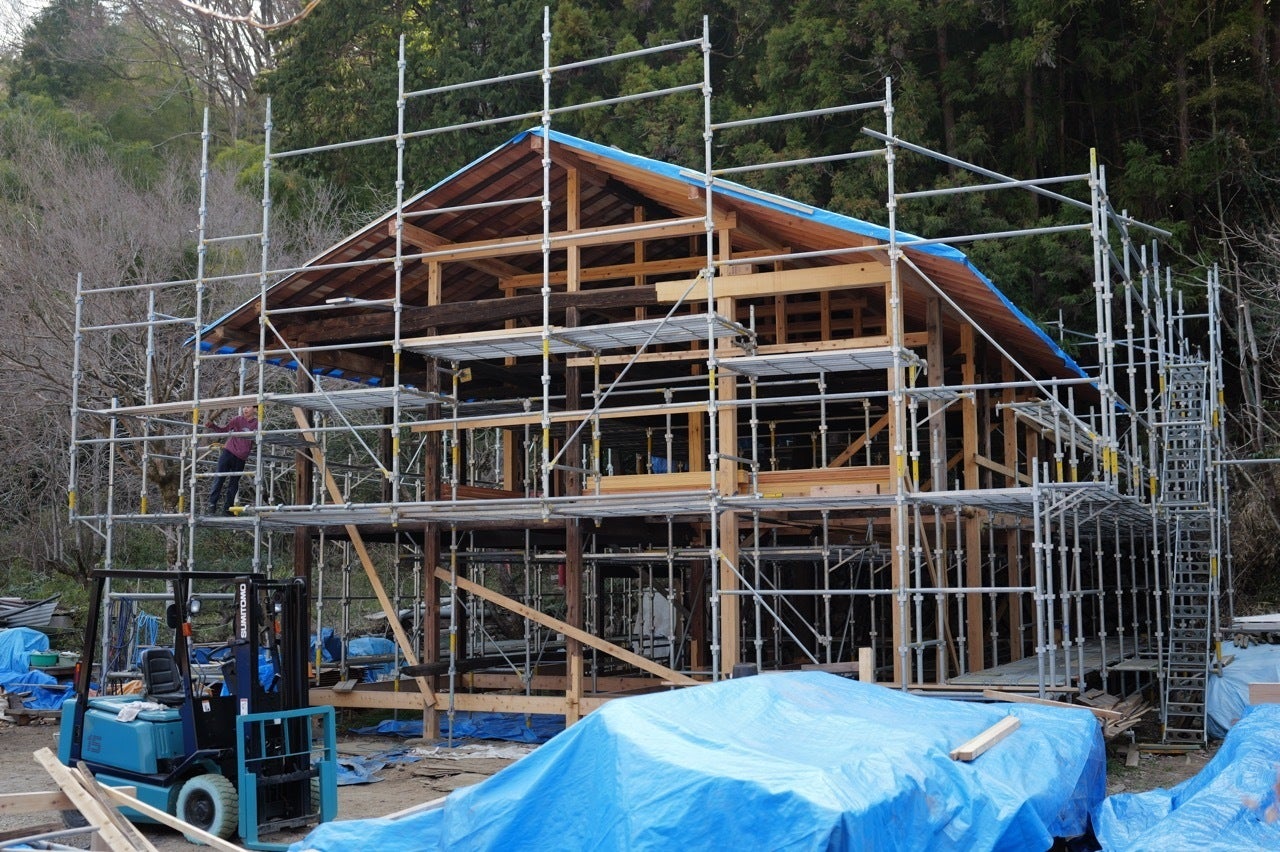
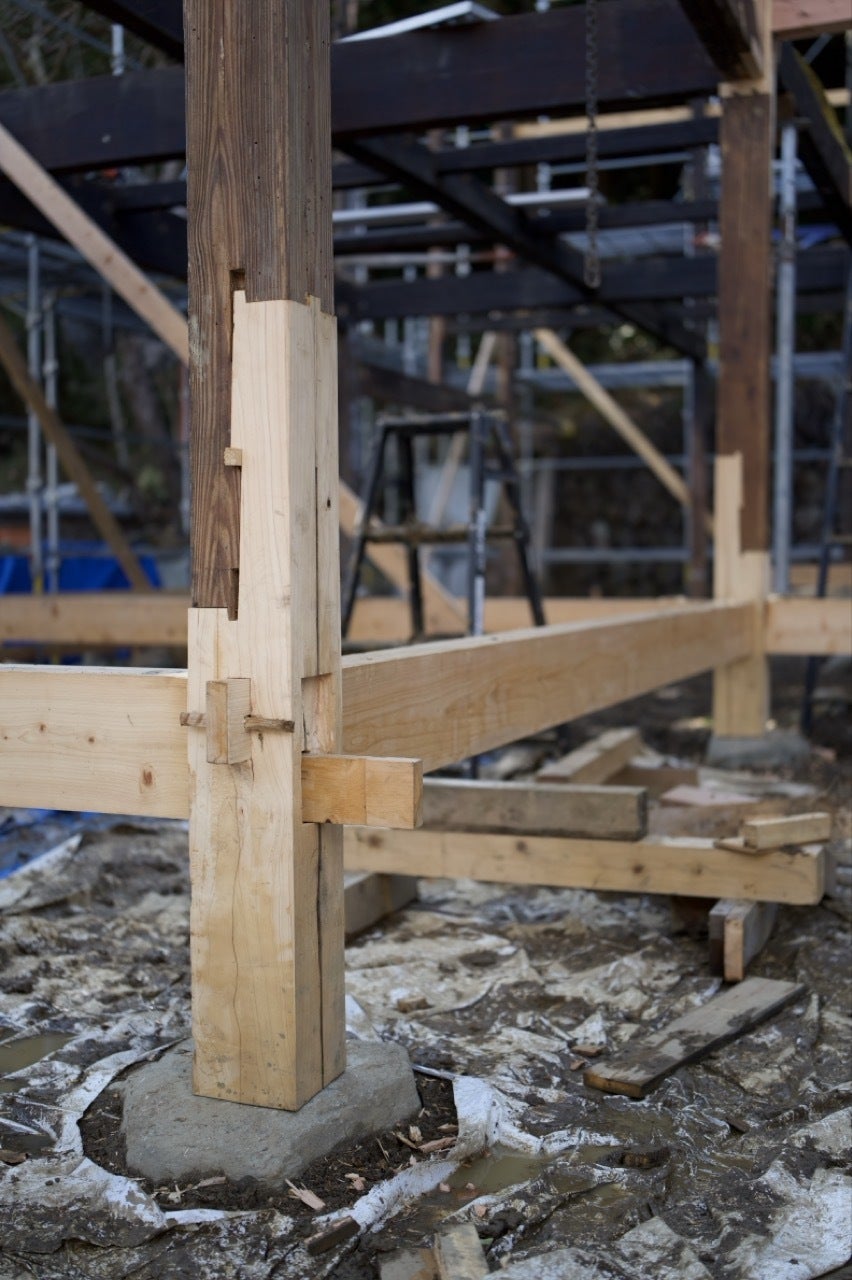
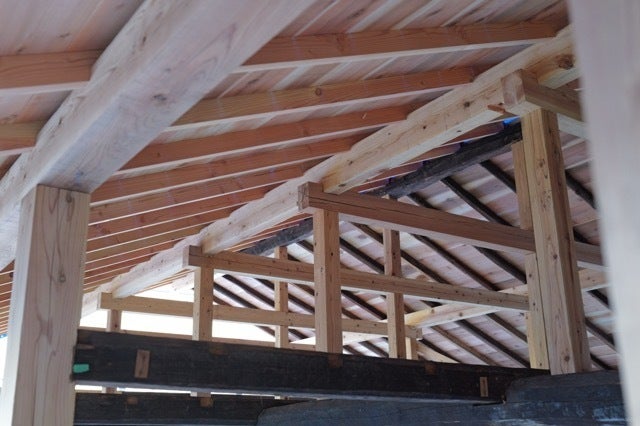
Our goal is to preserve the original structure as much as possible through restoration work.
Why We Started This Project
Fujino once thrived on industries rooted in the circular rhythms of the satoyama landscape, sericulture (silk farming), tea production, and charcoal making.
However, rapid post-war industrialization led to the decline of local industry and a shrinking population. Many kominka (traditional folk houses) were demolished or abandoned, and with them, centuries of ancestral skill and wisdom began to quietly vanish. Meanwhile, modern urban life has become increasingly disconnected from the land, its materials, and the natural cycles of growth and decay.
THE MILL is our attempt to bridge this divide. It is a dual challenge:
To protect traditional architecture and the master craftsmanship behind it.
To evolve these heritage structures into a model for regenerative and circular living.
Regenerative Learning: Guided by Tea and the Seasons
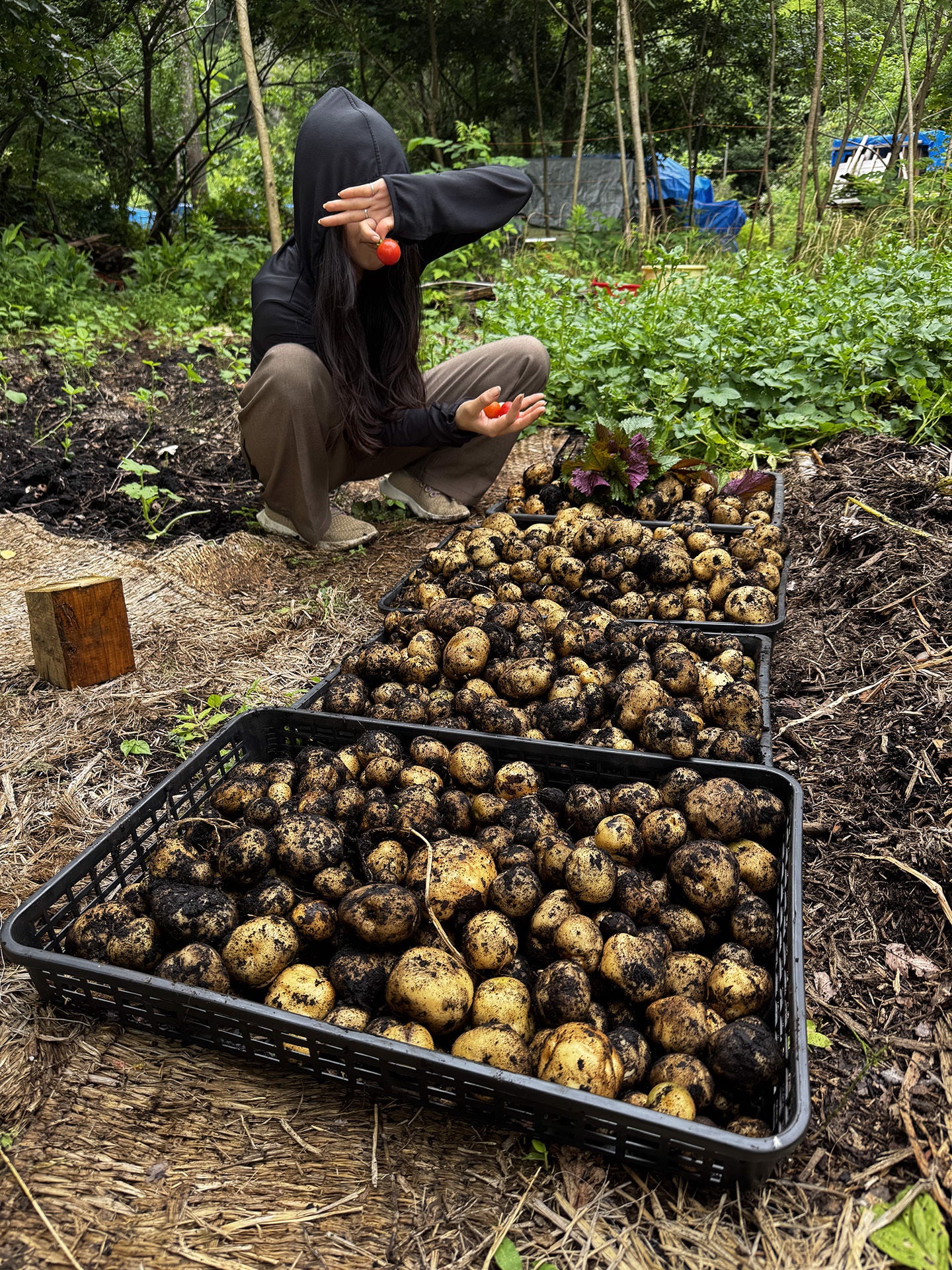
The estate is home to a tea grove that has been rooted in this soil for generations. We are transforming this space into more than just a place for "experiences", it will become a production hub for high-quality organic tea, reviving the nearly lost traditional art of temomi (hand-rolling).
The meticulous process of plucking, observing the seasons, and processing by hand teaches us patience, mindfulness, and a profound respect for nature. Moving forward, we will offer harvest and processing programs alongside the development of signature tea products that encapsulate the memory of this land. Our goal is to share a "circular aesthetic" that resonates with the restoration of the house itself.
 A workshop restoring the MiLL tea grove, left untended for nearly two decades and now being brought back into use for future learning and practice.
About the Organization
the MiLL is planned and operated by imageMILL, a Tokyo-based regenerative branding and creative agency. For over 20 years, we have partnered with domestic and international organizations on sustainability strategy, circular design, and environmental communication.
Through this work, a vital question emerged: Can regenerative philosophy be more than a message? Can it be a tangible experience?
In an age of information overload, what we truly need is shared experience, direct engagement with materials, and a physical connection to the land. the MiLL is the realization of that philosophy in physical form.
We’ve documented the process from the beginning, showing what it actually takes to rebuild differently.
You can follow the progress here
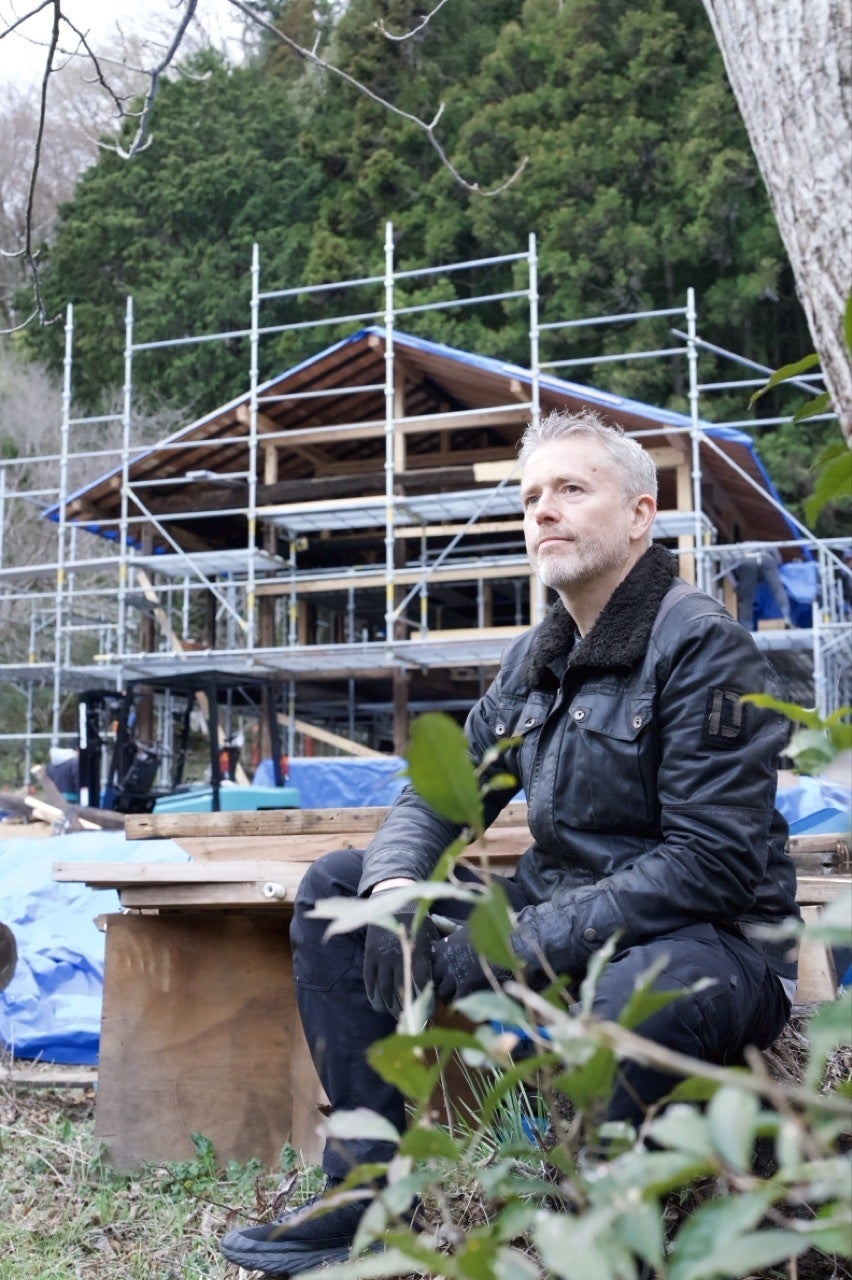
Founder : Rick Grehan
Rick Grehan is the founder of imageMILL, a Tokyo-based brand and storytelling studio with over 20 years of experience working with global companies on sustainability, circular design, and environmental communication.
Through this work, a central question emerged: how can regenerative ideas move beyond communication into lived, physical experience?
THE MILL is his response — the restoration of a 120-year-old silk farm in Fujino into a regenerative learning environment that brings together traditional knowledge, land-based practice, and contemporary thinking.
He leads the overall vision and development of the project, working closely with architects, craftsmen, and local collaborators to shape THE MILL as both a place and an ongoing experiment in regeneration.
Collaboration with the Community
This project is moving forward through deep collaboration with:
Local carpenters and traditional builders
Agricultural experts and the satoyama community
Stewards of local materials and traditional crafts
Our aim is not to impose an external ideal, but to evolve from within the cultural and ecological context of Fujino.
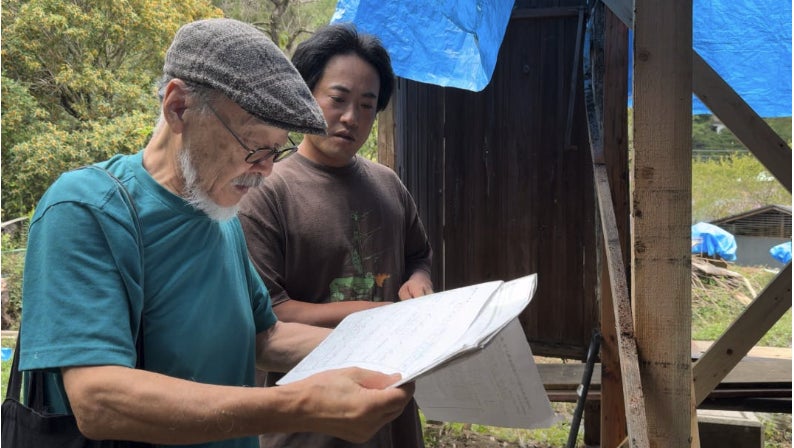
Lead Architect: Takumi Osawa
A renowned first-class architect and founder of O Design Office (est. 1977), Takumi Osawa is a graduate of Nihon University’s College of Science and Technology. He has spent his career creating residential spaces that honor tradition while embracing contemporary living.
Beyond his practice, Mr. Osawa has shaped the next generation of designers as a lecturer at Chiba and Josai International Universities. From 1998 to 2008, he served as the principal of the "Folk House School" under the NPO Japan Minka Reuse and Recycle Association (JMRA), acting as a pioneer in the preservation and revitalization of Japan’s historic kominka. His philosophy has been recognized in international publications, including Bloomberg. At THE MILL, he brings a lifetime of expertise in natural materials and sensitive design to harmonize the historic structure with its surrounding landscape.
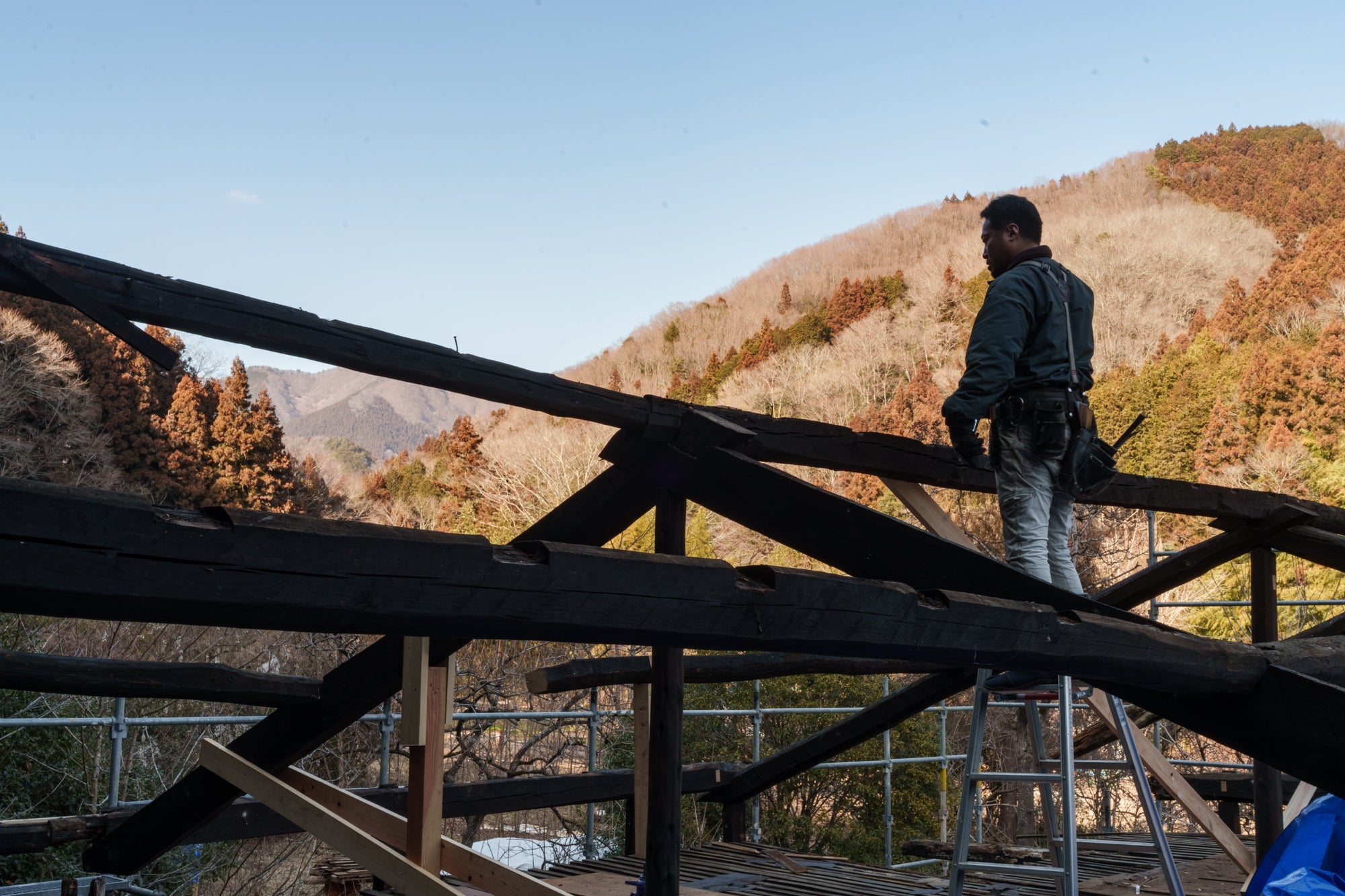
Miya-daiku (Master Carpenter): Suguru Kondo
Based in Yamanashi, Suguru Kondo is a dedicated miya-daiku—a master of traditional shrine and temple carpentry. He carries forward centuries-old techniques of wood construction and joinery, ensuring that timber-frame wisdom is preserved for hundreds of years into the future.
Kondo-san works with time-honored tools, from hand-forged chisels to manual planes, grounding his practice in a "dialogue with wood" to bring out the maximum potential of the material. By blending ancient knowledge—such as yakisugi (fire-preserved wood)—with a modern aesthetic, his work transcends simple construction to embody Japanese spirituality and discipline. At the MiLL, he pours his expertise and passion into every detail, from structural restoration to delicate finishing, breathing new life into the historic farmhouse.
Current Progress
The conceptual and structural stabilization phases are complete. Completed Milestones:
Full building and structural diagnostics
Foundation repairusing traditional methods
Timber frame restoration and structural reinforcement
Reconstruction of the main structure
Roof repair almost completed
Establishment of a local collaborative network
We are currently in the final phase, focusing on wall finishes, interior work, utility integration, and operational launch preparations.
Where Your Support Goes
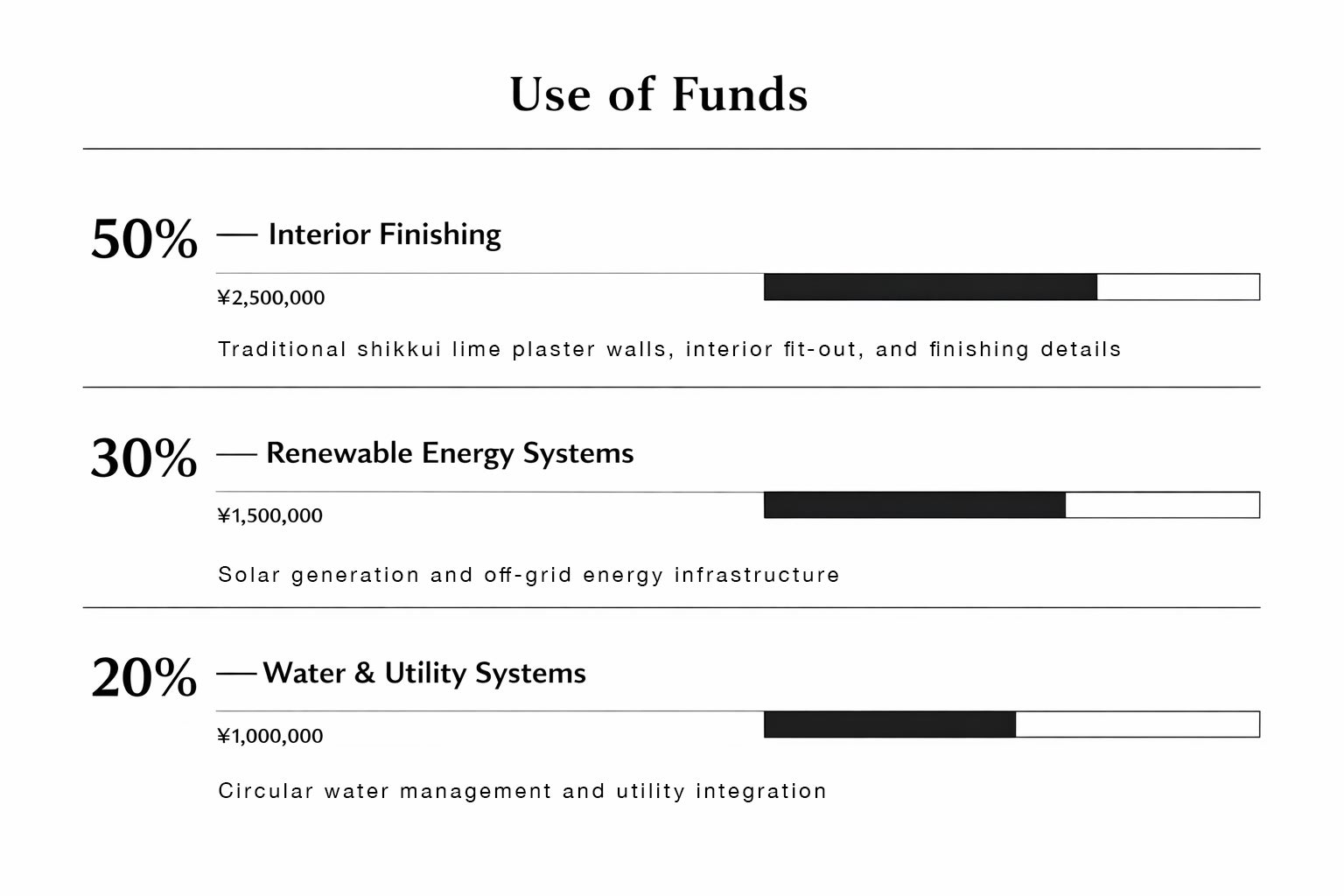
The ¥5,000,000 target covers the final phase of construction, the work that transforms a restored structure into a living, functioning space.
- Wall plastering & interior finishing, 50% (¥2,500,000) Traditional shikkui lime plaster walls, interior fit-out, and finishing details that bring the 150-year-old structure fully to life.
- Renewable energy systems, 30% (¥1,500,000) Solar generation and off-grid energy infrastructure, demonstrating how traditional architecture and regenerative technology can coexist.
- Water & utility infrastructure, 20% (¥1,000,000) Circular water management and utility integration to reduce dependency on centralized systems.
The overall restoration has been a multi-year, multi-million yen undertaking. This campaign is not the beginning, it is the final push to the finish line.
The Vision for the MiLL
THE MiLL is designed to function as:
A Regenerative Sustainable business practices Learning Hub
A Workshop Space for traditional architecture and craft
A Satoyama Research Lab
A Demonstration Field for circular living
A Gathering Place for creative practitioners
Note: In its initial phase, the MiLL will focus on day-use programs and workshops; overnight accommodations are not available at launch.
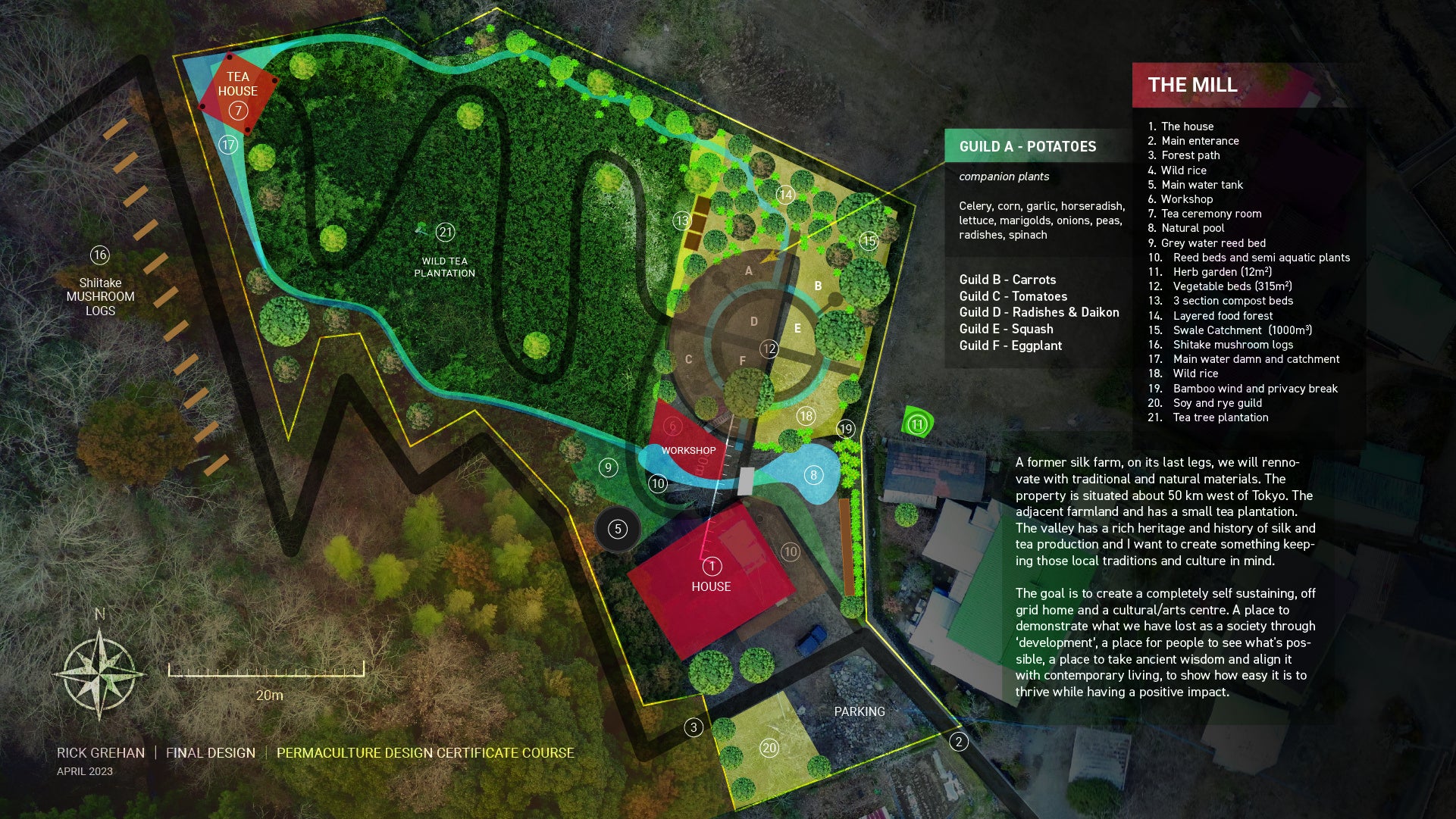
Beyond the House: A Living Landscape
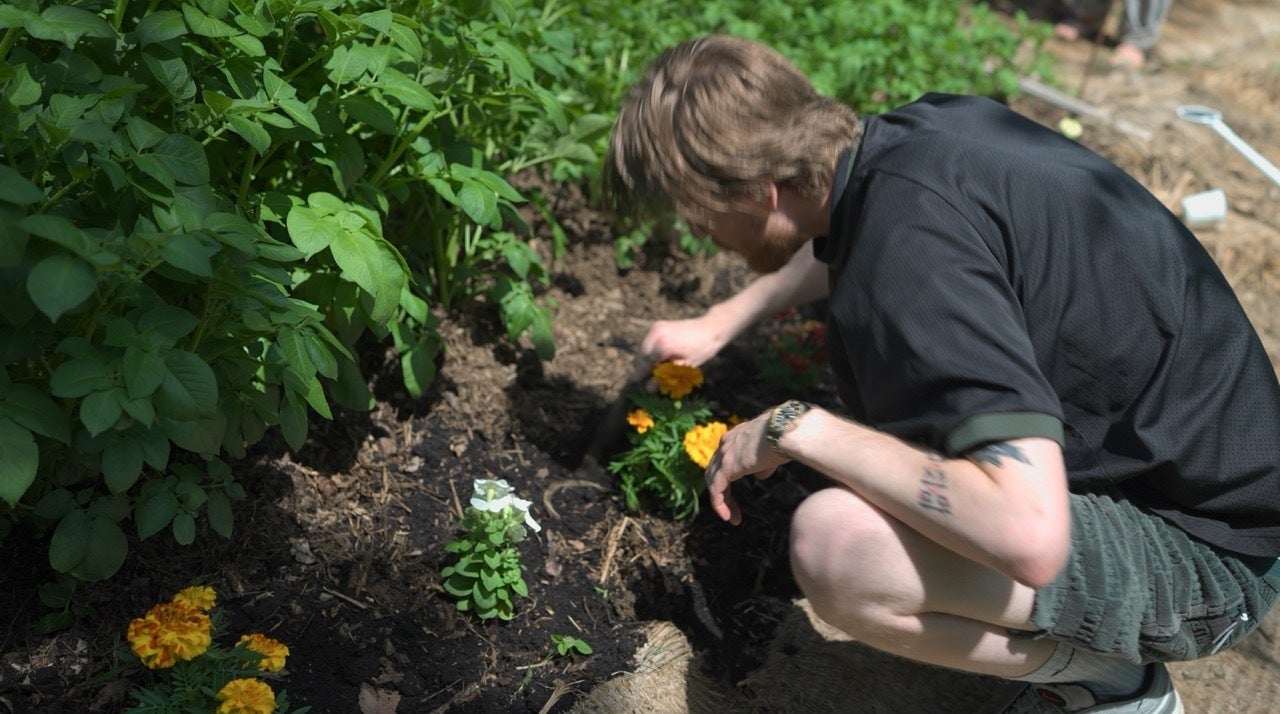
Integrating traditional Japanese farming and regenerative design
Implementing Regenerative Infrastructure
Restoring the building is only the beginning. Moving forward, we will progressively integrate systems that close the loop on resource use:
Renewable Energy
Circular Water Management
Waste and Nutrient Cycling
Low-Impact Natural Materials
Reduction of Dependency on Centralized Utilities
Our goal is not the mere adoption of technology. It is to demonstrate how traditional architecture and regenerative philosophy can coexist and thrive together.
 Design in Progress — Subject to Change
The Meaning of Your Support
the MiLL is not a short-term development project. It is an experiment in place-making that simultaneously achieves cultural continuity, economic sustainability, and ecological responsibility.
Sustainability cannot survive on ideals alone; it requires a resilient and sustainable business structure. Your support is more than a financial contribution, it is an invitation to join our founding community.
We invite you to become part of the first circle of people who will help nurture and grow this place together.






コメント
もっと見る