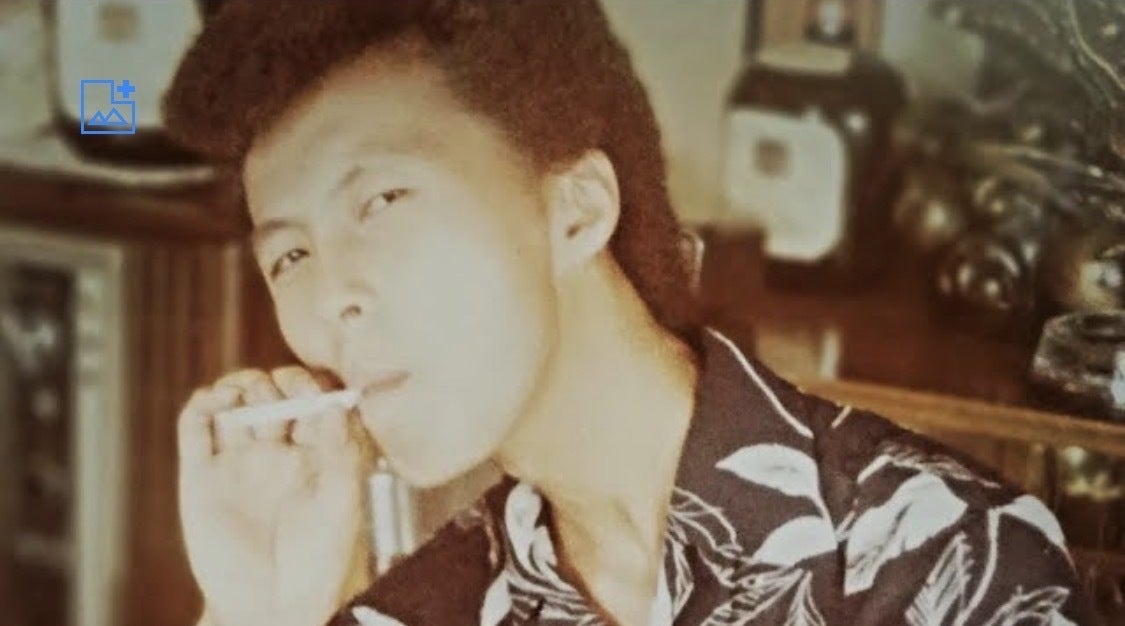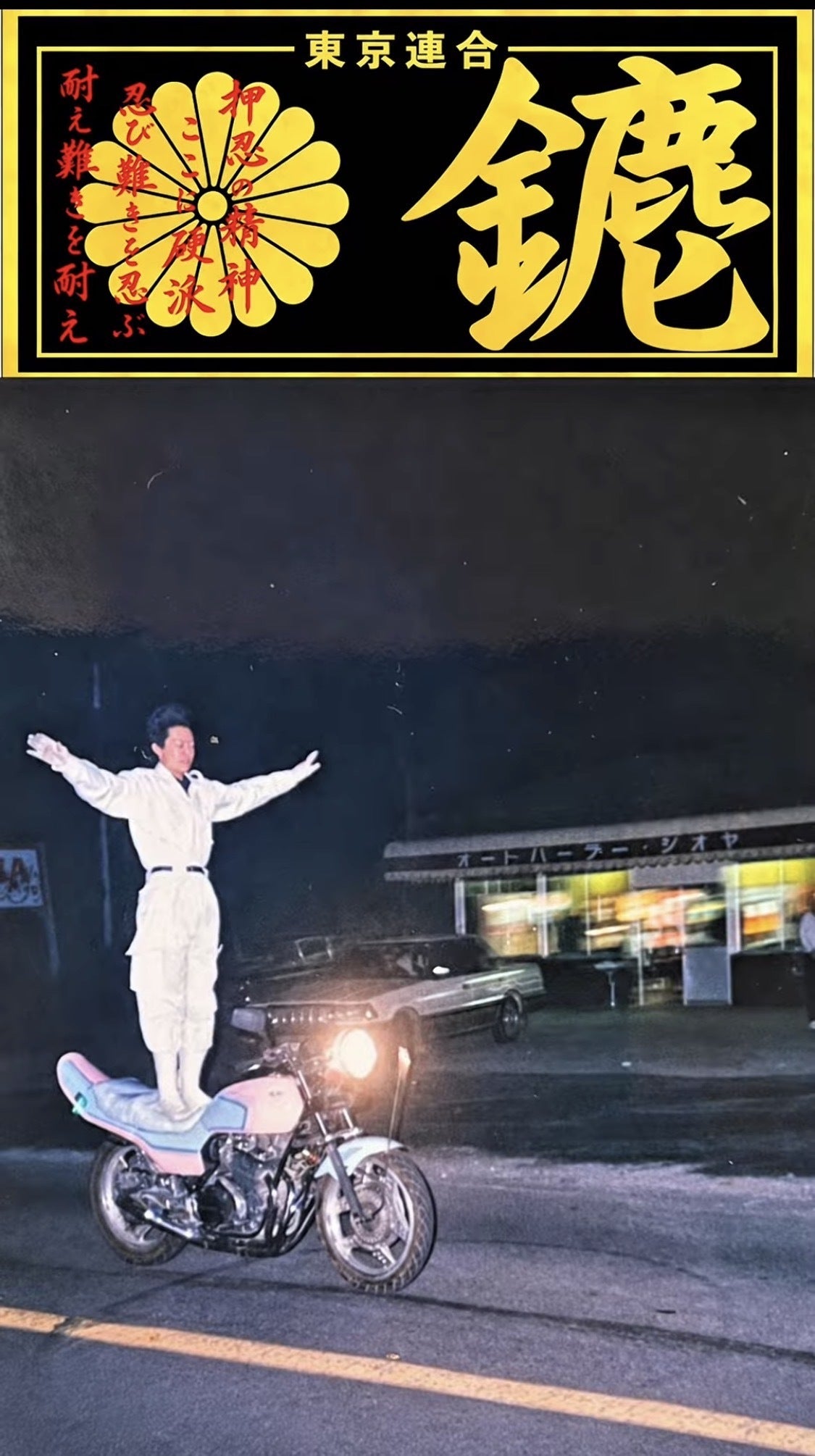
【日本語】1980年代の千葉県成田市地域の暴走族仕様に、私は強く興味を持っています。当時は今のように何でも簡単に手に入る時代ではなく、外装パーツも既製品をカットして自分達でパテ埋めをしたり、シートのあんこ抜きも純正シートカバーを剥がし、削る箇所を書き出してカッターなどで形を整え、その後チンチラシートへ張り替えるなど、ほとんどを自分達の手で作り上げていたと伺っております。さらに、チンチラの汚れ防止と仕上がりを良くするため、ビニール素材も自分達で用意し、熱を加えながら伸ばし、シワが寄らないよう張って仕上げていたとのこと。塗装についても、初期は当時の最新色を取り入れながら、自分達でマスキングをしてラインを引き、缶スプレーで全塗装していたそうです。カッティングシートも、現在のように業者へ簡単に依頼するのではなく、自分達でデザインし、ハサミやカッターを使って複数色のシートを重ね、色分けしながら仕上げていたと伺い、本当に驚きました。今は同じような商品を簡単に手に入れられる時代ですが、当時は「無ければ自分達で作る」という感覚そのものが、一台一台の個性になっていたのだと思います。中鉢竜一様はHONDA党で、CBX400FやCBR400Fを愛車として所有されていたとのこと。動画を止めて見ていただきたいのが、CBX400Fのサイドカバーからシートテールへ繋がるラインの美しさです。さらに、純正CBX400Fのテールをカットし、Z2テールと組み合わせ、パテ埋めしながら独自の形へ仕上げた部分にも注目していただきたいです。当時はお金が無く、自分達でやるしかなかったという背景があったとしても、その仕上がりは私達の世代から見ると、まさに本物の「当時仕様」だと感じます。1980年代、東京連合【成田・䥝】様をはじめとする成田市地域には、北関東を含めた周辺地域とも繋がりながら、独自の暴走族文化と車輌文化が確かに存在していたのだと、今回改めて感じました。【English】I am deeply fascinated by the bosozoku motorcycle style that developed around Narita, Chiba during the 1980s.At that time, custom parts were not as easy to obtain as they are today. Riders often cut existing body parts, reshaped them with body filler, and built many details by hand.Seats were also modified at home. The original cover was removed, the foam was marked and carefully cut into shape, then re-covered with chinchilla-style fabric.To protect the fabric and improve the finish, clear vinyl was stretched by hand with heat so that it remained tight and free of wrinkles.Painting was also largely DIY. Riders masked their own lines, selected the latest colors of the era, and repainted entire motorcycles using spray cans.Even decorative cutting sheets were designed and cut by hand using scissors and knives, with multiple colors layered together to create unique designs.Today, similar parts can easily be purchased, but back then the idea was simple: “If it doesn’t exist, make it yourself.”That spirit gave every motorcycle its own personality.Ryuichi Chubachi was especially fond of HONDA motorcycles and owned machines such as the CBX400F and CBR400F.One detail worth pausing the video to examine is the precise line running from the CBX400F side cover toward the seat and tail section.Another remarkable feature is the tail itself. The original CBX400F tail was cut and combined with a Z2-style tail, then reshaped with body filler into a unique form.Even if many of these modifications began because money was limited and riders had to do the work themselves, the final result represents what I consider a true period-correct 1980s custom.Through Tokyo Union 【Narita・䥝】 and the people connected to the Narita area, I have come to understand more clearly that a distinctive motorcycle and bosozoku culture truly existed there, connected with surrounding areas including northern Kanto.【繁體中文|台灣】我對1980年代千葉縣成田地區的暴走族摩托車改裝風格非常感興趣。當時不像現在,各種改裝零件都能輕易購買。許多外裝零件都是把現成品切割之後,再自行補土、重新塑形。座椅削薄也是自己動手完成。先拆下原廠椅套,標記需要削除的位置,再用刀具慢慢修整泡棉,最後重新包上絨毛材質。為了防止絨毛弄髒,也讓外觀看起來更完整,他們還會自行準備透明塑膠材質,一邊加熱一邊拉伸,盡量做到沒有皺褶。早期的塗裝也多半自己完成。他們會自行遮蔽、設計線條,使用當時流行的新色,再用噴漆罐完成整車塗裝。就連裝飾貼紙,也不是交給業者製作,而是自己設計,再用剪刀與美工刀切割多種顏色的貼紙,一層一層組合完成。現在想要類似的東西很容易買到,但在那個年代,「沒有就自己做」本身就是一種文化,也讓每一台車都有完全不同的個性。中鉢竜一先生特別喜愛HONDA,曾擁有CBX400F、CBR400F等摩托車。影片中很值得暫停仔細看的地方,是CBX400F從側蓋一路延伸到座椅尾部的線條,幾乎沒有明顯錯位。另外,原廠CBX400F尾殼經過切割,再與Z2尾殼組合,利用補土重新塑造成獨特造型,這也是非常值得注意的細節。即使當時也有「沒有太多錢,只能自己做」的背景,但以我們這一代人的眼光來看,那樣的完成度正是真正的「當時仕様」。透過東京連合【成田・䥝】以及當時成田地區相關人士留下的照片與故事,我也再次感受到,1980年代的成田確實存在著與北關東等周邊地區互相交流、同時又具有自己特色的暴走族文化與摩托車文化。#東京連合 #成田䥝 #中鉢竜一 #CBX400F #旧車 #暴走族文化 #大人BIKE #bosozoku