
 LINEで送る
注目のリターン

プロジェクトオーナーの手数料の負担は一切なく、支援者さまからのご協力費(12%+税)により運営しています。
このページをご覧いただき、誠にありがとうございます。
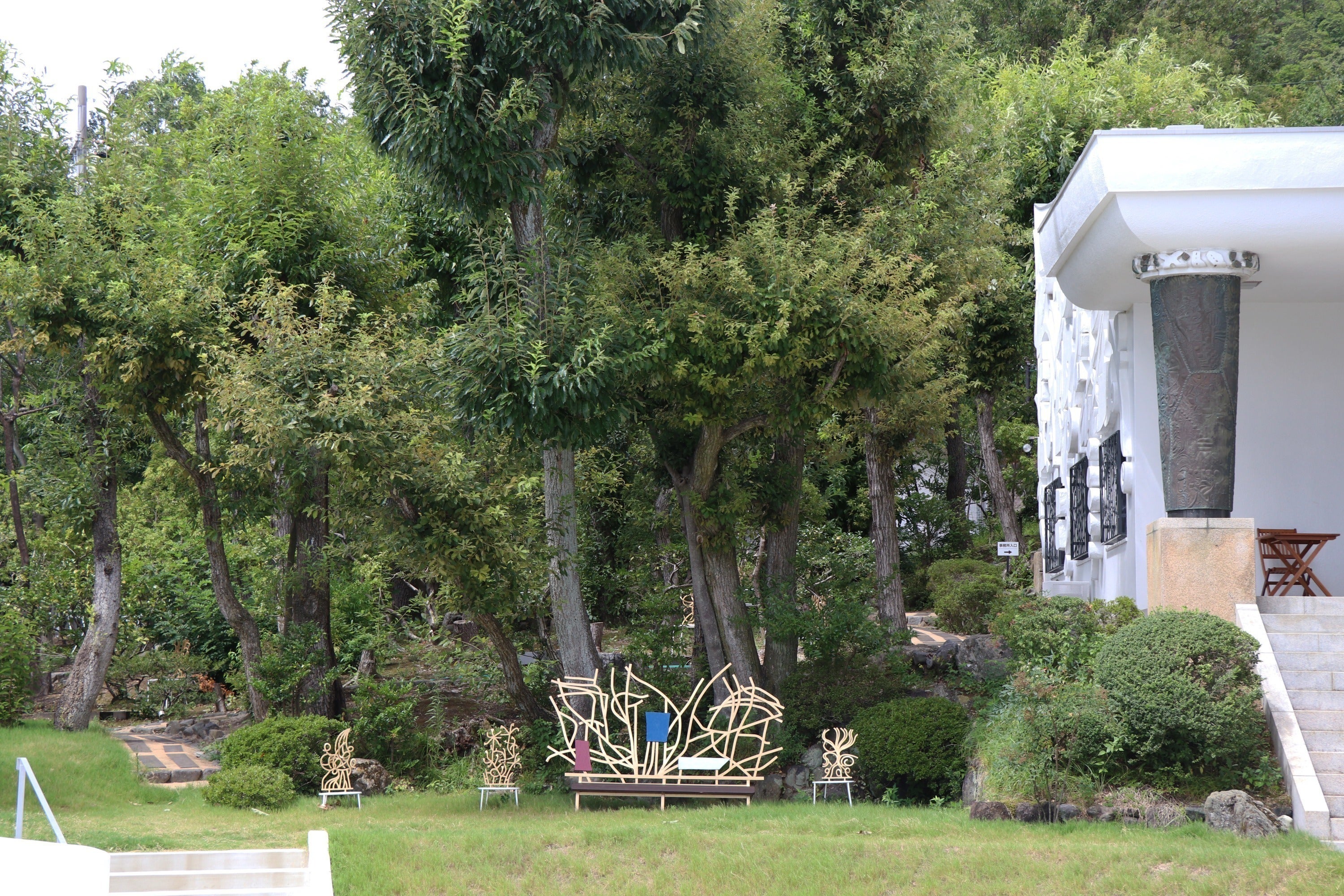
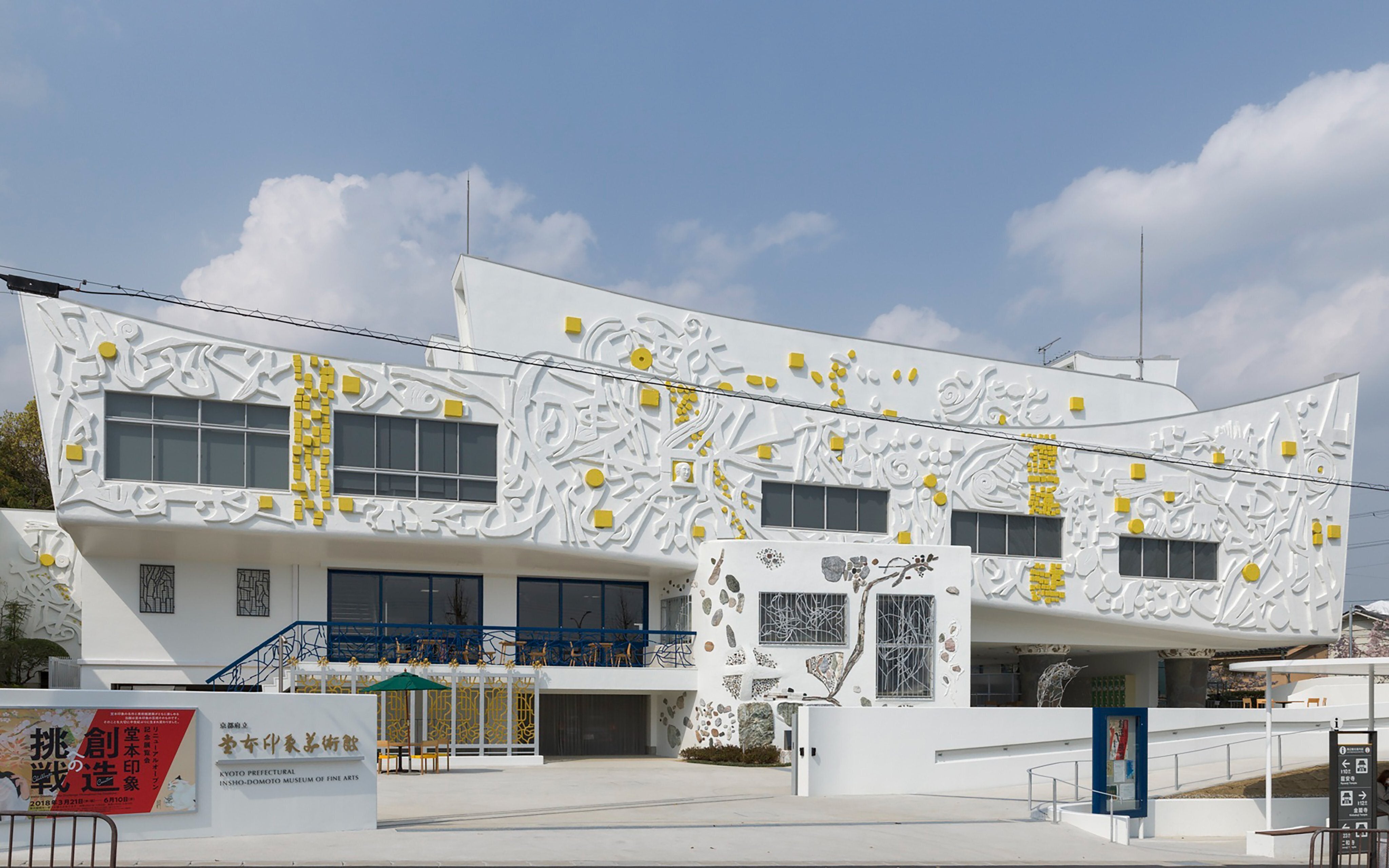
京都・衣笠。金閣寺から龍安寺、仁和寺へと続く世界遺産を結ぶ「きぬかけの路」沿いに、ひときわ目を引く白い建物があります。
外壁一面に施された抽象的なレリーフ、建物全体がまるでひとつの芸術作品のような存在感——それが京都府立堂本印象美術館です。
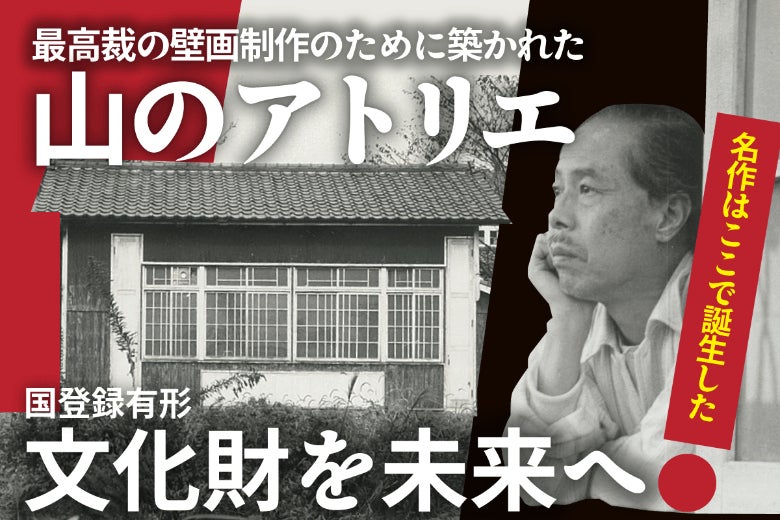
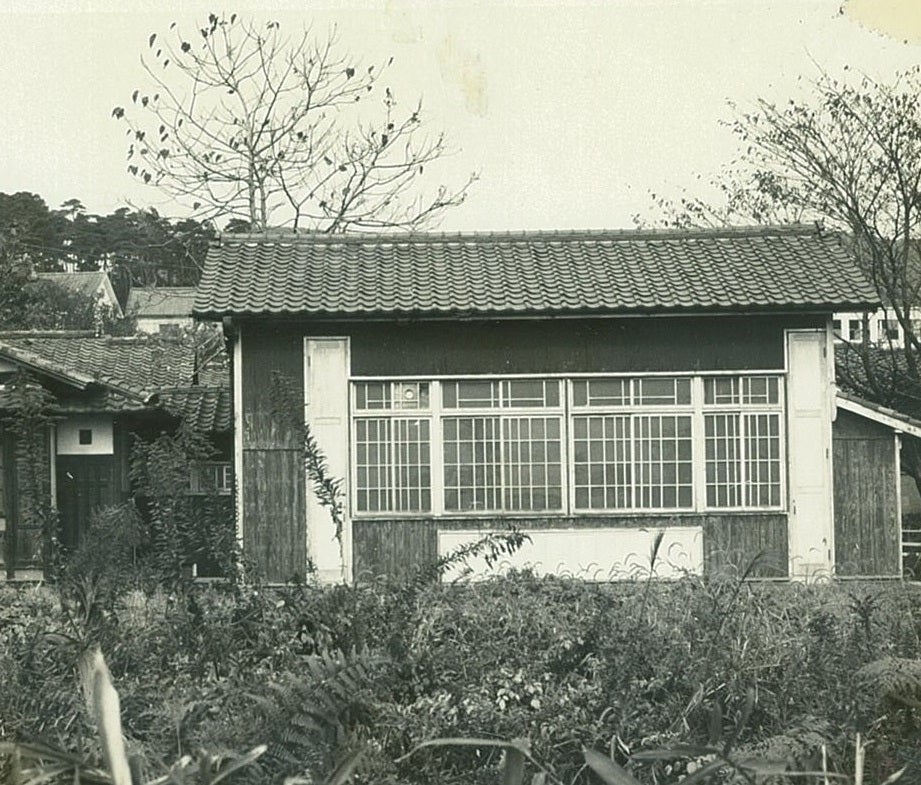
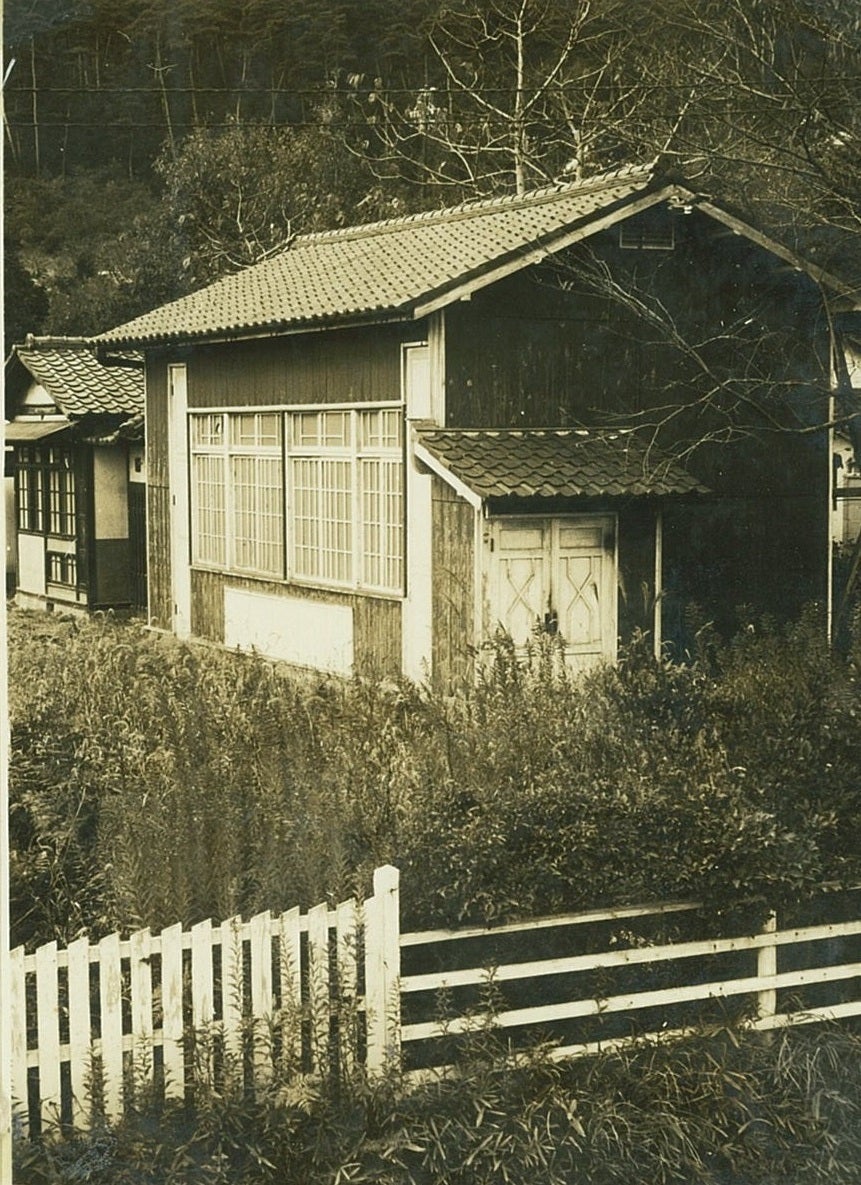
この美術館には、通常非公開の「山のアトリエ」と呼ばれる建物があります。
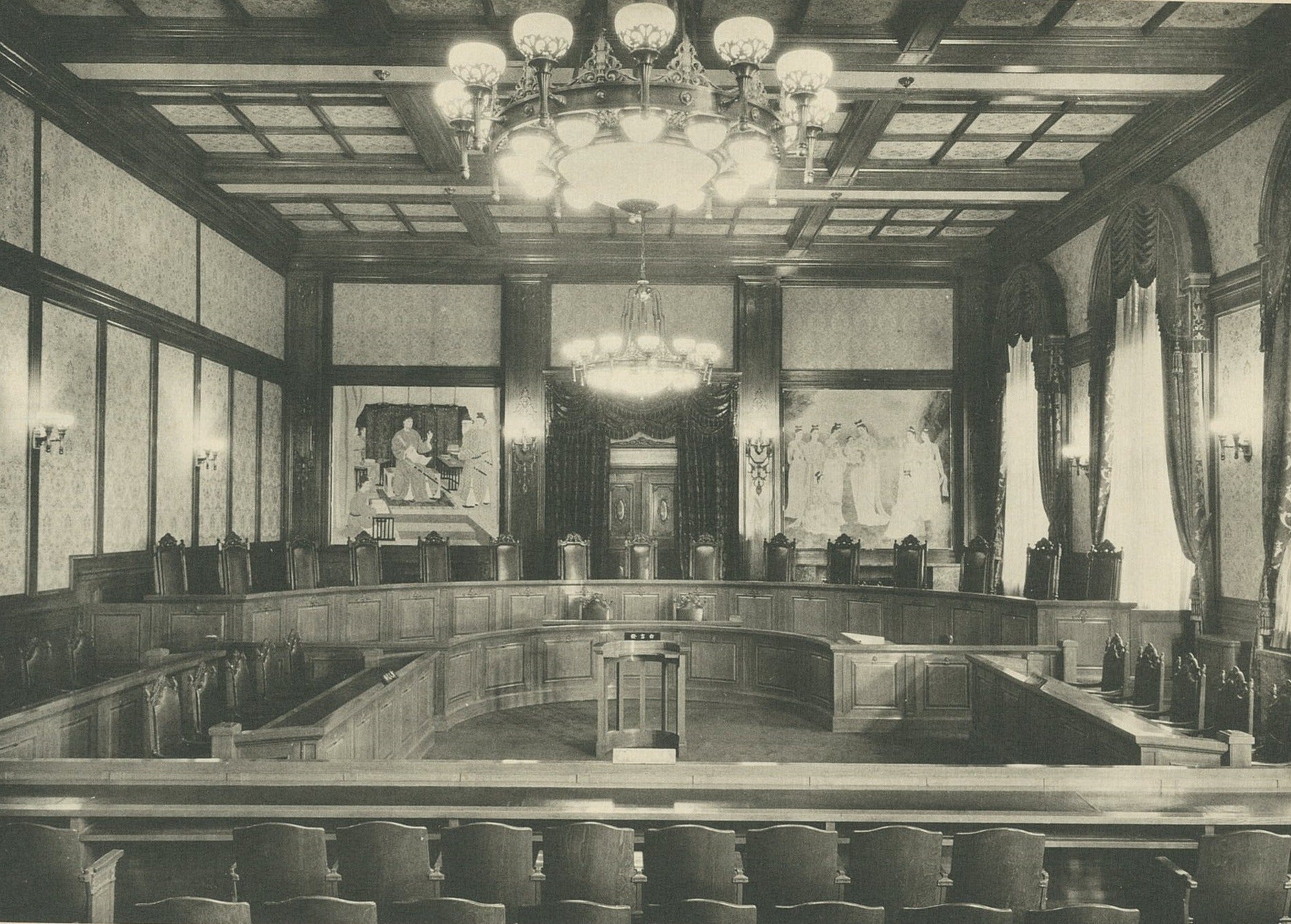
日本画の巨匠・堂本印象が、最高裁判所大法廷に飾る巨大壁画(三部作)を制作するために造ったアトリエです。
窓の両脇にある細長い扉は、約3メートルの壁画を搬出するために設けられました。
ここは、印象が「百年ぐらいは悪口を言われるだろう」という覚悟のもと、思い切りモダンな構想で描いた智積院の襖絵をはじめとする大作の制作に没頭した空間です。
2025年8月6日、この「山のアトリエ」と美術館本館が、国の登録有形文化財に指定されました。しかし、建築から75年を経たアトリエは老朽化が進み、このままでは文化財としての価値を維持することが困難な状況にあります。
巨匠の息吹が宿るこの空間を、次世代へ確実に引き継ぐために。私たちは今回、クラウドファンディングを通じて皆さまのお力をお借りしたいと考えています。
日本画の巨匠・堂本印象と、自らデザインした美術館
堂本印象(1891〜1975)は、大正から昭和にかけて京都画壇の中心として活躍した日本画家です。
1961年には文化勲章を受章。伝統的な具象画から、社会風俗画、そして斬新な抽象画へと作風が変わり、同一人物の作品とは思えないほど変化しています。
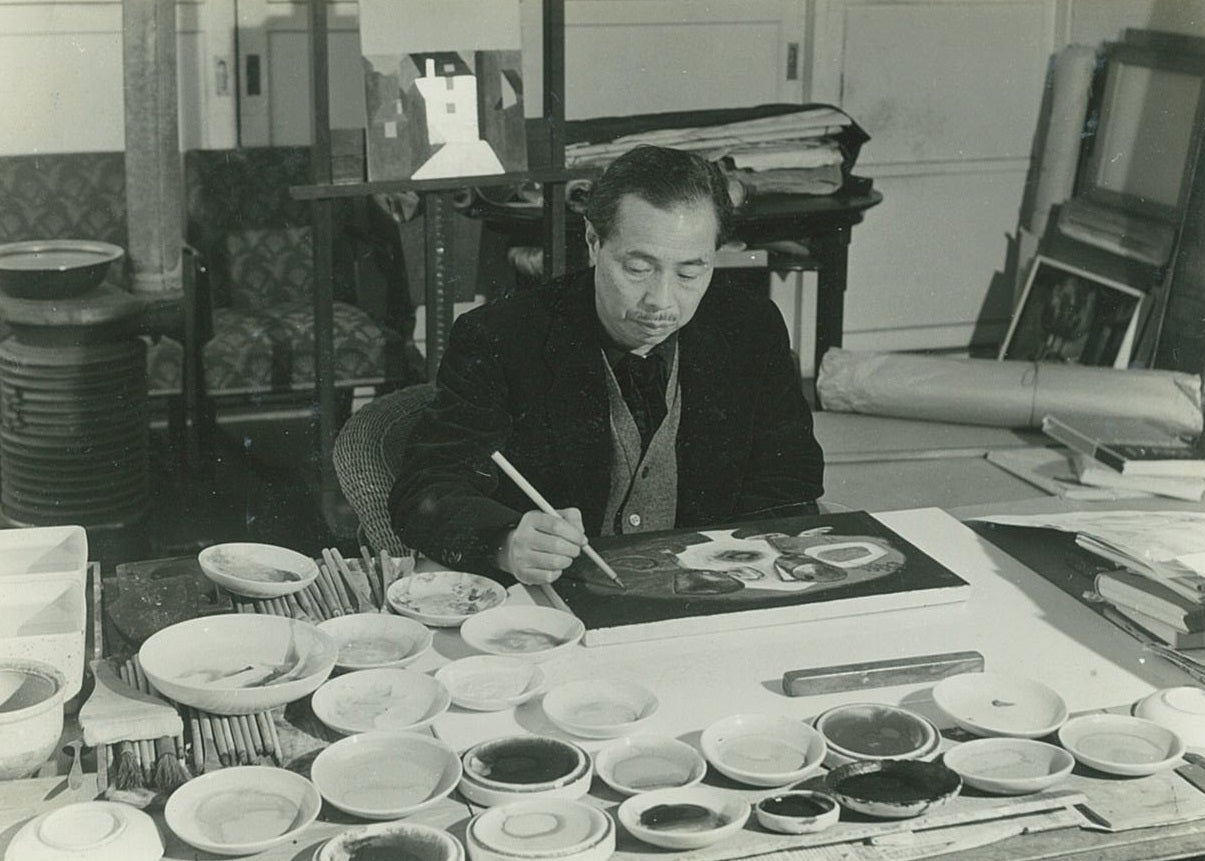
一つの作風が完成したら、決して固執せず新たな道へ一歩踏み出す。
生涯にわたって、創造というものに挑戦し続けました。高野山根本大塔や最高裁判所大法廷の壁画など、寺社仏閣や教会など公共建築の壁画も数多く手がけ、その作品は今なお多くの人々の心を動かし続けています。
明治24年(1891)9人兄弟の三男として京都の酒造家に生まれ、京都市立美術工芸学校を卒業後、織物の図案家として働きながら画家を志し、京都市立絵画専門学校に入学しました。
1919年、第1回帝展に出品した「深草」で初入選を果たすと、その後も「調鞠図」で特選、「華厳」で帝国美術院賞を受賞するなど、瞬く間に日本を代表する画家としての地位を確立しました。
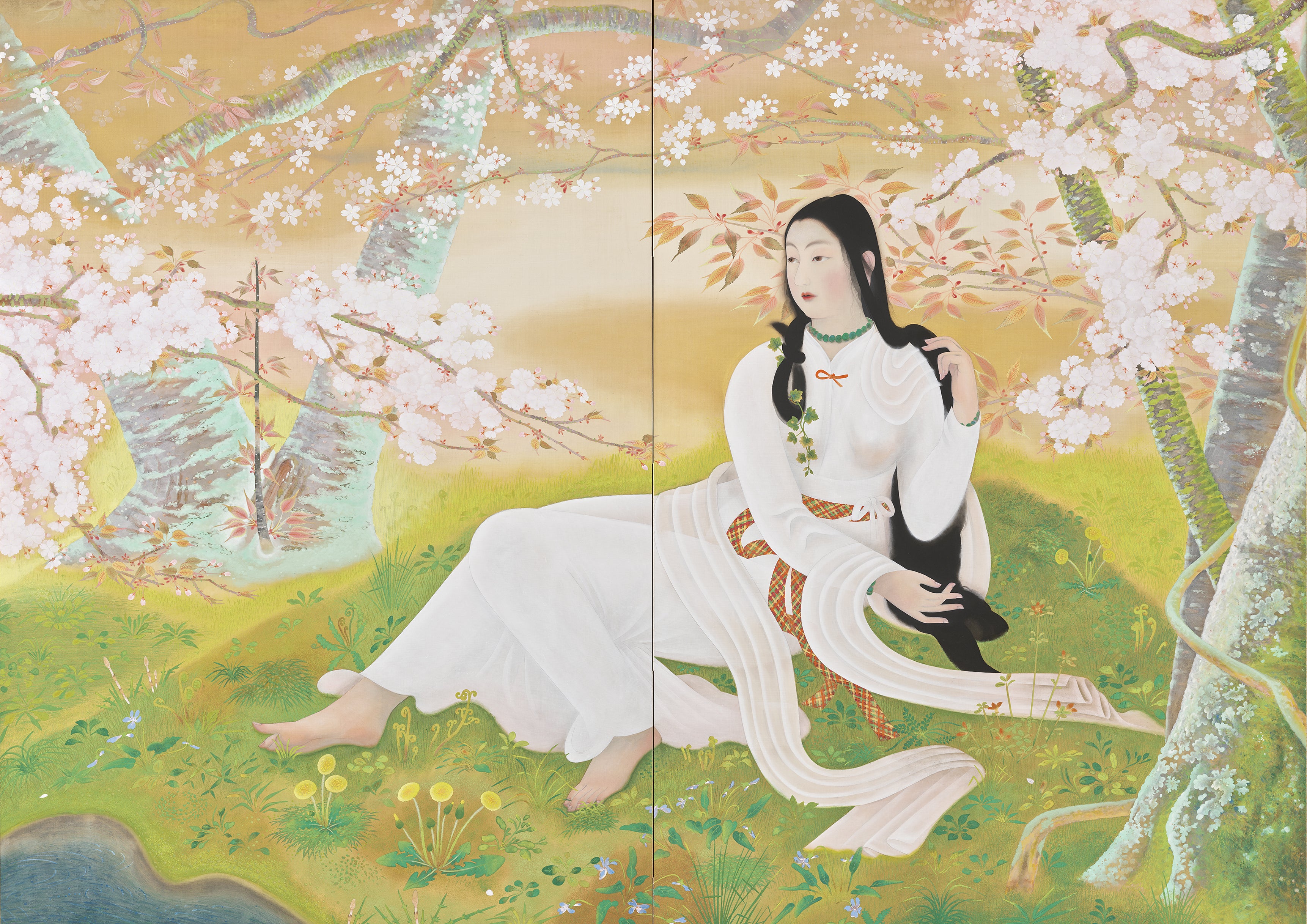
木華開耶媛(堂本印象1929年)
印象が手掛けた社寺・教会などの障壁画は近現代の画家では比類ない質量を誇り、印象芸術最大の業績の一つであり、約600面にも及びます。
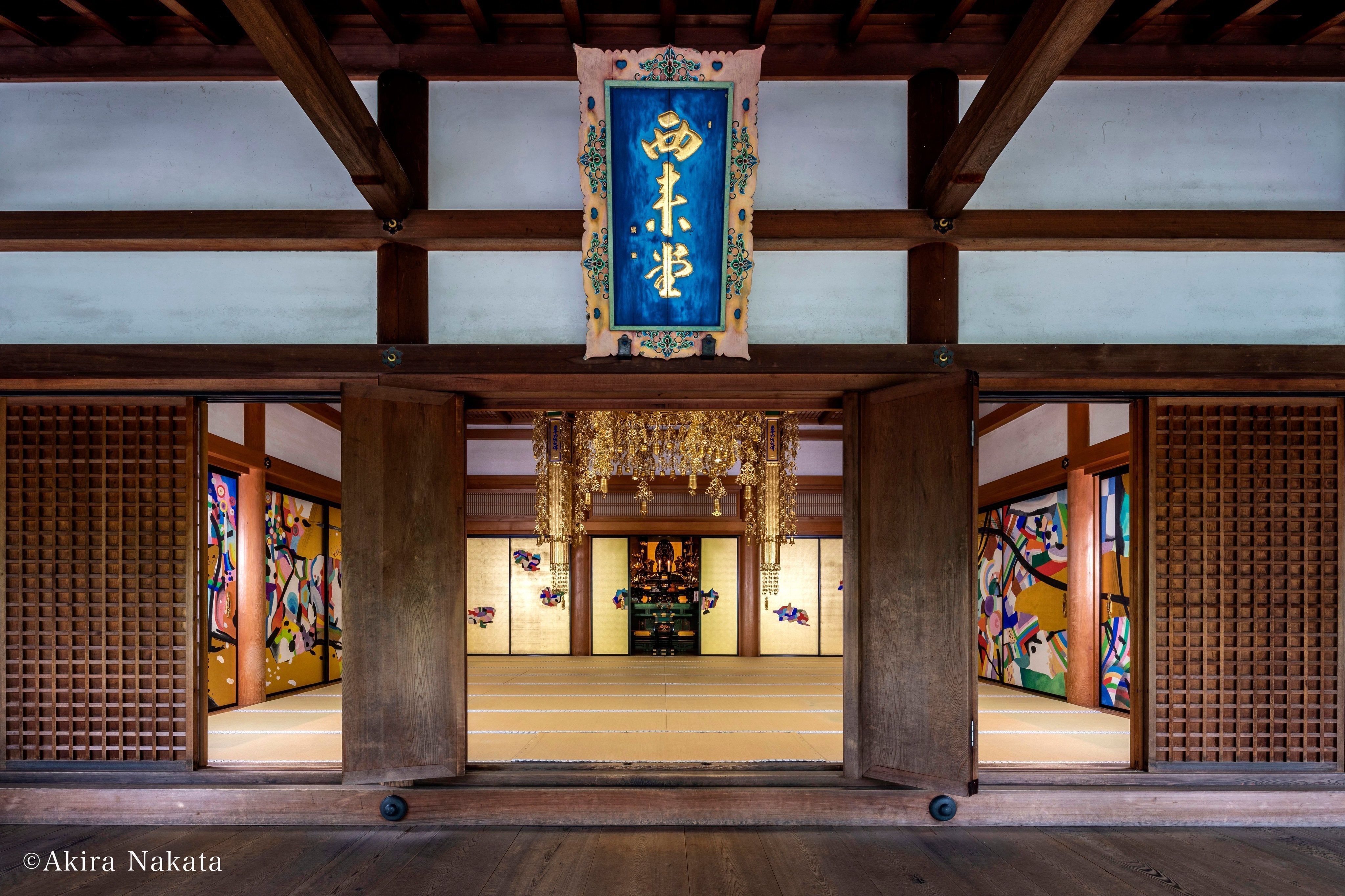
襖絵を描いた「苔寺」として有名な「西芳寺」
伝統的な画風にとどまらず、戦後は装飾性を持ち合わせた華麗な画風を得意とし、画業のほぼ全期間を通じて揮毫された襖絵は、初期から晩年に至るそれぞれの時期の印象の画風を反映しています.
印象の画業は、一言で語ることができません。伝統的な日本画の技法を極めた後、60歳を過ぎてヨーロッパを視察。
 風神(堂本印象1961年)
そこで触れた西洋美術に新しい刺激を受け、大胆にも抽象表現の世界へと踏み出しました。「伝統を打ち破って新たな芸術の創造を目指すことが真の伝統である」——印象のこの言葉は、常に進化し続けた画家の信念そのものです。
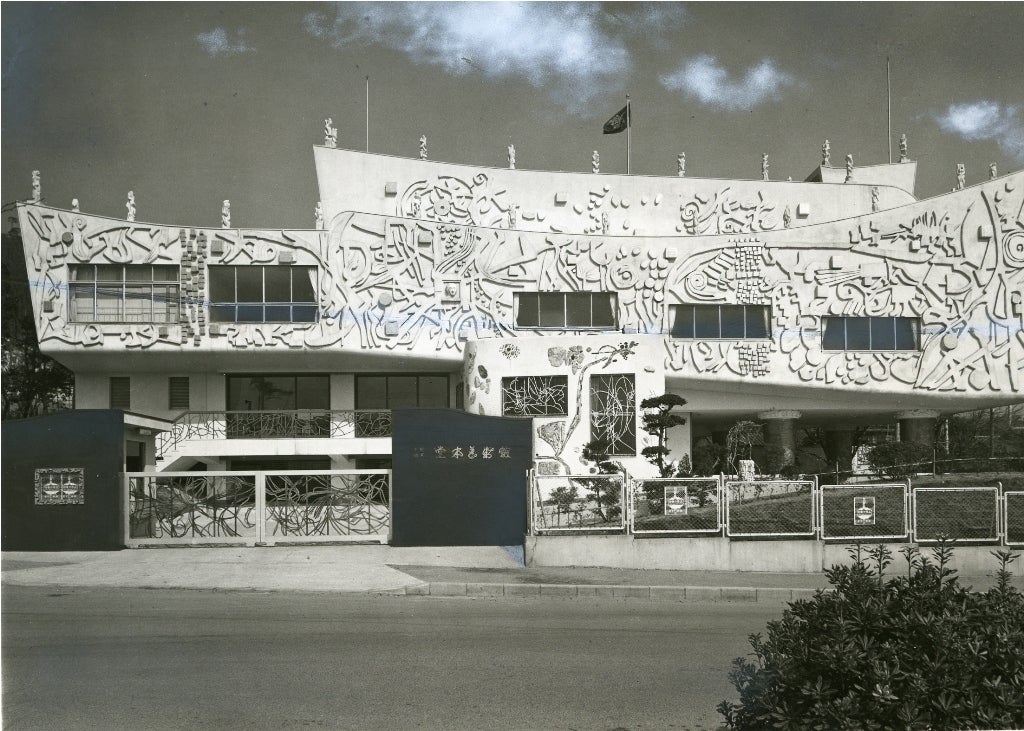
1966年、印象は自らの作品を展示するだけでなく、日本画の発展を願い、京都に還元したいと、私財を投じて美術館を建設しました。
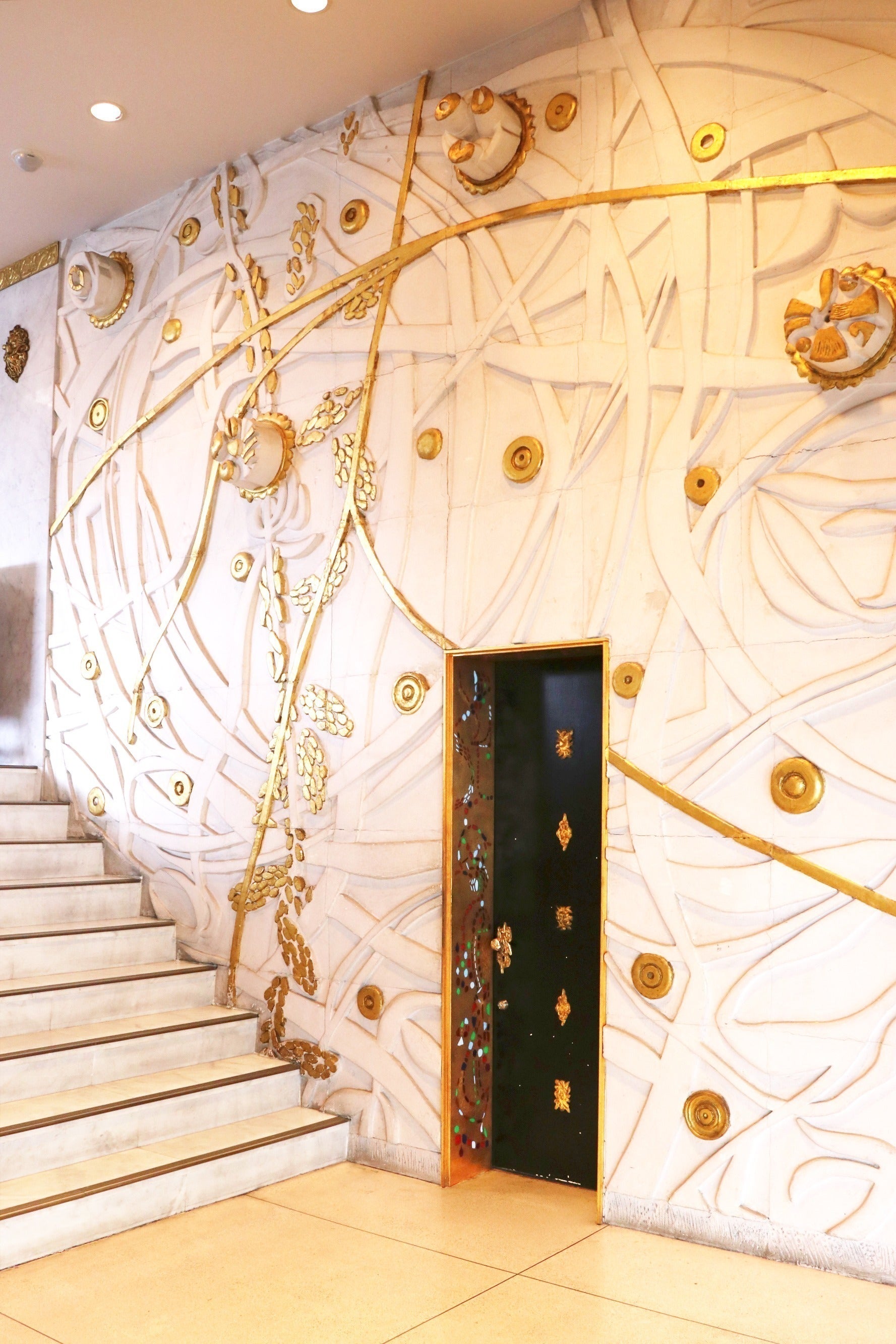
驚くべきことに、この美術館は外装から内装、家具や照明に至るまで、すべて印象自身がデザインしています。ヨーロッパの宮殿や美術館を視察した経験を活かし、衣笠山の稜線に呼応する流線美と、外壁一面に施された抽象レリーフを特徴とする建物。
白と金色の装飾を施した扉や壁、タペストリーや案内板、彫刻や染織、陶芸など日本画の枠を超え創作に取り組んだ印象の集大成であり、まさに「建物そのものが作品」と呼ぶにふさわしい唯一無二の空間を生み出しました。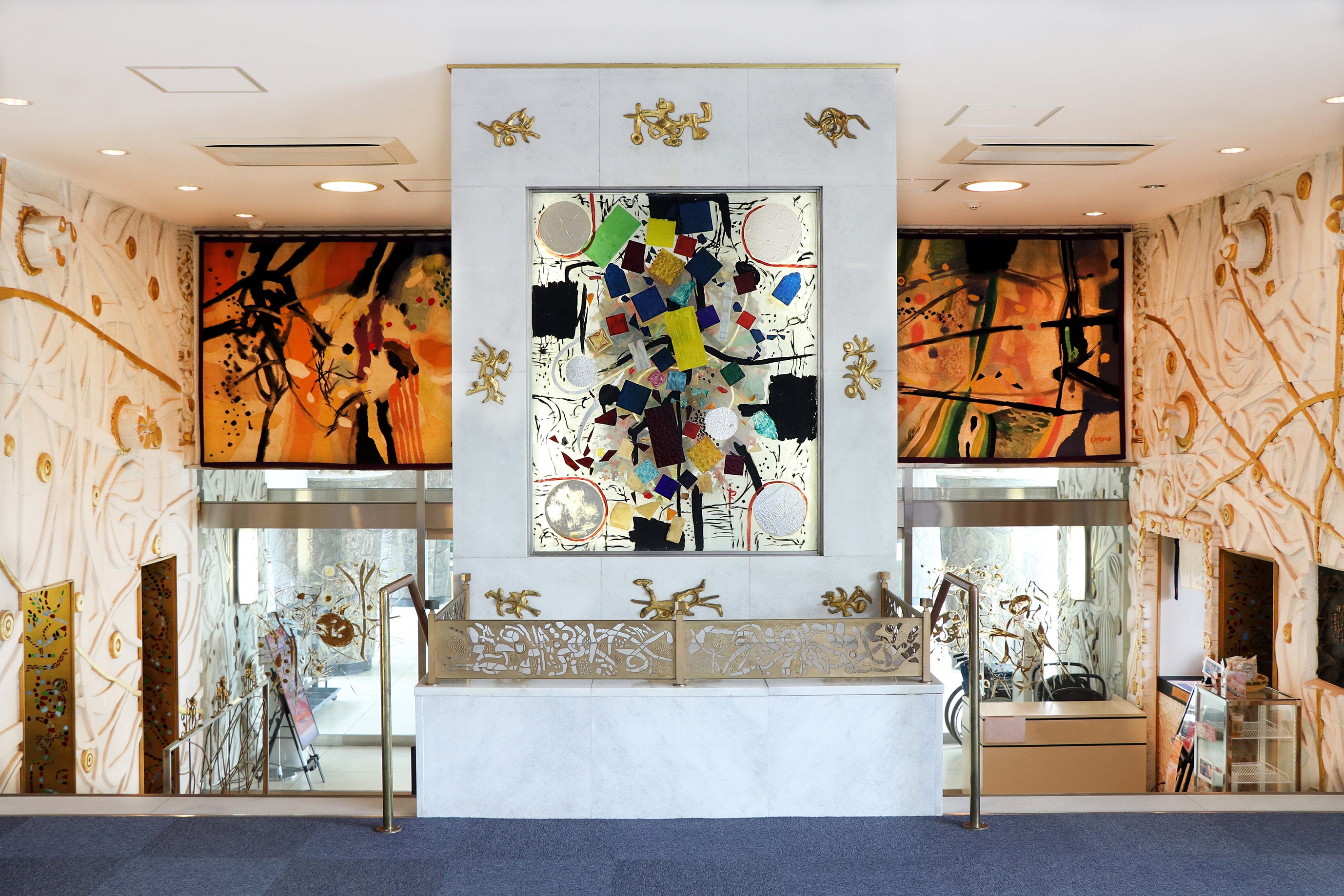
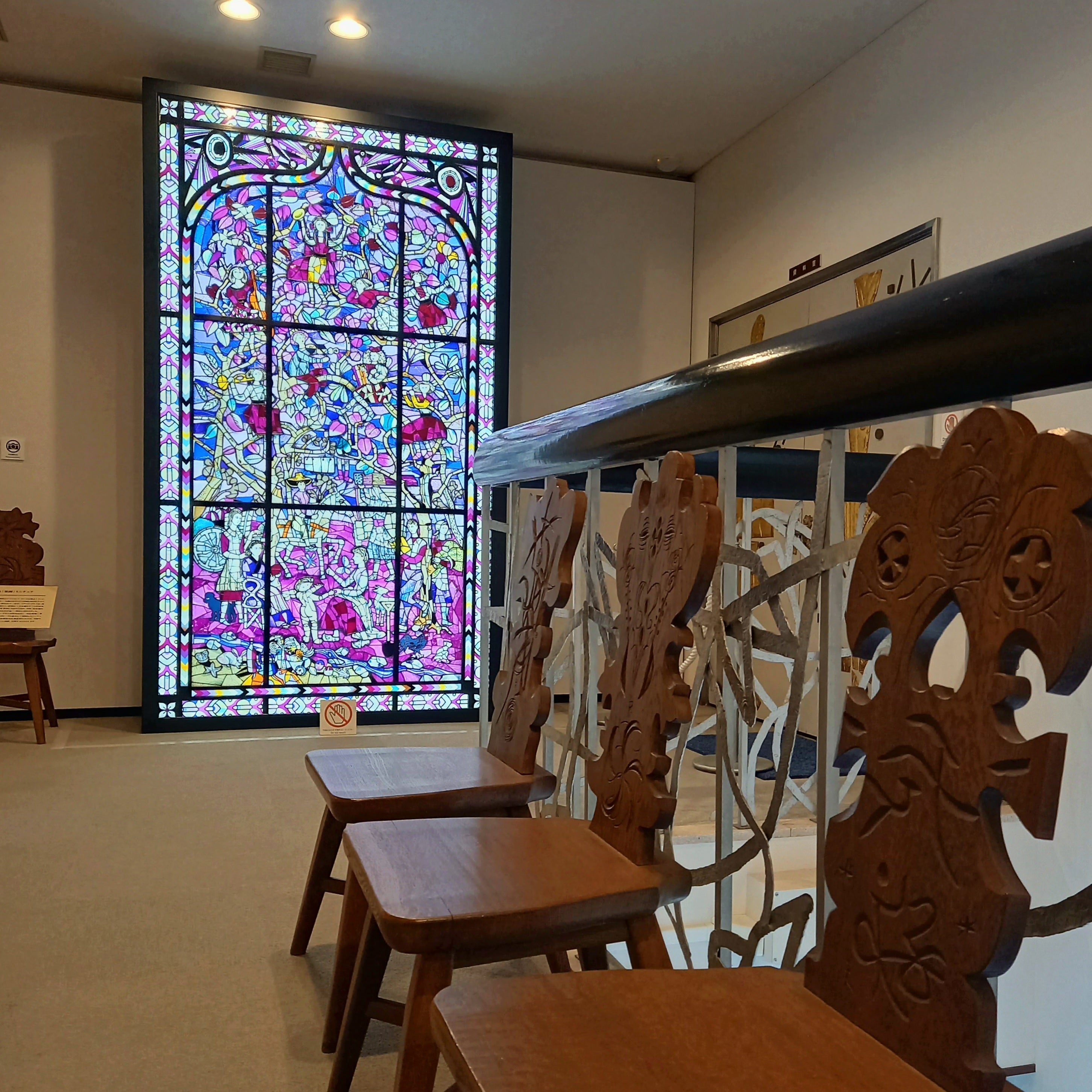
1階からゆるやかなスロープを伝って行くと自然に2階へたどり着く回廊も展示室になっています。脚の悪かった高齢の母親を思って構想したものです。

二十歳の時に父親が亡くなり、一家の大黒柱として家族を養っていた印象は、芸術に専念したいと生涯独身を貫きましたが、9人の子どもを育て苦労の絶えなかった母親を大切にし、また弟妹たちも父親のような存在であった兄、印象を支えていたのです。
印象の死後、美術館と約2,000点を越える所蔵作品は京都府に寄贈され、1992年に京都府立堂本印象美術館として再出発しました。
現在は、印象の多彩な画業を紹介する企画展のほか、京都ゆかりの作家による特別企画展も開催し、多くの来館者に愛されています。
日本画の聖地「衣笠」——絵描き村の記憶
美術館が位置する衣笠は、大正から昭和50年(1912~1975)頃にかけて「きぬがさ絵描き村」と呼ばれ、日本画家の大家とその門弟たちが数多く集い、創作に励んだ土地です。緑豊かな衣笠山を背にしたこの地域には、かつて多くの画家たちのアトリエが点在し、互いに刺激し合いながら日本画の新たな地平を切り拓いていきました。
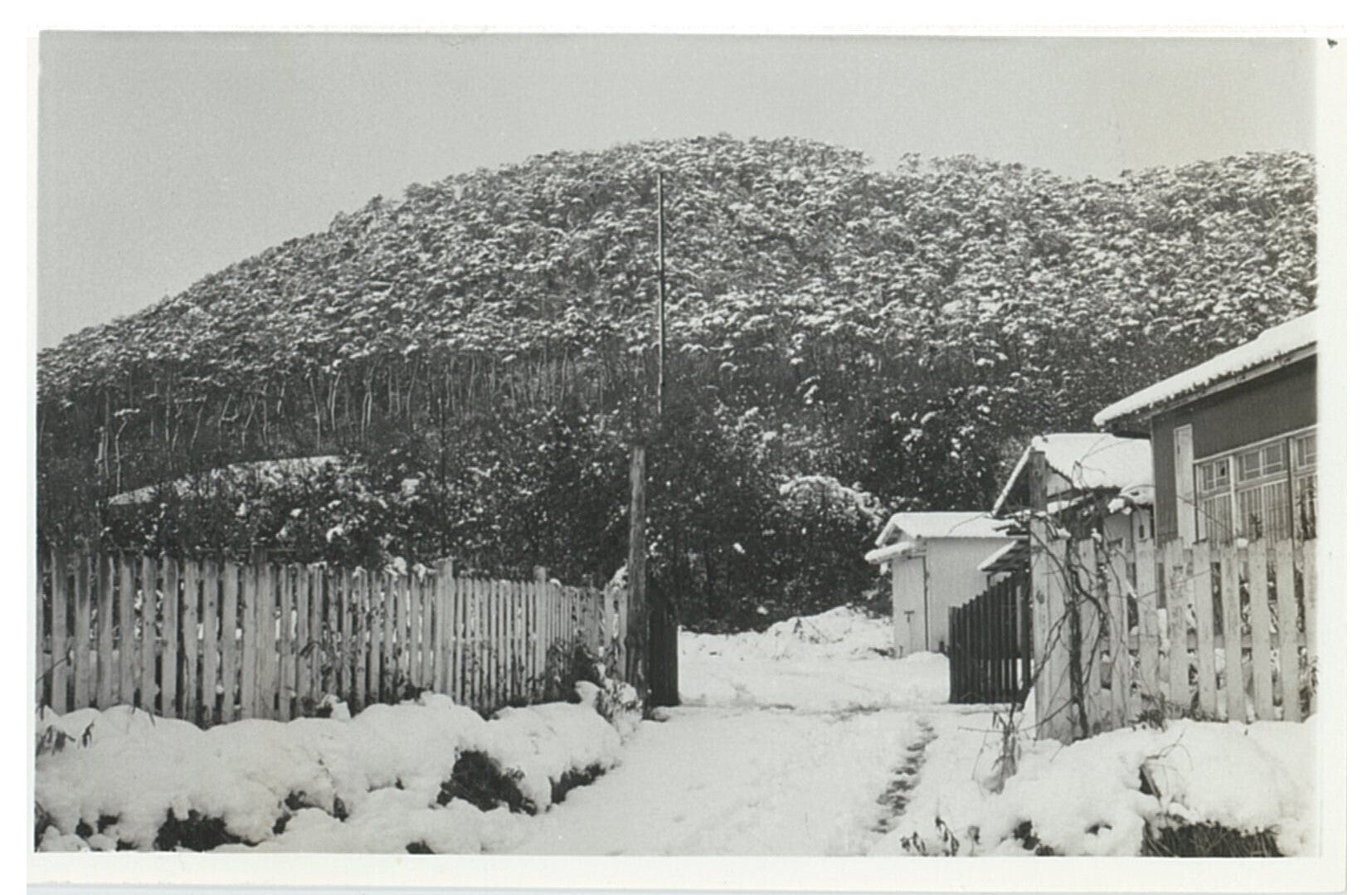
印象もまた1943年にこの地に居を構え、衣笠山を望む環境のなかで数々の名作を生み出しました。
静寂に包まれた山裾の空気、四季折々に移ろう自然の光——この土地の風土そのものが、印象の創作を支えていたのです。
かつて多くの画家たちが暮らし、互いに切磋琢磨した「絵描き村」の面影は、今では薄れつつあります。
しかし、堂本印象美術館と山のアトリエは、その時代の記憶を今に伝える貴重な証人として、衣笠の地に静かに佇み続けています。
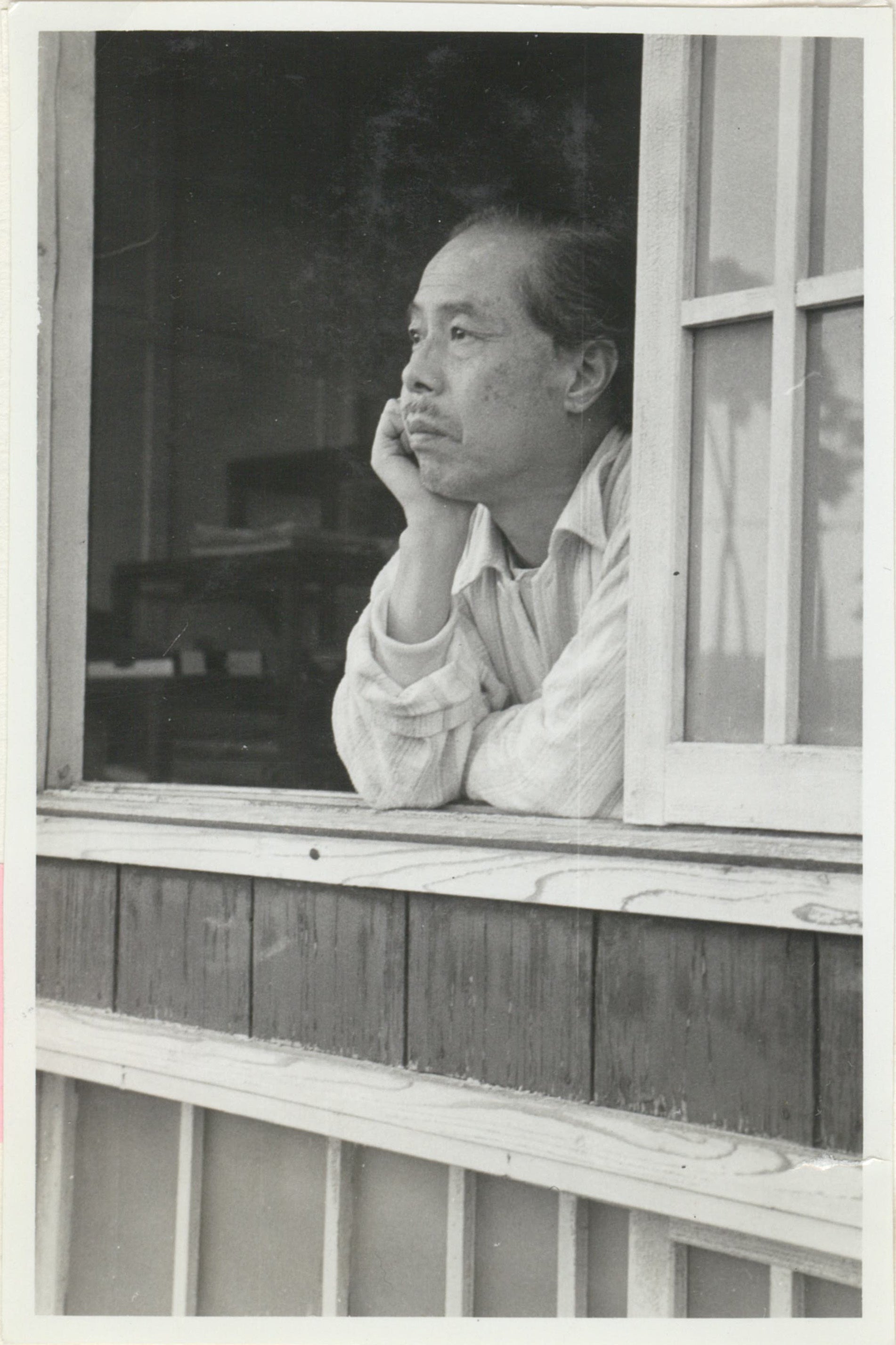
「山のアトリエ」——巨匠の息遣いが残る創作空間
「山のアトリエ」は、1950年頃に今の美術館本館のある場所に建設され、その後1964年に現在の美術館本館の西側に移築されました。
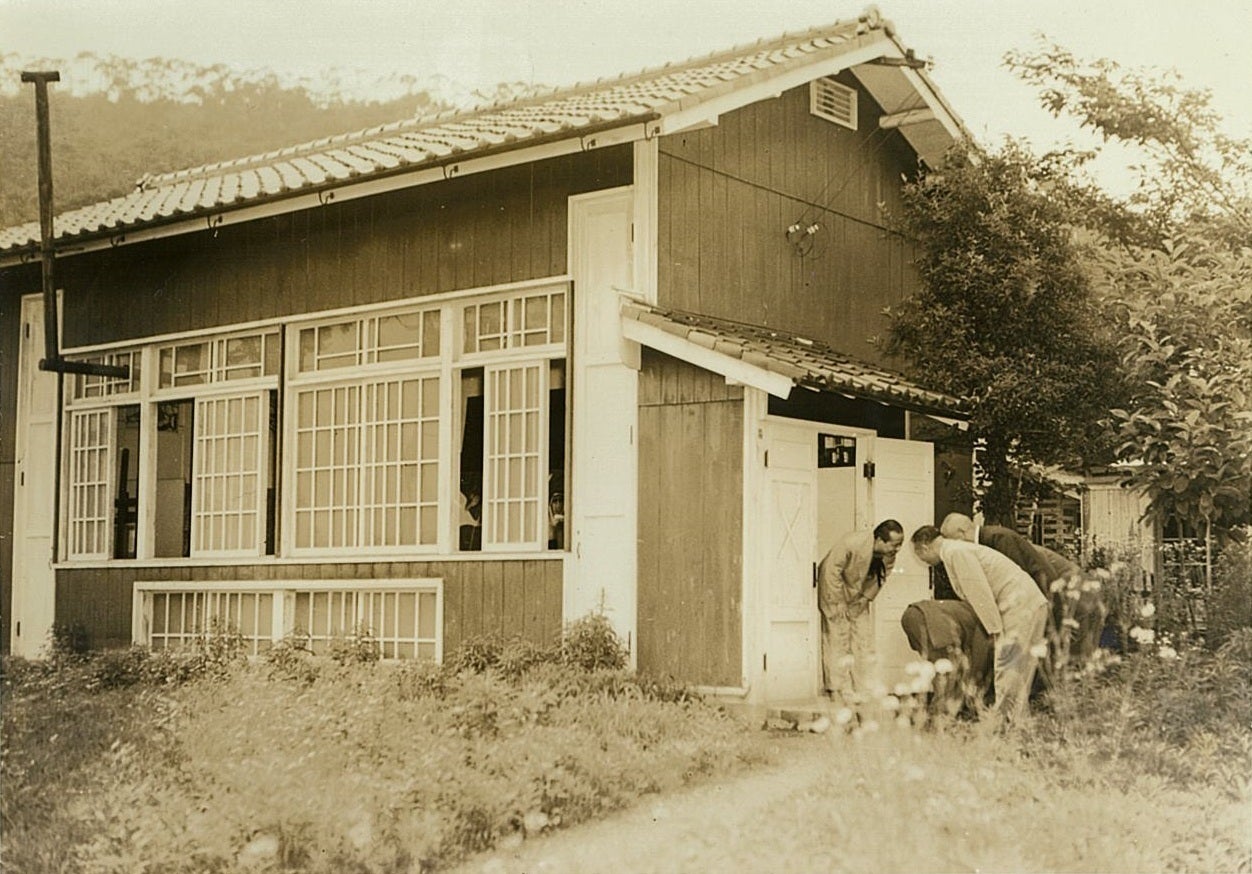
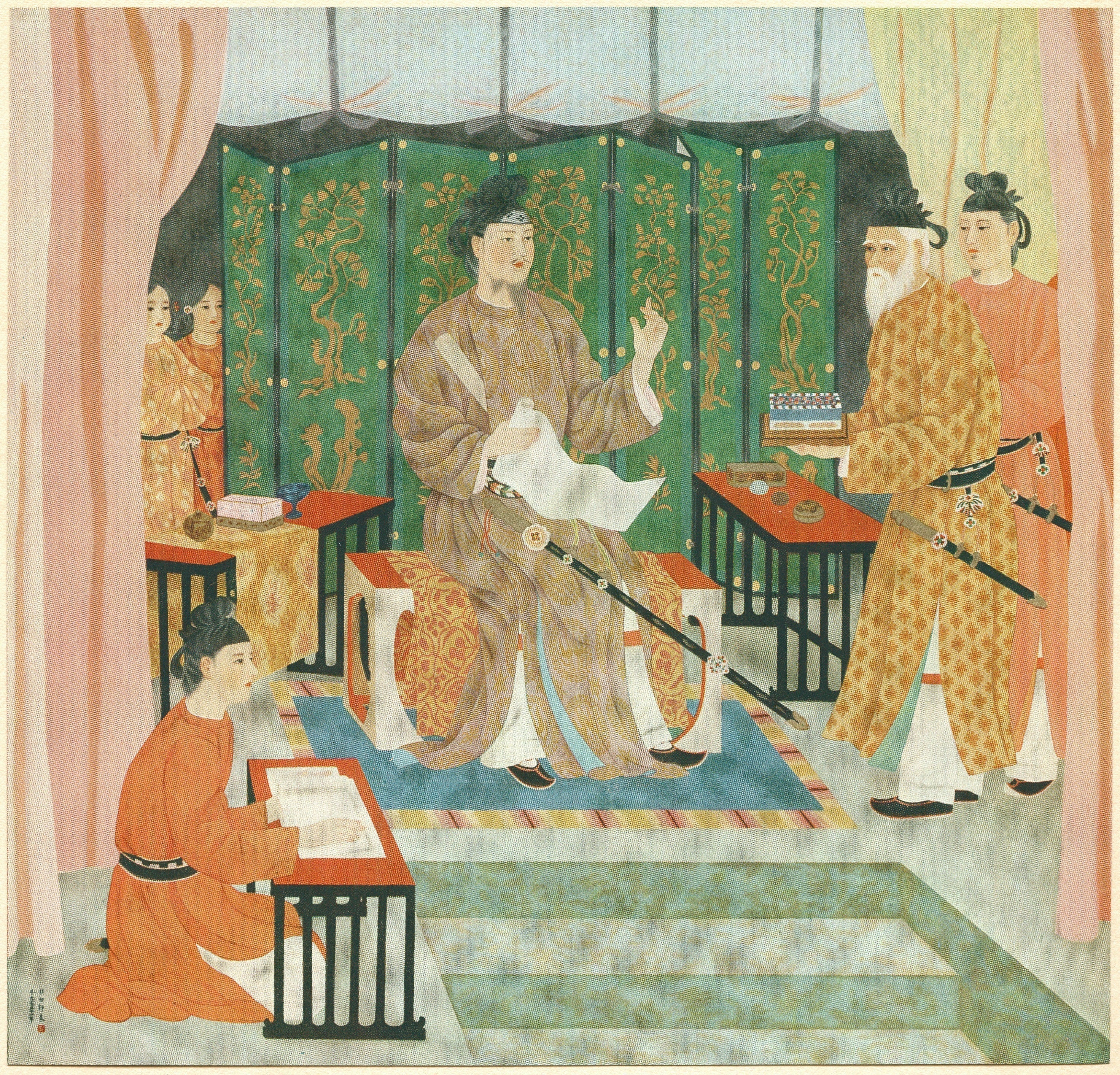
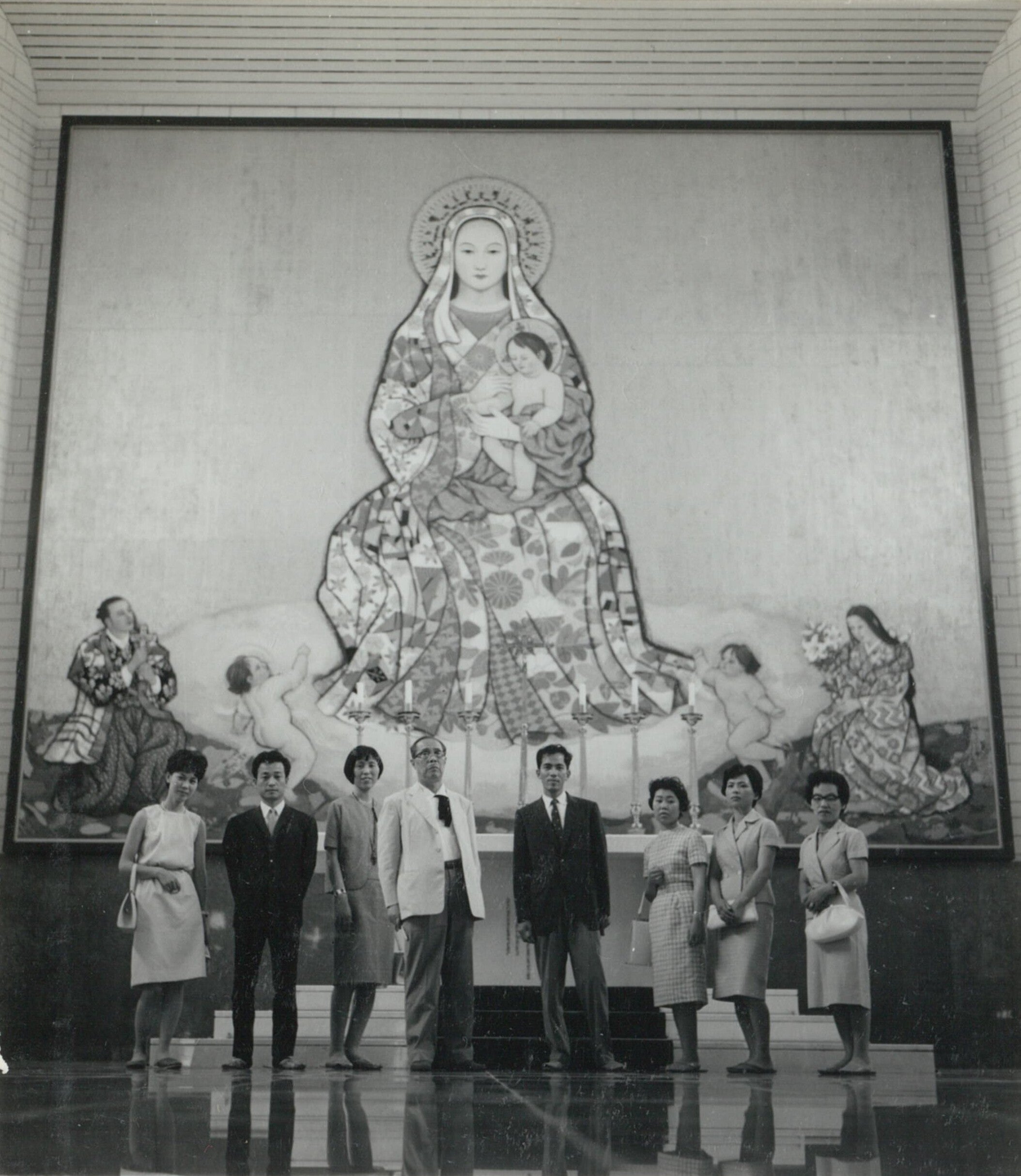
このアトリエが生まれた最大の理由は、最高裁判所大法廷を彩る壁画「聖徳太子憲法御制定」「間人皇后御慈愛」「聖徳太子御巡国」の制作でした。
日本の司法の最高府を飾る大壁画を依頼された印象は、この大仕事のために専用のアトリエを必要としたのです。
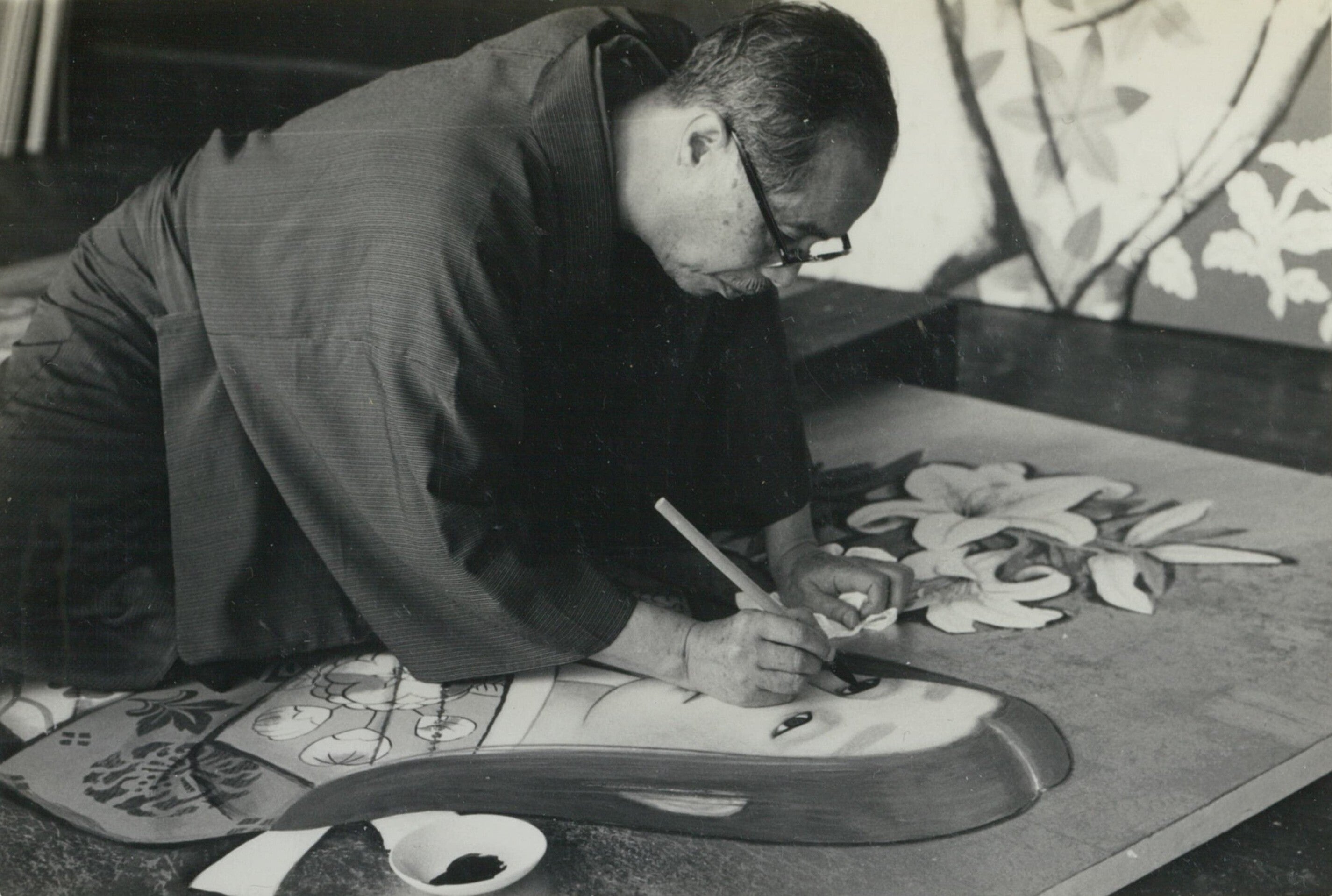
巨大な壁画を描くためには、それに見合う広大な作業空間が必要です。印象は、大作制作専用のアトリエとして、この建物を設計しました。
特筆すべきは、その採光への徹底したこだわりです。
大きなガラス窓と欄間を開放することで、自然光がアトリエ内部に豊かに注ぎ込むよう設計されています。絵画制作において光は命です。印象は、自然光のもとで微妙な色彩を見極め、筆を動かし続けました。
このアトリエで、印象は最高裁の壁画のみならず、展覧会出品作をはじめとする新しい創造への挑戦を行いました。壁に残る絵の具の痕跡、使い込まれた床板——ここには、印象が創作に没頭した日々の息遣いが、今なお確かに残っています。

なぜ今、修繕が必要なのか——迫りくる老朽化の危機
「山のアトリエ」は築約75年の古い建物です。四季の移ろいを75回繰り返すあいだ、時の流れは確実にこの建物を蝕んでいます。
屋根の防水機能は低下し、雨漏りの懸念が生じています。壁面には劣化が目立ち始め、床材の傷みも進行しています。このまま放置すれば、建物の構造そのものに深刻なダメージを与えかねません。


美術館本館とともに国の登録有形文化財に指定された今こそ、この貴重な建物を守るための行動を起こさなければなりません。
文化財としての指定は、その価値が国によって認められた証です。しかし同時に、それは私たちに「この建物を未来へ確実に残す責任」を課すものでもあります。
修繕の機を逃せば、取り返しのつかない事態を招きかねません。今が、行動を起こす最後のタイミングなのです。
もし修繕ができなければ——失われるもの
修繕を行わなければ、何が起こるのでしょうか。それは、取り返しのつかない喪失です。
建物の劣化はさらに進行し、登録有形文化財としての価値が損なわれます。雨漏りや構造の不具合が深刻化すれば、安全上の理由から公開や利用も不可能になります。
そして何より、堂本印象が創作に没頭した画家にとっての「聖なる空間」そのものが永遠に失われてしまいます。
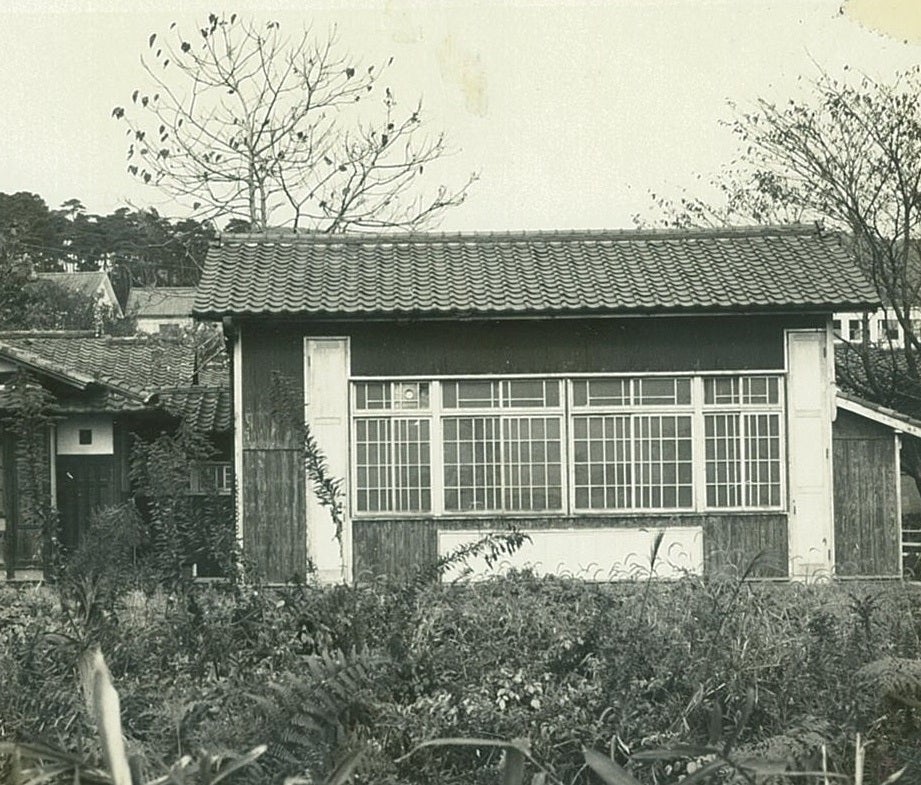
戦後、社会の様々な価値観の変化に直面し、徐々に日本画のあり方を問い直し、それをいかに表現するかを模索しました。
このアトリエには、新しい芸術の創造に全力で挑戦し続けた画家の想いが残されています。
生み出された多くの作品は美術館に収蔵されています。
しかし、その作品がどのような空間で、どのような光のもとで生み出されたのか——それを体感できる場所は、この「山のアトリエ」をおいて他にありません。
衣笠が誇る日本画文化の象徴、絵描き村の記憶を伝える貴重な遺産。それらが永遠に失われてしまう——私たちは、そのような事態を何としても避けなければなりません。
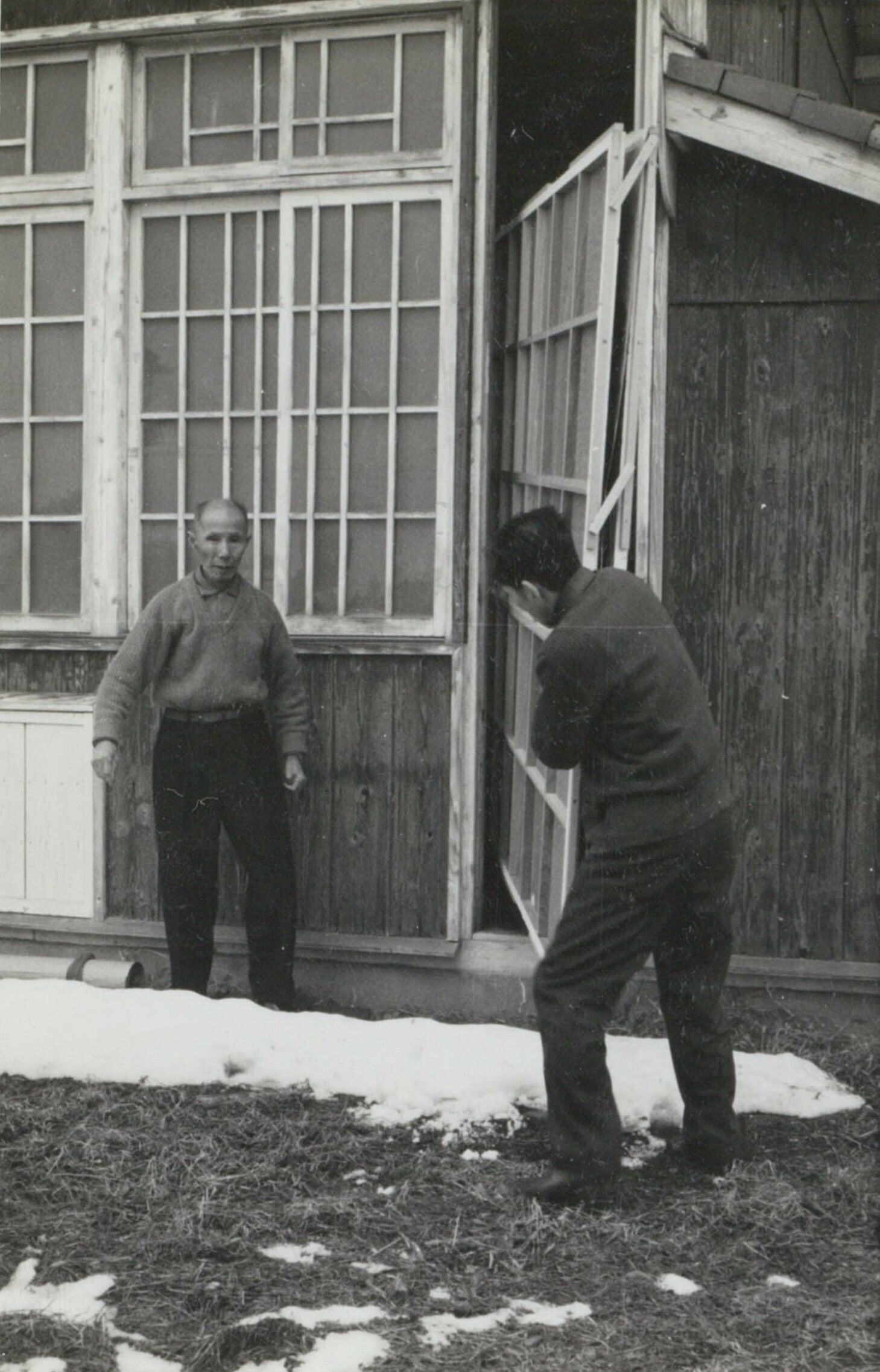
修繕の具体的な内容
今回の修繕では、以下の工事を予定しています。
■ 屋根の防水工事:雨漏りを防止するための防水シート交換を行います。
■ 壁面の修復:劣化した壁材の補修と塗装を施します。
■ 床の補強:安全性を確保するための床材交換を行います。
■ 照明設備の更新:アトリエの特性を活かした照明環境を整えます。
事業スケジュール
2026年5月:クラウドファンディング終了
2026年6月〜8月:修繕工事実施
2026年秋:修繕完了・特別公開イベント開催予定
ご支援の使途
皆さまからいただいたご支援は、すべて文化財保護と公開のために使用いたします。
目標金額の500万円で、アトリエが使用できるようになるための基礎の部分の修繕を行います
■ 屋根の防水工事:雨漏りを防止するための防水シート交換を行います。
■ 壁面の修復:劣化した壁材の補修と塗装を施します。
■ 床の補強:安全性を確保するための床材交換を行います。
クラウドファンディングの期間中に500万円を超えることがございましたら、ネクストゴールとして700万円を設定し
■ 照明設備の更新:アトリエの特性を活かした照明環境を整えます。
を行いたく存じます。
ネクストゴールを超えることがございましたら、サードゴールとして1000万円を設定し、アトリエに隣接する建物の修繕に充てさせていただきます。

ご支援をご検討くださる皆さまへ
最後までお読みいただき、心より感謝申し上げます。
堂本印象が創作に没頭した「山のアトリエ」は、京都文化の宝であり、日本画の聖地・衣笠の象徴です。
この空間には、巨匠が絵筆を持ち、魂を込めて作品と向き合った日々の記憶が刻まれています。壁についた絵の具の痕跡、使い込まれた床板の一枚一枚が、印象の創作の証人なのです。
しかし、今のままでは、この貴重な空間は失われてしまうかもしれません。
私たちは、この空間を未来に残すため、皆さまのお力をお借りしたいと考えています。
一人ひとりのご支援が、大きな力となります。京都の文化を守り、未来へ伝える仲間として、ぜひこのプロジェクトにご参加ください。
ご支援を心よりお待ちしております。
応援メッセージ
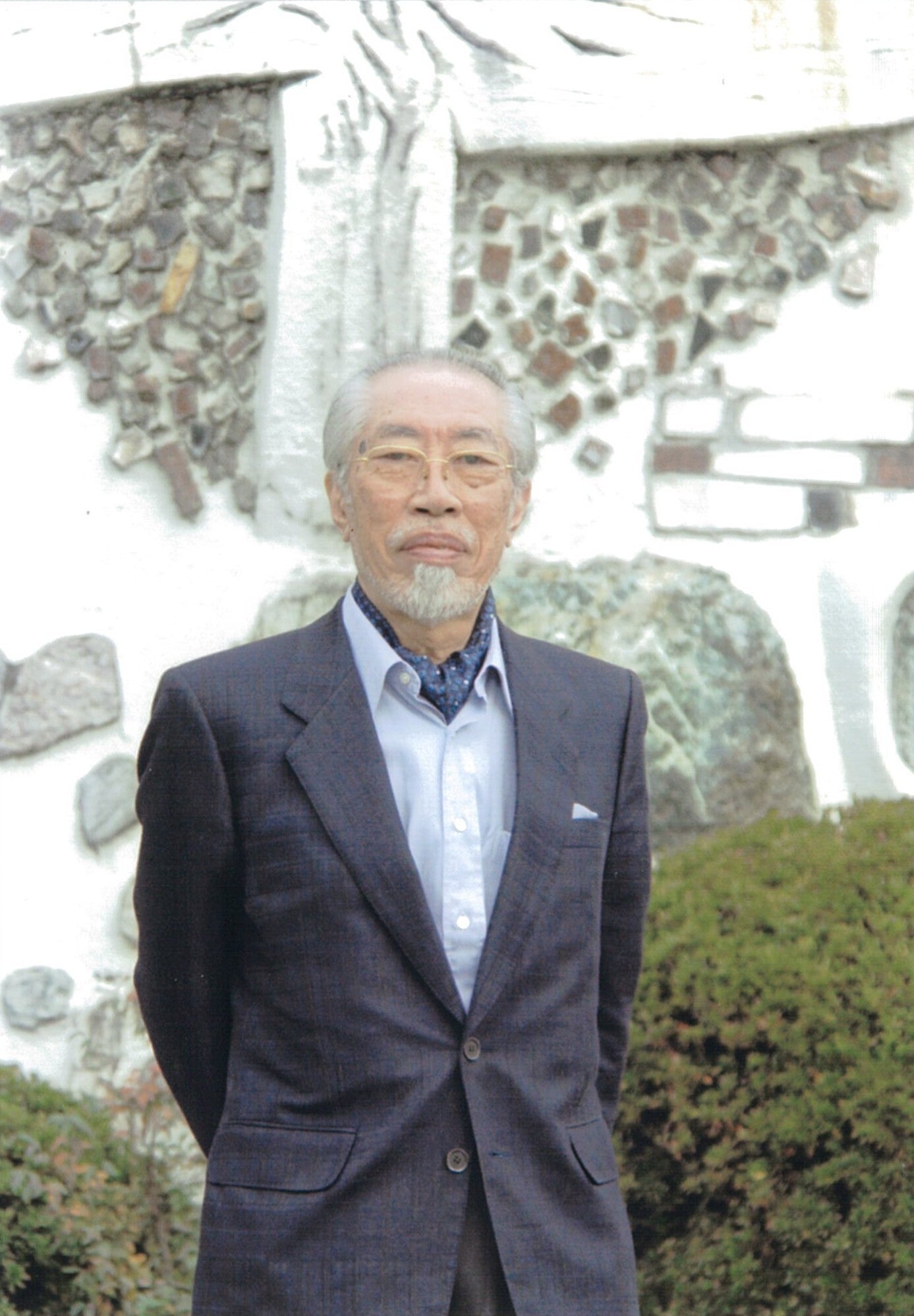
堂本印象美術館 館長 三輪晃久
「山のアトリエ」は、最高裁判所の長官から大法廷を飾る壁画の依頼を受けると同時に設計と建設が始まりました。建物が完成する迄のあいだに印象は作品の構想を練りました。
一辺の長さが280㎝×295㎝という巨大な三枚の壁画の内容を聖徳太子の生涯を象徴する<太子誕生><憲法制定><太子巡国>の三部作としました。壁画の制作にかかりますと、印象の心、精神は聖徳太子に入り込み、太子と聖堂ですごすような境地であったろうと思われます。
画家にとってのアトリエは、ただ絵を描くための場所だけではありません。画家のアトリエは建物という物質以上に画家の心が発した空間として存在したものなのです。「山のアトリエ」は堂本印象が創造への挑戦を歩んだ画家の生涯の記憶の空間であり、アトリエの空間には印象の心が満ちているのです。
この貴重な「山のアトリエ」を保存するための皆様からのご支援を心からお願い申し上げる次第です。
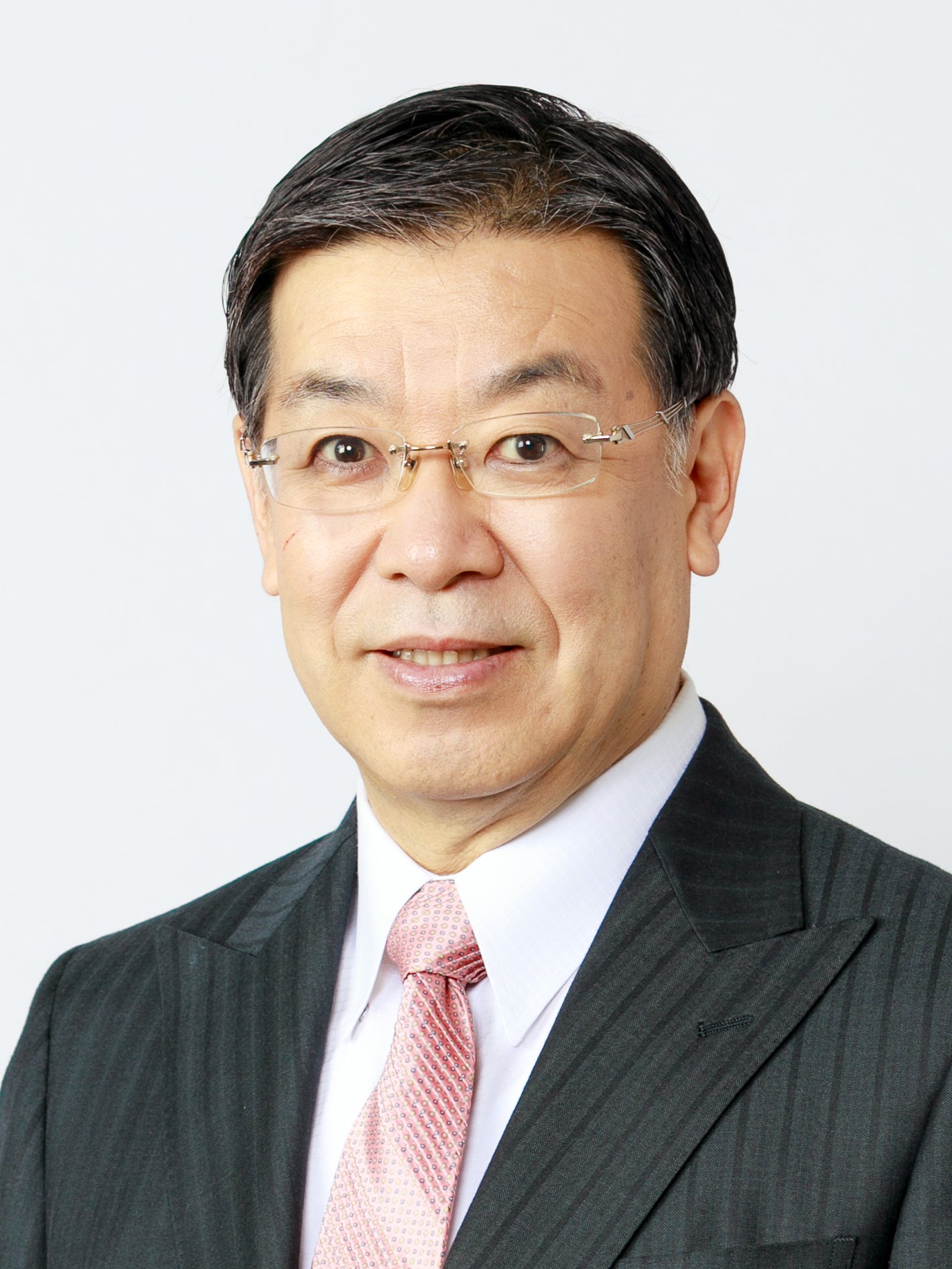
公益財団法人京都文化財団 理事長 山田啓二
堂本印象は大正から昭和にかけて活躍した日本画家で、1961年に文化勲章を受章し、1966年には、外観から内装まですべて印象自らのデザインによる唯一無二の美術館を設立しました。
堂本印象美術館は、日本画家・堂本印象をはじめとする京都画壇の業績と日本画の魅力を広く発信する日本画の振興拠点として、堂本印象の意思を受け継ぎ、現在活躍中の作家の展覧会開催のほか、京都日本画家協会をはじめとした京都の様々な文化芸術団体との連携企画展示など多様な交流の場を創出し、地域とともに頑張っている美術館です。
この「山のアトリエ」修繕工事完了後には、アトリエの特別公開のほか、ワークショップやイベントの開催など新た活用が生まれ、この「山のアトリエ」が、これまで以上に美術館を身近に感じていただける交流の場になることでしょう。
ぜひ、この京都の衣笠山の麓で一生懸命に活動している堂本印象美術館を応援してください。
よろしくお願いします。
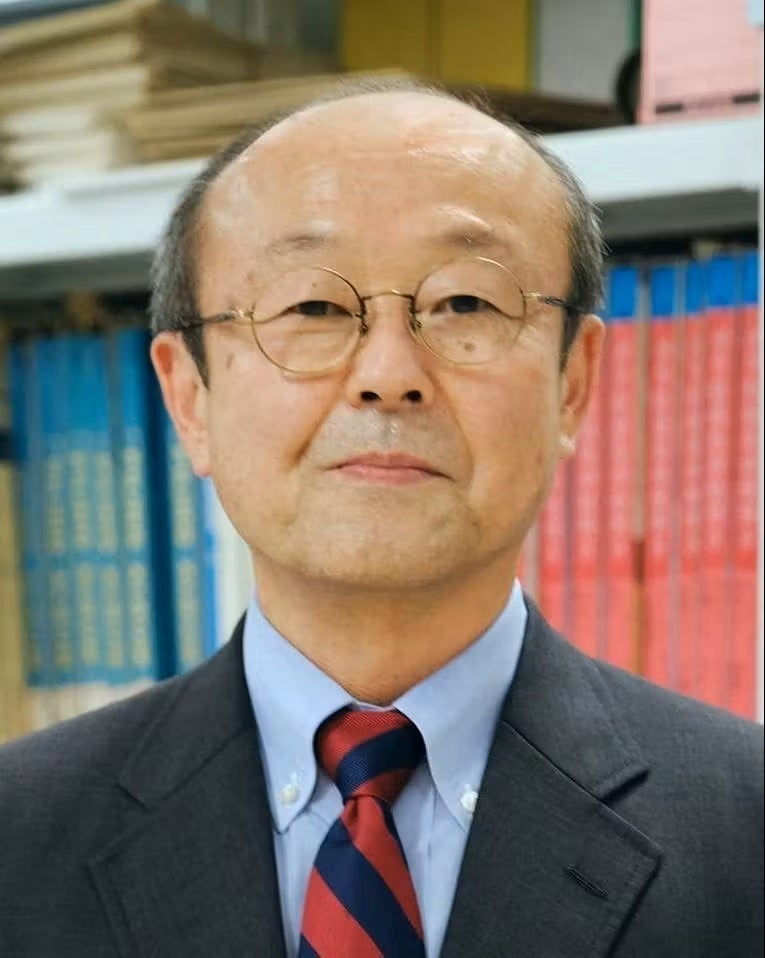
公益財団法人日本博物館協会 専務理事 半田昌之
京都の名刹・金閣寺や仁和寺からほど近く、美しく個性的な外観を持つ京都府立堂本印象美術館は、京都に多くある博物館の中でも、お気に入りの美術館のひとつで、時間がある折には足を伸ばして、しばし豊かなひとときに浸ることができます。京都を代表する日本画家として、大正から昭和にかけて活躍した堂本印象が、建築から内装、椅子などの家具までを自らデザインした美術館は、美術館全体がひとつの作品であり、作家自身が私費を投じて美術館の理想的な姿を追い求めた夢のカタチをじっくり味わうことができます。
堂本印象は、伝統的な日本画から革新的な具象画まで幅広い作風で知られていますが、昭和8(1933)年には後継画家の育成を目的に「東丘社(とうきゅうしゃ)」を創設し多くの個性的な作家を輩出し、美術館がある衣笠の地は日本画の聖地とも呼ばれています。この堂本印象の創作活動の原点を語る場所として重要な意味を持つのが、美術館の傍にひっそりと佇む「山のアトリエ」です。
昭和4(1929)年に建てられたアトリエは、印象自身が建設に携わり、最高裁判所大法廷に飾る巨大壁画(三部作)をはじめ、京都の建仁寺や大徳寺 聚光院の障壁画など、代表的な作品を多く創作し、画家としての原点を見つめ続けた場所です。
堂本印象美術館とアトリエは、残された作品ともに平成3(1991)年に京都府に寄贈され府立の美術館となり、令和7年(2025)年には、美術館とともにアトリエも国の登録有形文化財に登録されました。しかし、この貴重な木造のアトリエが、建設から75年の歳月の中で、老朽化が進み文化遺産としての保存が困難な状況に陥っています。
堂本印象が、伝統を守りながら革新の志を持って創り上げた日本画の世界を支え見守ってきた「山のアトリエ」。その歴史と文化遺産としての姿を未来に残すために立ち上げられた今回のクラウドファンディングは、美術館の存在意義を社会全体で支え、未来へと引き継いでいくための新しいチャレンジで、私自身も全力で応援しています。
多くの皆さまのご協力を心よりお願い申し上げます!
領収書について
本プロジェクトへのご寄付は堂本印象美術館への寄付となり、弊団体が寄付金の受付及び領収証発行を行います。このプロジェクトの寄付は寄付金控除の対象になります。
「寄附金控除」をお受けいただくためには、確定申告の際に、当館が発行した領収証をもって確定申告をしていただく必要がございます。
領収書は2026年9月末までに発送を予定しております。
※領収証はCAMPFIREではなく当団体が発行・郵送いたします。
本プロジェクトはAll-in方式で実施します。目標金額に満たない場合も、計画を実行し、リターンをお届けします。

最新の活動報告
もっと見る
Let us save the fading wellspring of creativity! The challenge to revive “The Mountain Studio” by Japanese painting master Insho Domoto
2026/04/28 21:47Thank you very much for visiting this page.In Kinugasa, Kyoto, there is a striking white building located along the “Kinukake-no-Michi” path, which connects the World Heritage sites of Kinkaku-ji, Ryōan-ji, and Ninna-ji.With abstract reliefs covering its entire exterior and a presence that makes the entire building seem like a single work of art, this is the Kyoto Prefectural Insho-Domoto Museum of Fine Arts.This museum houses a building known as the “Mountain Studio,” which is not normally open to the public.It is the studio that the master of Japanese painting, Insho Domoto, built to create the massive triptych of murals that adorn the Grand Court of the Supreme Court.The narrow doors on either side of the window were installed to allow for the removal of the approximately 3-meter-wide murals.This is the space where Insho, prepared for the criticism he anticipated—saying, “I’ll probably be criticized for about a hundred years”—immersed himself in the creation of major works, including the sliding door paintings for Chisan-in Temple, which he executed with a boldly modern vision.On August 6, 2025, this “Mountain Atelier” and the main museum building were designated as National Registered Tangible Cultural Properties. However, 75 years after its construction, the atelier has deteriorated significantly, and it is becoming increasingly difficult to preserve its value as a cultural asset.To ensure that this space, imbued with the spirit of the master, is passed on to future generations, we are now seeking your support through crowdfunding.Insho Domoto, a Master of Japanese Painting, and the Museum He Designed HimselfInsho Domoto (1891–1975) was a Japanese painter who played a central role in the Kyoto art scene from the Taisho to the Showa periods.In 1961, he was awarded the Order of Culture. His artistic style evolved from traditional figurative painting to social genre paintings and then to innovative abstract works, changing so drastically that it is hard to believe they were created by the same artist.Once he had perfected a particular style, he never clung to it but always took a step toward new horizons.Throughout his life, he continued to challenge himself creatively. He created numerous murals for public buildings such as temples, shrines, and churches—including the Great Pagoda (Konpon Daito) at Mount Koya and the Great Hall of the Supreme Court—and his works continue to move the hearts of many people to this day.Born in 1891 as the third son of nine siblings to a sake brewer in Kyoto, he graduated from the Kyoto Municipal School of Fine Arts and Crafts. While working as a textile designer, he aspired to become a painter and enrolled in the Kyoto Municipal School of Fine Arts.In 1919, he was selected for the first time for the 1st Imperial Art Exhibition with his work “Fukakusa.” He subsequently received a Special Selection for “Chōkiku-zu” and the Imperial Art Academy Award for “Kegon,” quickly establishing himself as one of Japan’s leading painters.Kinohanasakuyahime (Insho Domoto, 1929)The murals he created for shrines, temples, and churches are unmatched by any other modern or contemporary painter in terms of both quantity and quality; they are counted among Inshō’s greatest achievements and number approximately 600.Saihoji Temple, famous as the “Moss Temple” for its sliding door paintingsGoing beyond traditional painting styles, he specialized in a magnificent, decorative style after the war; the fusuma paintings he created throughout nearly his entire career reflect the distinctive styles of each period, from his early years to his later years.Insho’s artistic career cannot be summed up in a single phrase. After mastering the techniques of traditional Japanese painting, he traveled to Europe for a study tour after turning 60.Fujin (Insho Domoto, 1961)Inspired by the Western art he encountered there, he boldly ventured into the world of abstract expressionism. “Breaking with tradition to create new art is the true essence of tradition”—these words of Insho’s embody the very conviction of an artist who never ceased to evolve.In 1966, hoping not only to exhibit his own works but also to contribute to the development of Japanese painting and give back to Kyoto, he invested his own funds to build an art museum.Remarkably, he designed everything himself—from the exterior and interior to the furniture and lighting. Drawing on his experiences touring European palaces and art museums, he created a building characterized by flowing lines that echo the ridgeline of Mt. Kinugasa and abstract reliefs covering the entire exterior wall.With white and gold-decorated doors and walls, tapestries and information boards, as well as sculptures, dyed textiles, and ceramics, this museum represents the culmination of his creative endeavors that transcended the boundaries of Japanese painting, creating a truly unique space that can rightly be called “a work of art in itself.”The corridor, which leads gently up from the first floor to the second, also serves as an exhibition space. It was designed with my elderly mother, who had trouble walking, in mind.His father passed away when he was twenty, and as the family’s sole breadwinner, he chose to remain single for the rest of his life so he could devote himself to his art. Yet he cherished his mother, who had struggled tirelessly to raise nine children, and his younger siblings, in turn, supported their older brother, who served as a father figure to them.After his death, the museum and its collection of over 2,000 works were donated to Kyoto Prefecture, and in 1992, it reopened as the Kyoto Prefectural Insho-Domoto Museum of Fine Arts.Today, in addition to special exhibitions showcasing In'yo’s diverse artistic career, the museum also hosts special exhibitions featuring artists with ties to Kyoto, and is beloved by many visitors.Kinugasa: The Mecca of Japanese Painting—Memories of an Artists’ VillageKinugasa, where the museum is located, was known as “Kinugasa Artists’ Village” from the Taisho era through the early Showa era (1912–1975), a time when numerous master Japanese painters and their disciples gathered here to devote themselves to their art. Set against the lush greenery of Mount Kinugasa, this area was once dotted with the studios of many painters, who inspired one another as they pioneered new horizons in Japanese painting.Insho also settled in this area in 1943 and created numerous masterpieces while surrounded by views of Mount Kinugasa.The air at the foot of the mountains, enveloped in silence, and the natural light that shifts with the seasons—it was the very essence of this land’s climate and landscape that sustained his creative work.The vestiges of the “painters’ village,” where many artists once lived and honed their skills through friendly competition, are now fading.However, the Kyoto Prefectural Insho-Domoto Museum of Fine Arts and the mountain studio continue to stand quietly in Kinugasa, serving as precious witnesses to the memories of that era to this day.“The Mountain Studio”—A creative space where the master's presence still lingers“The Mountain Studio” was built around 1950 on the site where the main museum building now stands, and was later relocated to the west side of the current main museum building in 1964.The primary reason this studio was established was to create the murals that adorn the Grand Chamber of the Supreme Court: “Enactment of Prince Shōtoku's Constitution,” “The Compassion of Empress Hashudo,” and “Prince Shōtoku's Tour of the Country.”Commissioned to create a large mural for Japan's highest court, he established a dedicated studio for this monumental project.To paint a massive mural, he needed a spacious workspace. He designed this building specifically as a studio for creating large-scale works.What is particularly noteworthy is the meticulous attention to natural lighting.The studio was designed so that natural light floods in through the large glass windows and transom. Light was essential to painting. Under natural light, he discerned subtle hues and continued to move his brush.In this studio, he not only created the murals for the Supreme Court but also took on new creative challenges, including works for exhibitions. The traces of paint left on the walls and the well-worn floorboards—here, the very breath of the days he spent immersed in his work still lingers.Why Repairs Are Needed Now—The Looming Crisis of Deterioration“The Mountain Studio” is an old building that is approximately 75 years old. Over 75 cycles of the changing seasons, time has steadily taken its toll on the building.The roof’s waterproofing has deteriorated, raising concerns about leaks. Deterioration is becoming noticeable on the walls, and the flooring is also showing signs of wear. If left unaddressed, this could cause serious damage to the building’s structure.Now that the main museum building has been designated as a National Registered Tangible Cultural Property, we must take action to preserve this precious structure.This designation as a cultural property is proof that its value has been recognized by the national government. However, it also imposes upon us the responsibility to ensure that this building is preserved for future generations.If we miss this opportunity to carry out repairs, we risk causing irreparable damage. Now is the last chance to take action.If it cannot be repaired, what will be lostWhat will happen if repairs are not carried out? The result will be an irreparable loss.The building’s deterioration will continue, undermining its value as a registered tangible cultural property. If leaks and structural defects become severe, the building will no longer be open to the public or usable for any purpose due to safety concerns.Above all, the “sacred space” itself—the very place where the painter Insho Domoto immersed himself in his creative work—will be lost forever.In the postwar period, he faced shifts in society’s values and gradually began to reexamine the nature of Japanese painting, searching for ways to express it.This studio preserves the spirit of an artist who devoted himself wholeheartedly to the challenge of creating new art.Many of the works he created are now housed in art museums.However, there is no other place besides this “Mountain Studio” where one can experience firsthand the specific space and lighting conditions in which those works were created.A symbol of the Japanese painting culture that Kinugasa takes pride in, and a precious legacy that preserves the memories of the artists’ village—we must do everything in our power to prevent these treasures from being lost forever. Details of the RenovationThe following work is planned for this renovation:■ Roof Waterproofing: We will replace the waterproofing membrane to prevent leaks.■ Wall Repairs: We will repair and repaint deteriorated wall materials.■ Floor Reinforcement: We will replace the flooring to ensure safety.■ Lighting System Upgrade: We will create a lighting environment that takes full advantage of the studio’s unique characteristics.Project ScheduleMay 2026: Crowdfunding campaign endsJune–August 2026: Renovation work carried outFall 2026: Renovation completed; special public viewing event scheduledUse of DonationsAll donations you make will be used exclusively for the preservation and public access to cultural properties.With our target amount of 5 million yen, we will carry out essential repairs to make the studio usable.■ Roof Waterproofing: We will replace the waterproofing membrane to prevent leaks.■ Wall Restoration: We will repair and repaint deteriorated wall materials.■ Floor Reinforcement: We will replace the flooring to ensure safety.If we exceed 5 million yen during the crowdfunding period, we will set the next goal of 7 million yen and■ Lighting System Upgrade: We will create a lighting environment that highlights the unique characteristics of the studio.We intend to carry out these projects.If we exceed the next goal, we will set a third goal of 10 million yen and allocate those funds toward repairs on the building adjacent to the studio.To Everyone Considering Supporting UsThank you very much for reading this message to the end.The “Mountain Studio,” where In’yo Domoto immersed himself in his art, is a treasure of Kyoto culture and a symbol of Kinugasa, the sacred site of Japanese painting.This space is imbued with memories of the days when the master held his brush and poured his soul into his work. The traces of paint on the walls and every single worn floorboard bear witness to Insho’s creative process.However, if left as it is, this precious space may be lost forever.We are asking for your support to preserve this space for future generations.Every single contribution makes a significant difference. Please join us as a partner in protecting Kyoto’s culture and passing it on to the future.We sincerely look forward to your support.The murals he created for shrines, temples, and churches are unmatched by any other modern or contemporary painter in terms of both quantity and quality; they are counted among Inshō’s greatest achievements and number approximately 600.How to Support a Project on CAMPFIRESupporting a project on CAMPFIRE is a great way to back innovative ideas in Japan. Please follow these steps to make your pledge: ・Create an Account: Go to the CAMPFIRE website and click the "Login/Sign up" (ログイン/新規会員登録) button. You can sign up using your email address, or via social media accounts like Google, LINE, or X (Twitter). ・Select Your Reward (Pledge): Scroll down to the "Returns" (リターン) section on the right side (or bottom on mobile). Choose the reward tier that interests you and click the "Support this return" (このリターンを選択する) button. ・Select Payment Method: You will be prompted to select a payment method. CAMPFIRE typically accepts: Credit Cards: Visa, Mastercard, JCB, Diners Club, and American Express. ※Note: Some projects may offer other methods like convenience store payments or bank transfers, but these are generally restricted to users within Japan. Credit card is recommended for international supporters. ・Enter/Confirm Details: Review your order, confirm your billing information, and fill in any required fields (such as shipping address if physical goods are included). ・Finalize Your Pledge: Click the "Confirm and complete payment" (決済画面へ進む) button to finalize your support. ・Confirmation: Once the payment is successful, you will receive a confirmation email from CAMPFIRE. You can also view your support history in your "My Page" dashboard. Important Tips for International Supporters ・Language Barrier: The CAMPFIRE platform is primarily in Japanese. We recommend using your browser’s built-in "Translate to English" feature (right-click on the page in Chrome or use the translation icon in Safari) to navigate the site more easily. ・Shipping Limitations: Before pledging for physical rewards, please check if the project owner ships internationally. If it is not explicitly stated, you may want to use the "Message" (メッセージを送る) function on the project page to ask the creator if they can ship to your country. ・Currency: All transactions are processed in Japanese Yen (JPY). Your bank will handle the currency conversion at their current exchange rate. もっと見る
堂本印象の画業をまとめた図録「創造への挑戦」(現在絶版)復刻!
2026/04/27 17:39クラウドファンディングのリターンのご紹介。 堂本印象の画業をまとめた図録「創造への挑戦」(現在絶版)に 最新の研究成果を加えた増補改訂版を、3万円以上のコースの方へお送りします。 絶賛制作中です!このクラウドファンディングの挑戦もあと34日となりました。あと少しで目標金額の50%となります。引き続きのご賛同・応援をいただけると幸いです。また、堂本印象を知る方たちに、広くこの挑戦を知っていただくために、このプロジェクトページの皆さまのSNSでシェアをいただけると心強いです。最後までどうぞよろしくお願いいたします。 もっと見る
堂本印象が松をモチーフに装飾的・色彩豊かにデザインしたオリジナル風呂敷
2026/04/24 16:11堂本印象とゆかりがある、宮井株式会社様に クラウドファンディングリターンの風呂敷の製作をお願いしています。 「松」は1972年制作の原画です。平面から立体へ。包み方によって様々な見え方ができるのも、楽しみのひとつです。何を包みましょうか。クラウドファンディングご支援者様限定の風呂敷は15000円からのリターンにあります。▮堂本印象デザインの風呂敷 堂本印象が松をモチーフに装飾的・色彩豊かにデザインしたオリジナル風呂敷。サイズ:約70cm×約70cm もっと見る






コメント
もっと見る