

プロジェクトオーナーの手数料の負担は一切なく、支援者さまからのご協力費(12%+税)により運営しています。
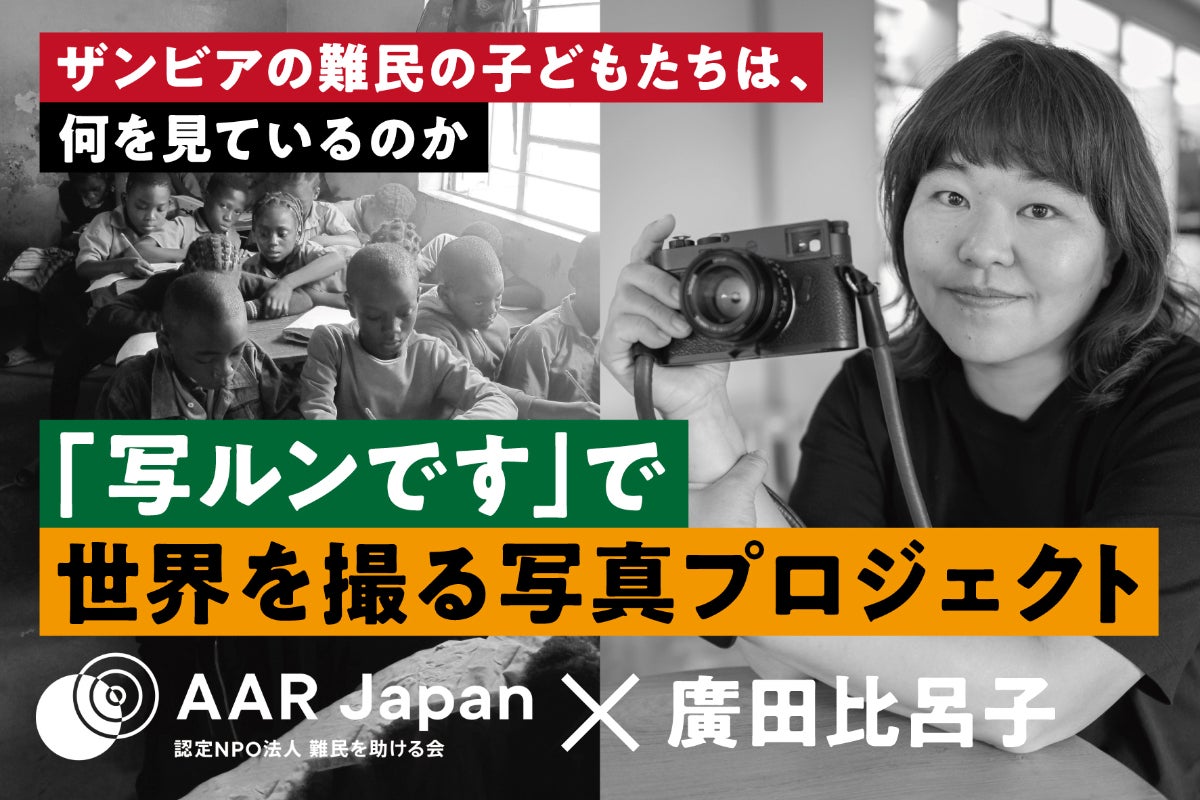
ザンビアの難民の子どもたちは、何を見ているのか
「写ルンです」で世界を撮る写真プロジェクト
AAR Japan [難民を助ける会] ✗ 廣田比呂子
はじめに
こんにちは、写真家の廣田比呂子と申します。
私は日本に住んでいる写真家です。これまで中央アジアや東南アジアを中心に写真を撮ってきました。
この度、AAR Japanの紹介でザンビアのメヘバ地区の難民居住地の写真を撮影し、6月20日の世界難民の日に合わせて東京都内で写真展を開催することになりました。
アフリカに行くのは私にとっても初めての経験でこれからどんな人や景色に出会えるのかワクワクしています。
難民の子どもたちは、本当に「かわいそう」なのでしょうか。
私たちはニュースや写真を通して、どこかでそう思ってしまうことがあります。
しかしそれは、本当に事実なのでしょうか。
もしかすると私たちは、自分たちのフィルターを通して世界を見ているのかもしれません。
私はこれまで、インドや東南アジアなどで写真を撮ってきました。
そこで出会った人々にはそれぞれの生活があり、笑ったり、楽しんだり、日々を生きていました。
ある時、私が撮ったインドの写真を見て二人の人がまったく違う感想を言いました。
一人は
「インドも豊かになりましたね」と微笑み
もう一人は
「こんなボロボロの服を着てかわいそう」と涙を流しました。
私はとても驚きました。
そこにあったのは、ただ人々の生活でした。
そのとき思いました、人はそれぞれのフィルターで世界を見ている。
それなら、そのフィルターを少し外してみたい。
そして今回、
その視点を私ではなく子どもたち自身に撮ってもらおうと考えました。
プロジェクト内容
このプロジェクトでは
ザンビア北西部の メヘバ難民居住地 に暮らす子どもたちに「写ルンです」を渡します。
子どもたちがそれぞれの自分の視点で
• 家族
• 友達
• 日常
• 好きな場所
• 大切なもの
を写真家廣田比呂子と一緒に撮影します。
撮影されたフィルムは日本に持ち帰り現像し、
2026 年 6 月 20 日(世界難民の日)に写真展として発表します。
展示会場は東京都内を予定しています。
なぜ「写ルンです」なのか
このプロジェクトではデジタルカメラではなく
「写ルンです」を使います。
理由は二つあります。
一つは、シンプルで扱いやすいことです。
デジタルカメラの場合
• 充電
• 電池管理
• データ保存などが必要になります。
また誤ってデータを消してしまう可能性もあります。
その点「写ルンです」はとてもシンプルで子どもたちでも安心して使うことができます。
もう一つは写真の原点の体験です。
フィルムカメラは撮影枚数が限られています。
だからこそ一枚一枚を大切に撮る体験が生まれます。
そして写真は現像されるまで見ることができません。
その「待つ時間」も含めて写真の体験だと考えています。
このプロジェクトで伝えたいこと
このプロジェクトは
難民の子どもたちを
「被写体」にするプロジェクトではありません。
子どもたち自身が「世界を見つめる写真家」になるプロジェクトです。
彼らが見ている世界をそのまま日本へ、そして世界中に届けたいと思っています。
資金の使い道
廣田比呂子ザンビア渡航費(東京→ルサカ)+国内線移動、宿泊費、現地移動車両など 約50万円
「写ルンです」購入費+現像費 50個分 (約2800円 + 2500円 x 50個)約26万5000円
展示諸経費(プリント、パネル作成代)30万円
合計約110万円
スケジュール
2026年 5月中旬 廣田比呂子ザンビア渡航及び撮影
2026年 6月20日 世界難民の日 写真展開催(東京、渋谷予定)
最後に
「写ルンです」がちゃんと使えるか、無事に戻ってくるか不安な部分もありますが、
うまくいけば今まで見たことない写真が見れるかもしれません。
もし、いい写真がたくさん集まれば写真集を作ってみたいと思います。それは次のチャレンジです。
皆様の応援に感謝いたします。
The World Through Their Eyes
Photography Project with Refugee Children in Zambia
AAR Japan ✗ Hiroko Hirota
Introduction
Hello, my name is Hiroko Hirota, and I am a photographer based in Japan.
Over the years, I have photographed people and everyday life in Central Asia, India, and Southeast Asia. Wherever I went, I found something important: even in places that others might describe only through poverty or hardship, people were still laughing, playing, loving, and living their lives. This is my first experience to visit Africa, I am excited to meet new people and see new places.
This project began with a question:
Are refugee children really only “poor” or “pitiful”?
When we see images of refugees in the news, many of us unconsciously view them through a filter of sympathy. But is that the whole truth? Or are we only seeing what we expect to see?
Some time ago, two people looked at the same photograph I had taken in India. One person smiled and said,“India has become so much richer.”
The other looked at the same image and said with tears,“How sad… those children look so poor.”
I was shocked.
The photograph itself had not changed.What changed was the filter through which it was seen.
That moment stayed with me. It made me wonder:
What would happen if we could remove our filter, even for a moment?What would happen if refugee children could show us their own world, with their own eyes?
That is why I created this project.
About the Project
Through this project, children living in the Meheba refugee settlement in northwestern Zambia will be given disposable cameras.
Instead of being photographed by others, they will become the photographers.
They will capture what matters to them:
their families
their friends
their daily lives
their favorite places
the things they love and want to remember
I will photograph alongside them, but the most important images will be the ones they take themselves.
The films will be brought back to Japan, developed, and presented in a photo exhibition on June 20, 2026 — World Refugee Day in Tokyo.
Why Disposable Cameras?
This project uses disposable film cameras instead of digital cameras for two important reasons.
First, they are simple.
Digital cameras require charging, battery management, and data storage. Images can also be accidentally deleted. Disposable cameras are easy to use, even for children, and let them focus only on seeing and photographing.
Second, film changes the way we look.
With a limited number of shots, every frame becomes precious. Children must pause, choose, and press the shutter with intention. And because the images cannot be seen immediately, there is also a beautiful sense of waiting — of not knowing exactly what has been captured until the film is developed.
That waiting is part of the magic of photography.
What This Project Hopes to Share
This is not a project that turns refugee children into objects of pity.
This is a project that allows them to become the ones who look, choose, and tell.
They are not just subjects in front of a camera.They are photographers.They are witnesses to their own lives.They are children with their own humor, affection, curiosity, memories, and beauty.
I want to bring the world they see to Japan — not the world we imagine for them, but the world they actually live in.
Perhaps their photographs will surprise us.Perhaps they will challenge our assumptions.Perhaps they will show us joy where we expected only sadness.
And perhaps, by seeing through their eyes, we can learn to see more honestly ourselves.
How the Funds Will Be Used
Your support will help make this project possible.
Travel expenses to Zambia(Tokyo–Lusaka flights, domestic transportation, accommodation, local travel, etc.)
Approx. ¥500,000
50 disposable cameras and film development costs
(Approx. ¥2,800 + ¥2500 × 50)
Approx. ¥265,000
Exhibition expenses in Tokyo(prints, panel production, display costs, etc.)
Approx. ¥300,000
Total Approx. ¥1,100,000
Schedule
Mid-May 2026 Hiroko Hirota Travel to Zambia and carry out the photography project
June 20, 2026 — World Refugee DayPhoto exhibition in Tokyo (planned in Shibuya)
Final Message
To be honest, there are uncertainties.
Will the children be able to use the cameras well?
Will all the cameras come back safely?
Will the photographs turn out the way we hope?
I have no idea what result will be.
But that is also why this project matters.
Because if it works, we may see something we have never seen before
:the world as refugee children see it, in their own images, through their own hands.
Not images made about them.
Images made by them.
And if many powerful photographs emerge,
I hope this project can grow into a photo book as well, so that their voices and visions can travel even further.
I would be deeply grateful for your support in helping bring these children’s perspectives into the world.
Thank you for your interest and your help my dream come true.
最新の活動報告
もっと見る
写真展のお知らせ
2026/06/02 14:09こちらの活動報告は支援者限定の公開です。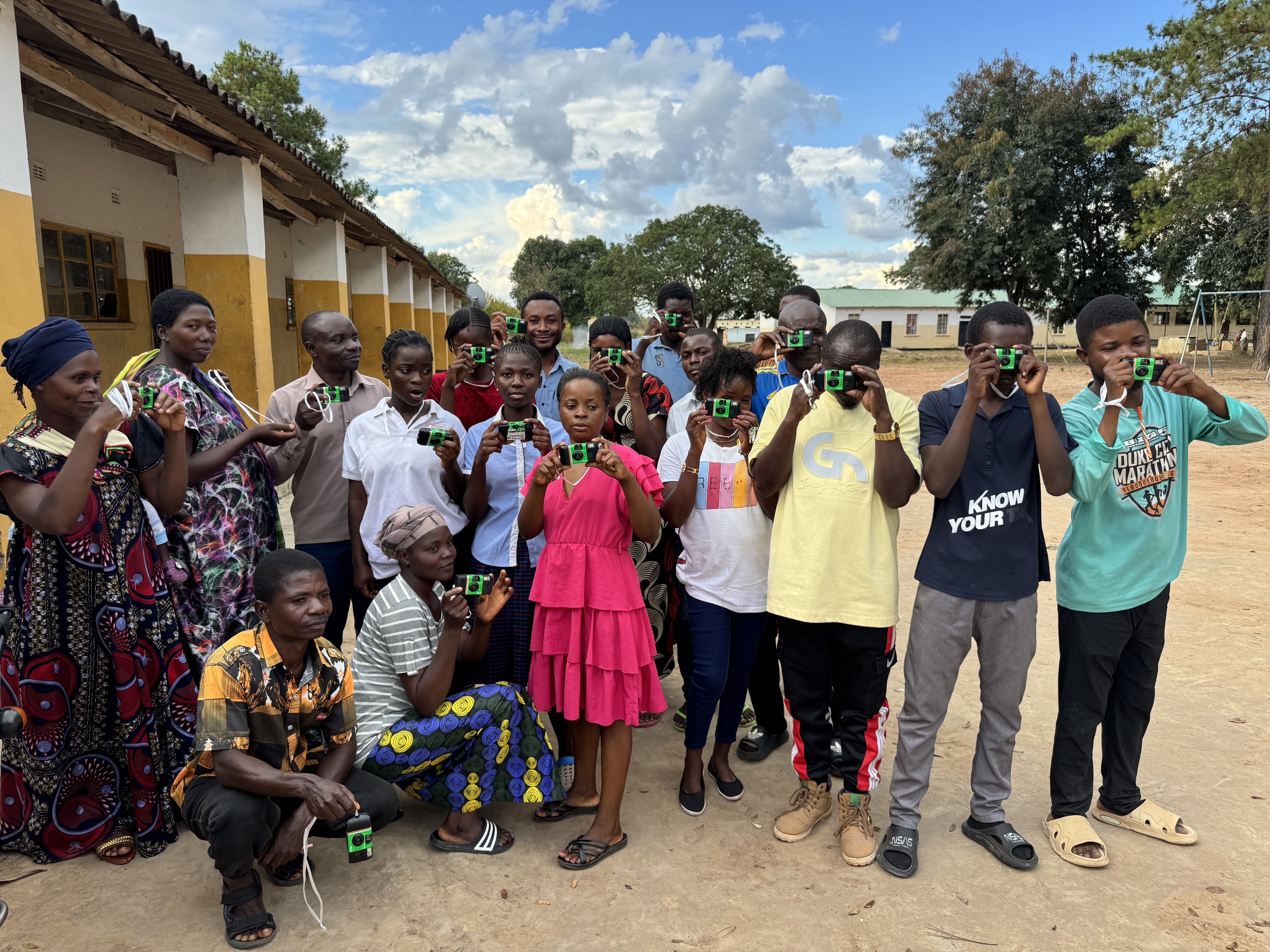
英語を学ぶみなさんを訪問しました
2026/05/14 15:37英語を学ぶ15歳から40代の方々を訪問しました。こちらでは週3回半年間英語を学びます。赤ちゃんを背負ったお母さんかから若い青年まで真剣に学んでいます。英語ができると世界が広がります。仕事の幅も増え収入も増えるので家族のためにみなさん頑張っています。20人の方に写ルンですをお渡しし無事に回収することができました。どんな世界が映っているのか楽しみです。 もっと見る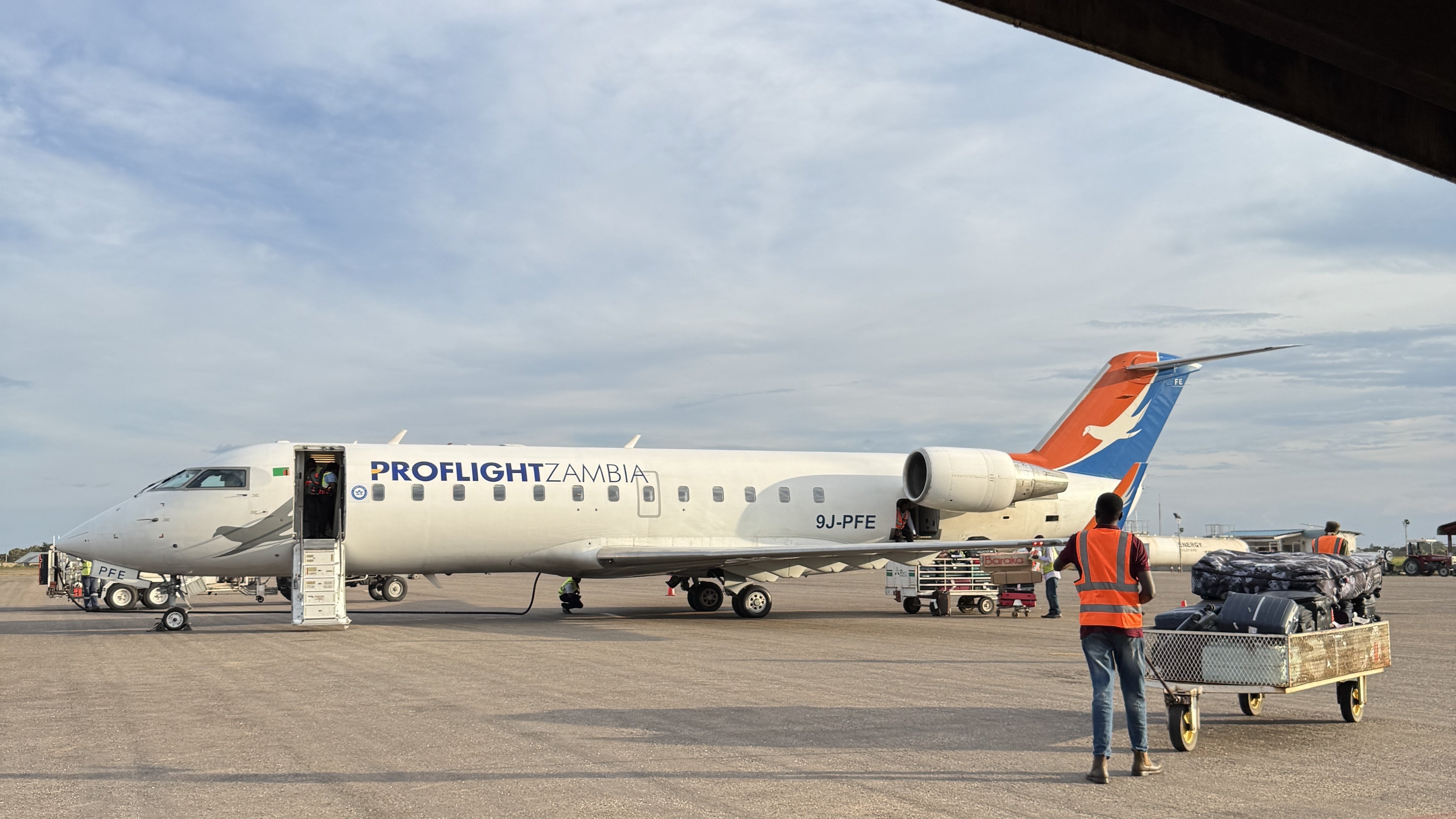
ザンビアに到着しました!
2026/05/11 03:15おかげさまで、目標額の半分に達成しました!ご支援いただいた皆様ありがとうございました。引き続き応援よろしくお願いいたします。5月8日ザンビアに向けて出発しました!成田→仁川→アディスアベバ→ルサカまで約24時間ザンビアの首都ルサカで一泊してルサカからソルウェジに移動しました5月11日にAARの方と合流してメヘバ地区に移動します。現地の方に配布する写ルンですを準備中です。さて、どうなるか楽しみです。わたしのInstagram@hirokohirotaもあわせてご覧ください、 もっと見る





コメント
もっと見る