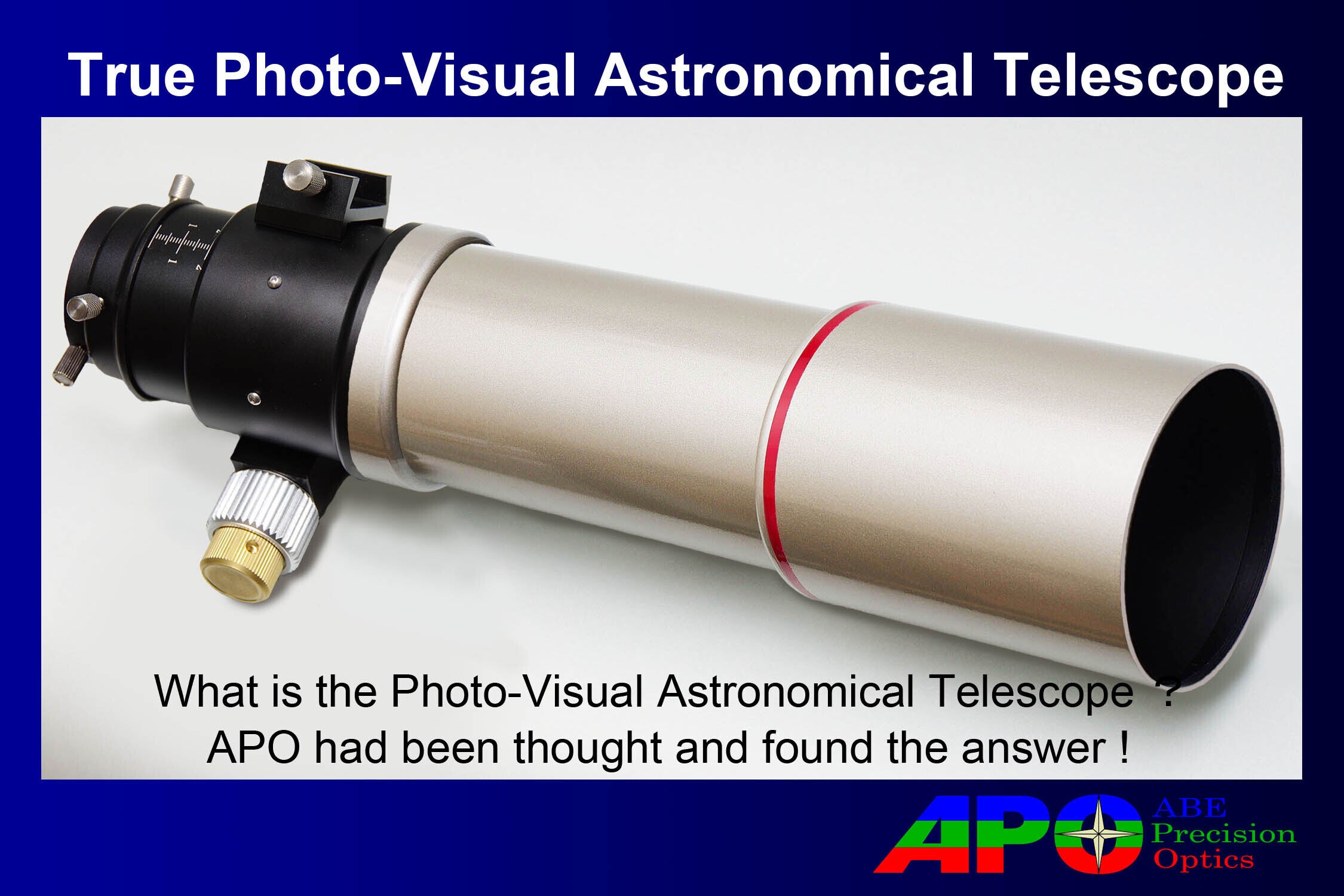
I had not previously explained the concept of the DF66 system, so allow me to elaborate.
The DF66 system's concept is not merely a compact astronomical telescope, but rather the ambitious endeavor to recreate the PENTAX 125SDP for the digital age.
The 125SDP achieved advanced optical performance compatible with modern digital photograp, yet it was fundamentally a photographic telescope designed for capturing images on the large 6x7 format film.
However, in this era dominated by digital cameras, full-frame cameras are mainstream, and their image size is exactly half of 6x7 format. This means that to capture the same image on full-frame as the 125SDP's 800mm focal length, 400mm focal length is the best. (The effective aperture was set to 66mm, slightly larger than half of 125.)
Moreover, the ability to adopt a doublet fluorite apochromat as the objective lens, capable of maximizing visual performance, is a significant benefit of downsizing to a 400mm focal length.
While a doublet design would exhibit excessive aberrations at 125mm effective diameter and 800mm focal length—hence the 125SDP employs a four elements configuration. Though at 400mm focal length doublet design can achieve excellent aberration correction.
Additionally, as mentioned in the main project text, doublet design offers advantages over a four-element design regarding error factors.
Many may wonder about visual at 6.6cm telescope, but I will encourage strongly to see the Moon and planets at magnifications exceeding 200x. You will be surprised to discover that this small aperture should never be underestimated.
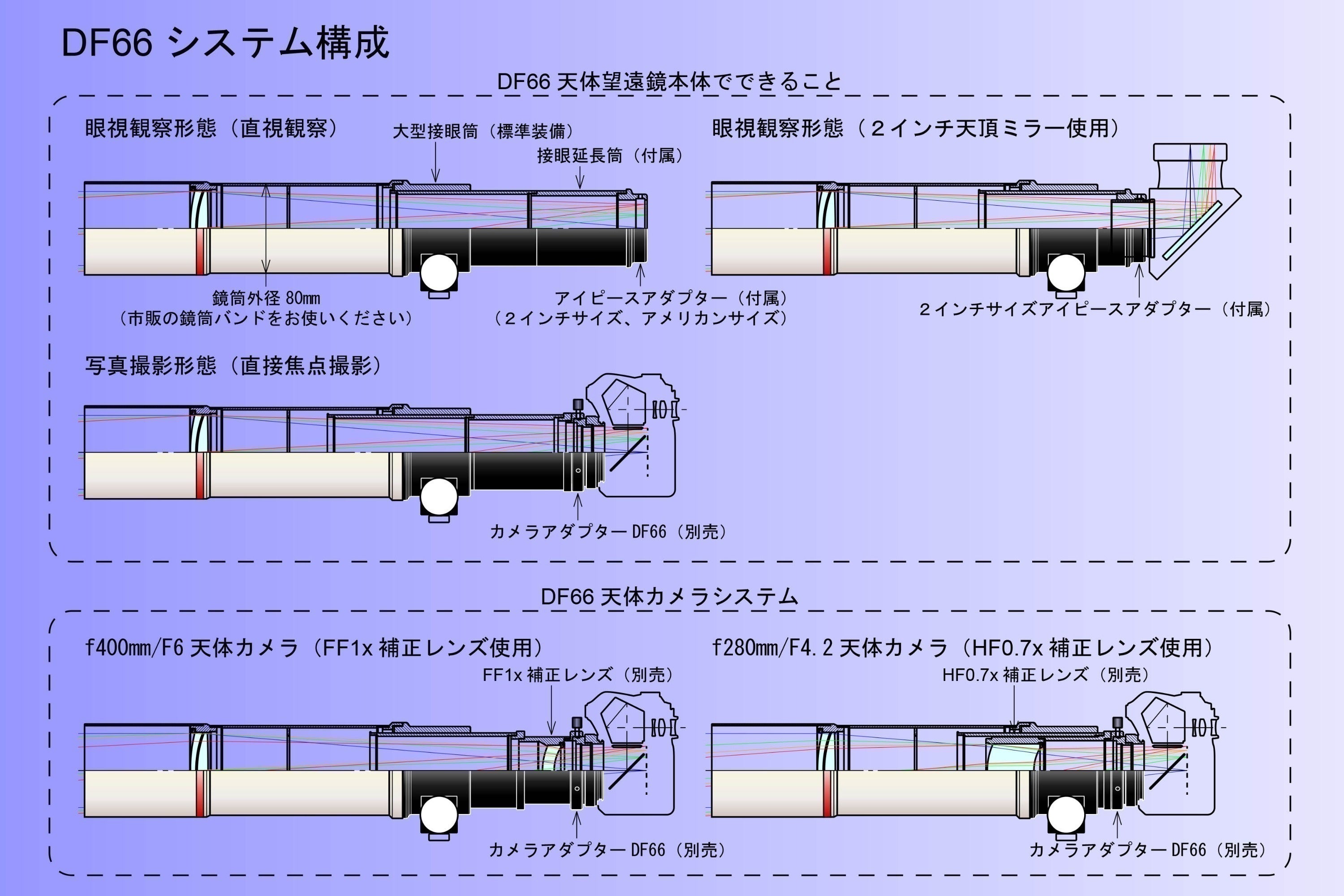
The 125SDP's performance was achieved using the DF66 objective lens and FF1x corrector lens.
And additionary the HF0.7x corrector lens introduced 280mm F4.2 variant. This means an astrograph comparable to the PENTAX 100SDUF can be realized simply by the corrector lens.
With the DF66 system, please try to use both the 132SDP and 132SDUF.
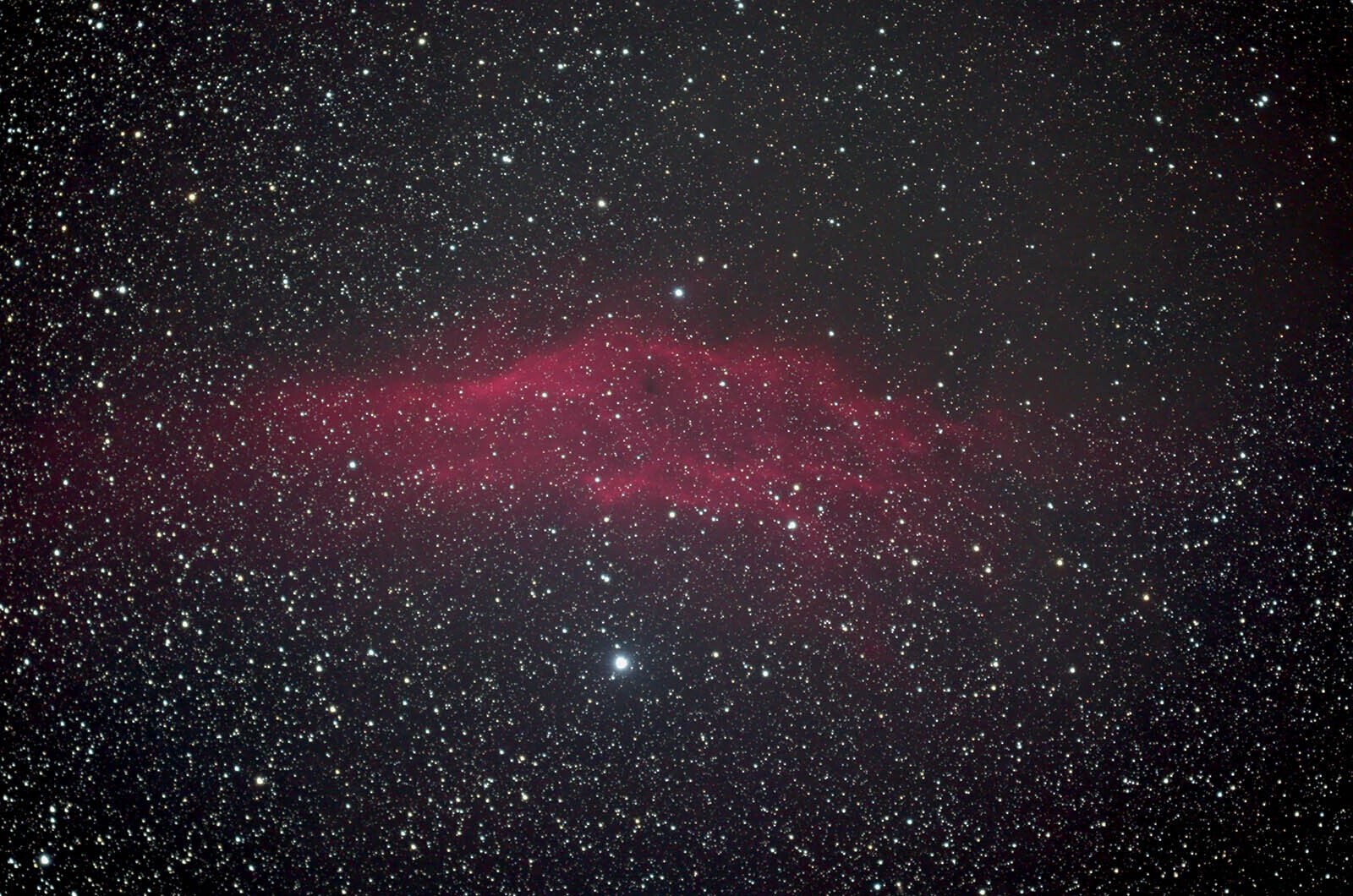
Below images are equivalent angle to an APS-C camera. The DF66 system is not only for wide-angle with 645 digital but also for enlarged image.
These images should give you an idea similar to those once captured with the PENTAX 125SDP, so I hope you can grasp the concept of reproducing the 125SDP experience.
Andromeda Galaxy M31 DF66+FF1x (APS-C equivalent image cropped from 645 digital)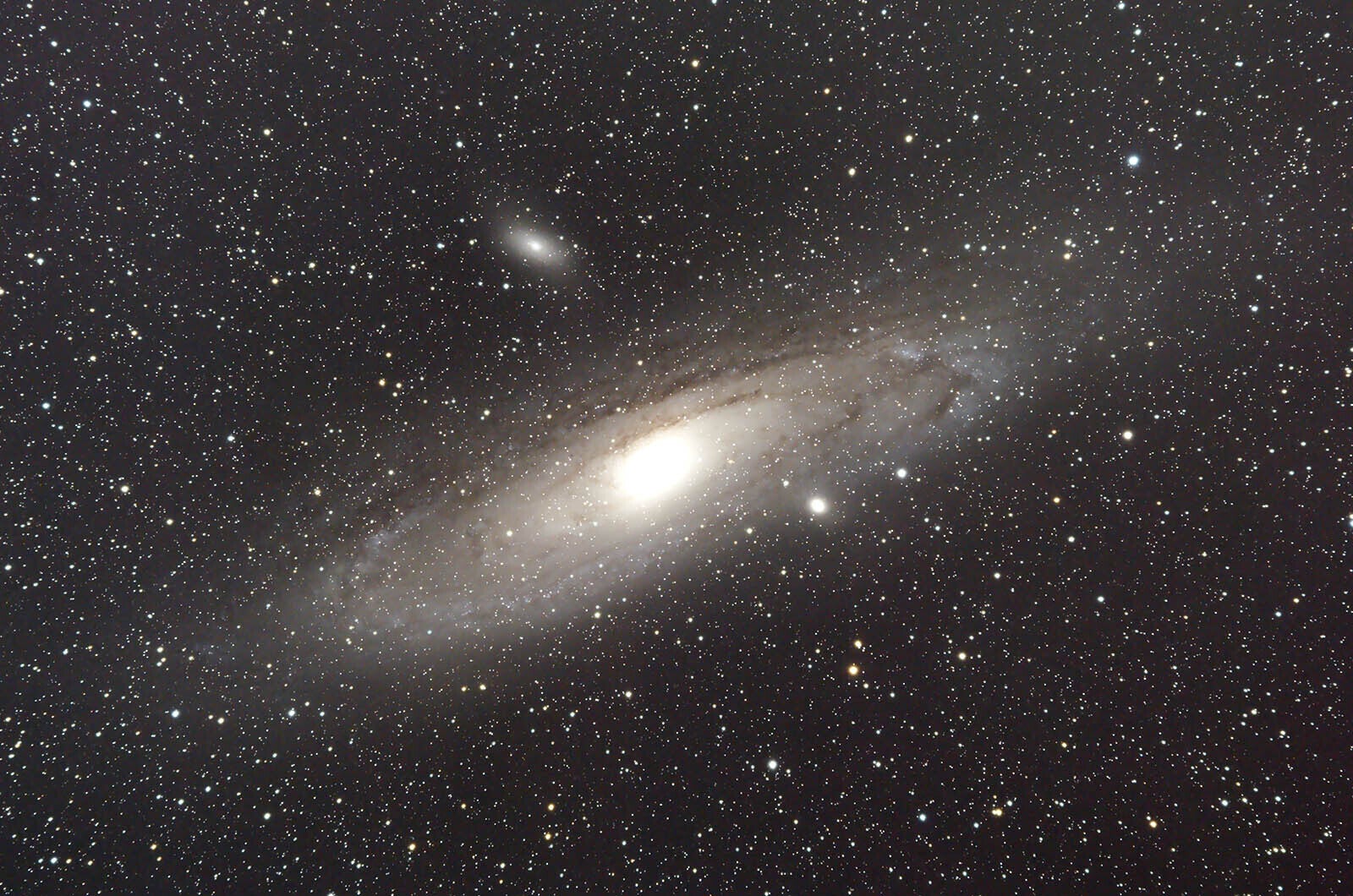
California Nebula DF66+HF0.7x (APS-C equivalent image cropped from 645 digital)