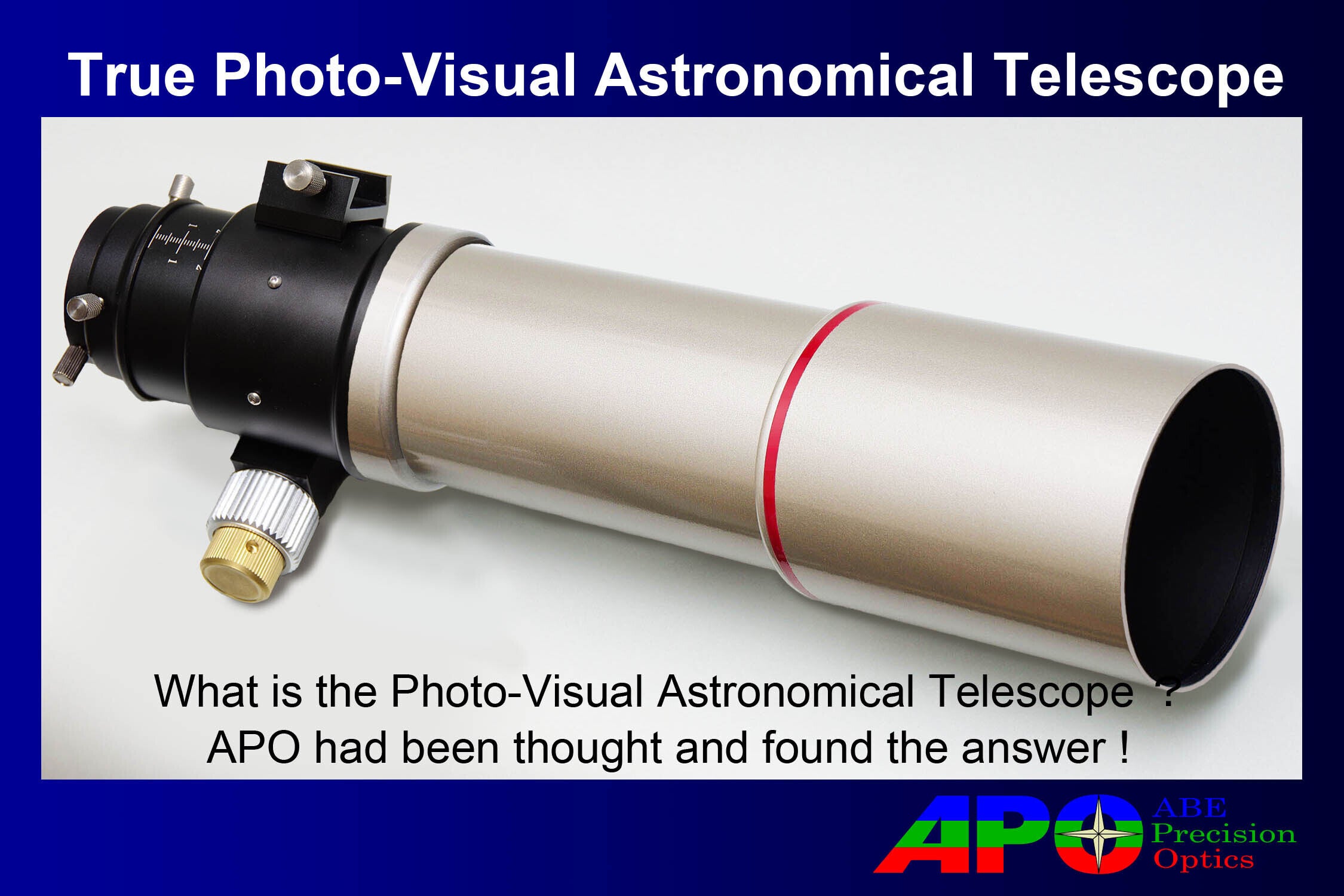
有効口径66mmフローライトアポクロマート天体望遠鏡DF66システム

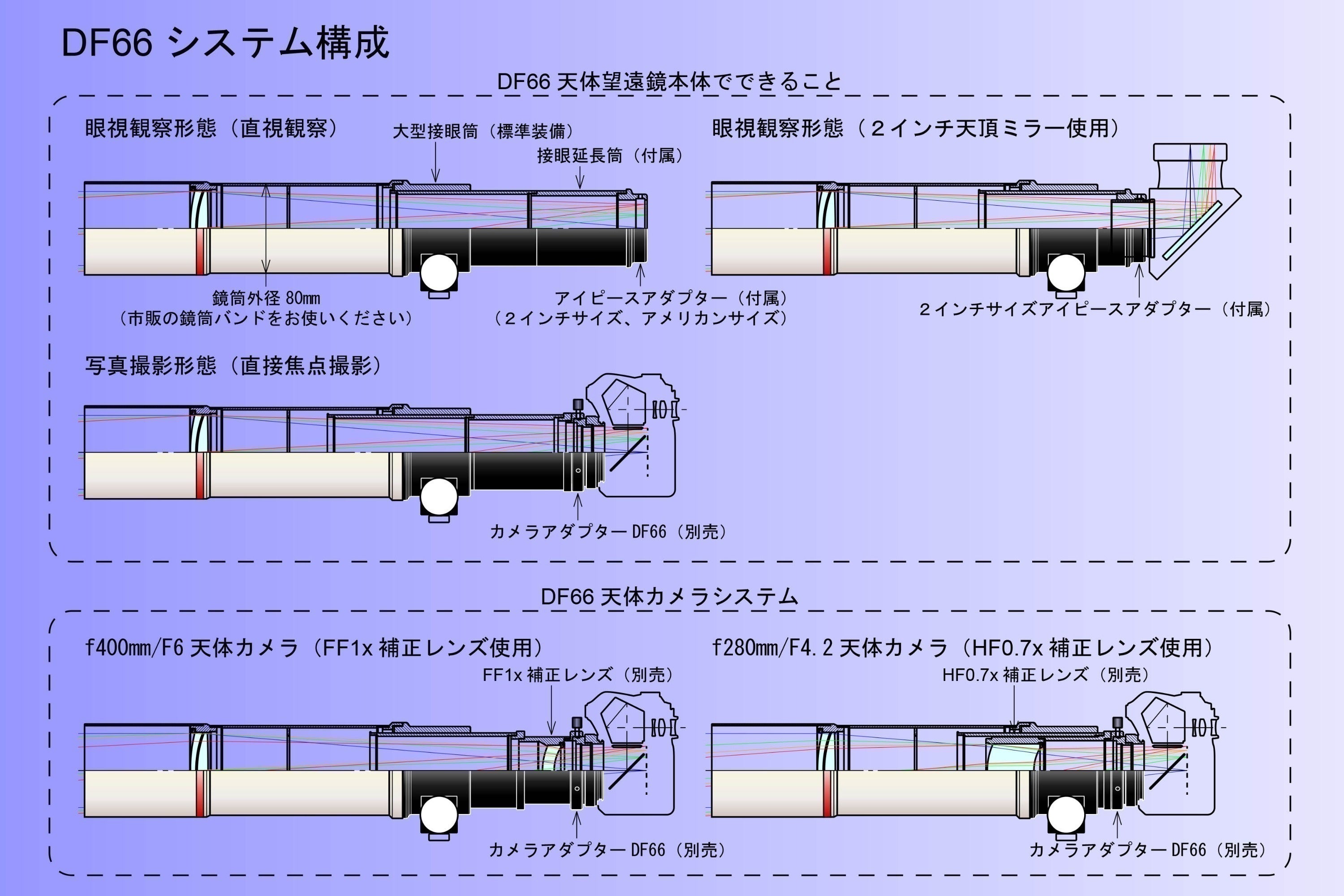
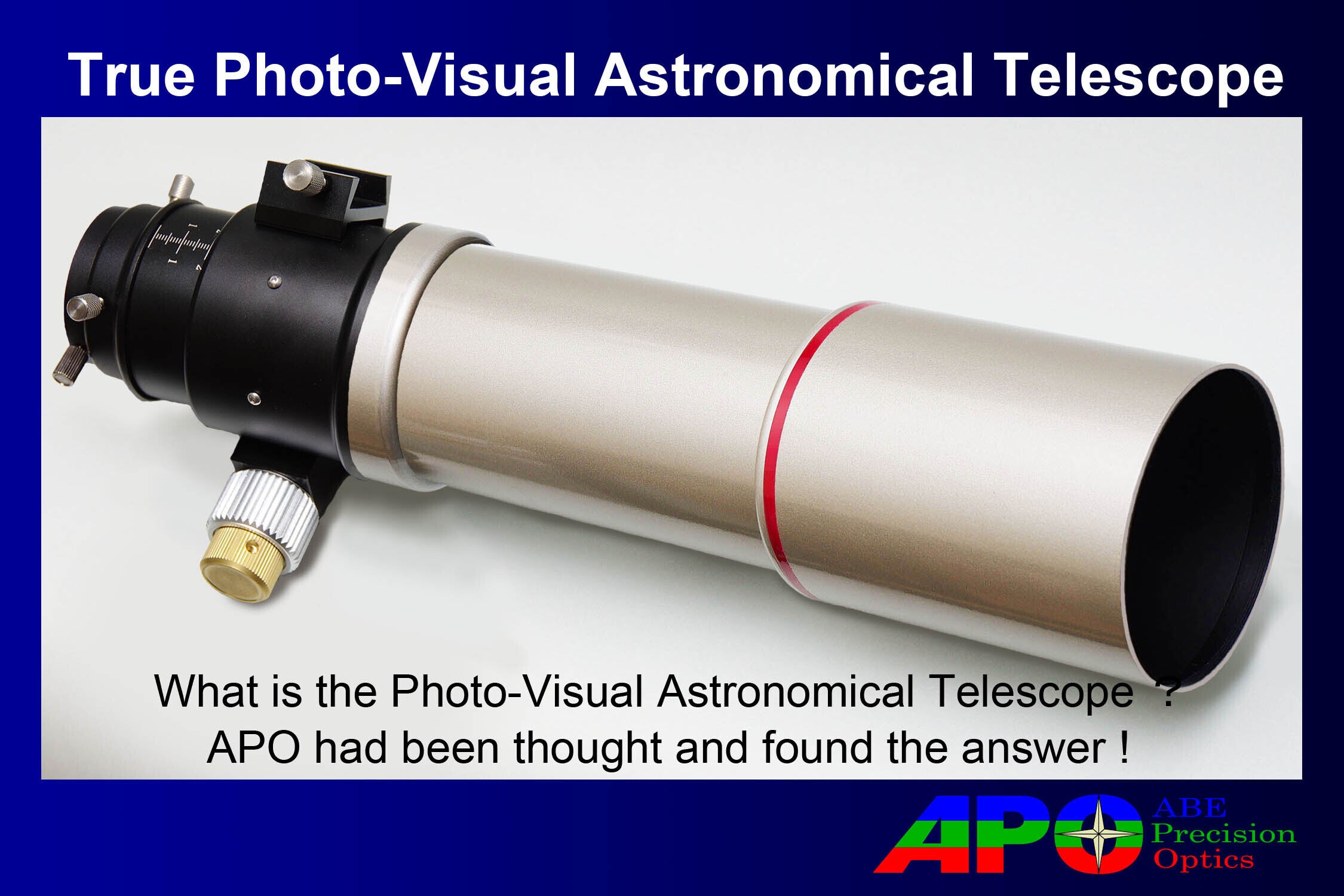
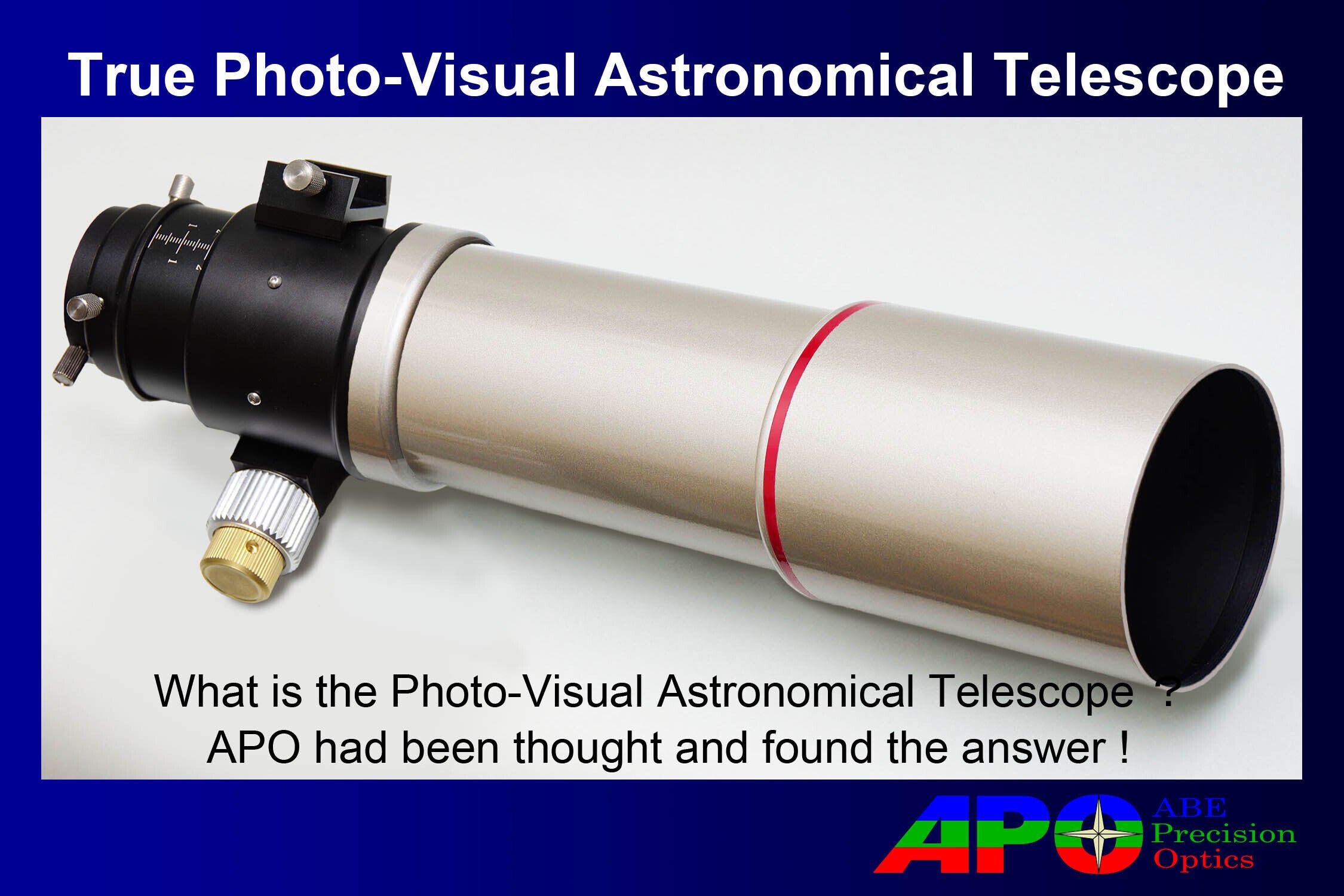
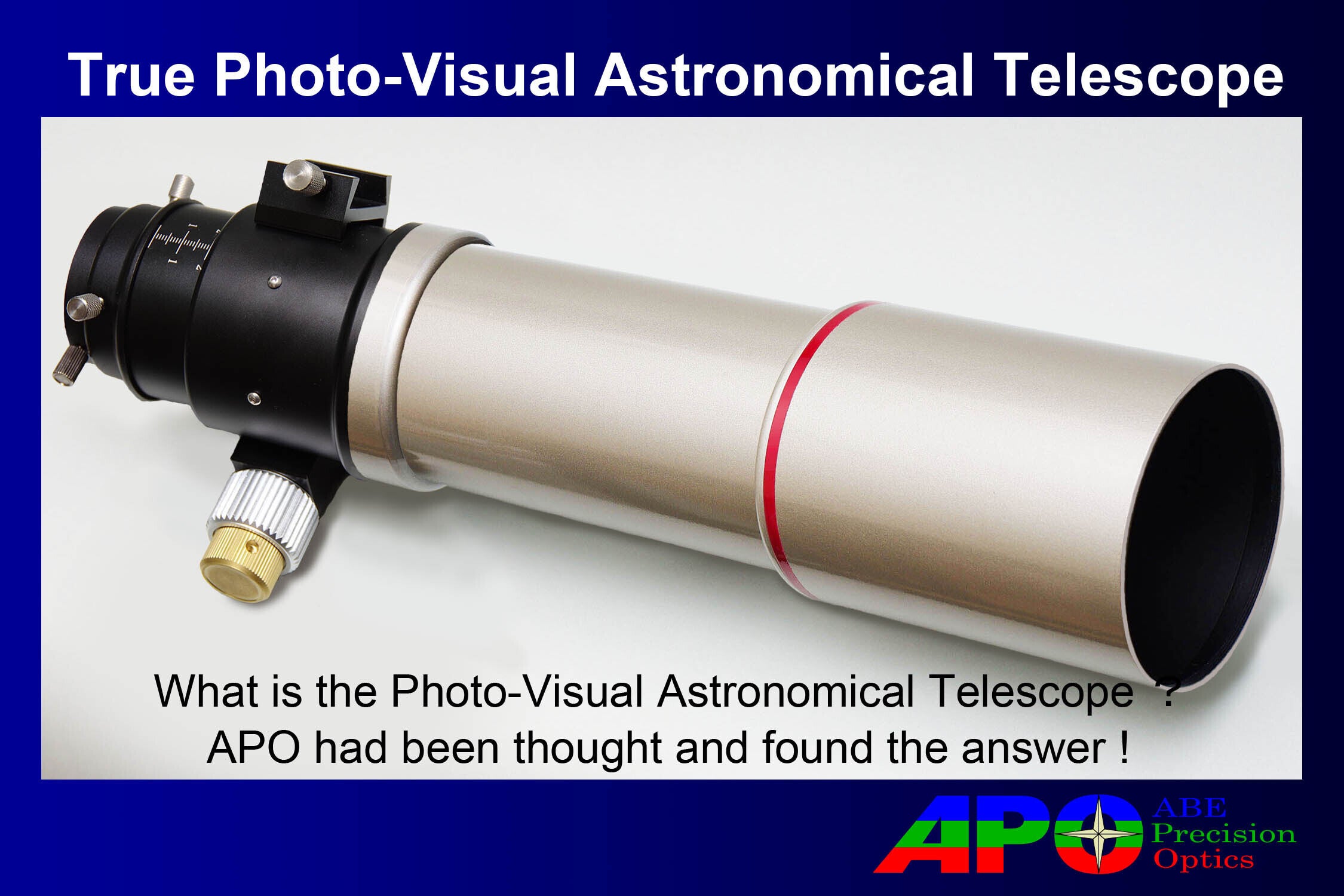
DF66天体望遠鏡システムは、有効口径66mmのフローライト(蛍石結晶)アポクロマート対物レンズを採用した高性能な天体望遠鏡と、高度な光学設計による高性能な補正レンズを組み合わせることで、高い眼視観察性能と写真撮影性能を両立するフォトヴィジュアル天体望遠鏡です。

現在の支援総額

691,000

17%

目標金額は4,000,000円

支援者数

2

募集終了まで残り

終了

このプロジェクトは、2025/11/21に募集を開始し、 2026/01/10に募集を終了しました

有効口径66mmフローライトアポクロマート天体望遠鏡DF66システム

現在の支援総額

691,000

17%達成

終了

目標金額4,000,000

支援者数2

このプロジェクトは、2025/11/21に募集を開始し、 2026/01/10に募集を終了しました

DF66天体望遠鏡システムは、有効口径66mmのフローライト(蛍石結晶)アポクロマート対物レンズを採用した高性能な天体望遠鏡と、高度な光学設計による高性能な補正レンズを組み合わせることで、高い眼視観察性能と写真撮影性能を両立するフォトヴィジュアル天体望遠鏡です。

このプロジェクトを見た人はこちらもチェックしています

このプロジェクトの募集終了まで残すところあと僅かとなりましたが、これまでにご支援いただきました金額は目標に達しておりません。そこで、閲覧いただいている皆様の背中を押させていただきたいと思います。DF66システムにつきましては、これまで眼視性能と645デジタルに対応する広画角の写真撮影にフォーカスしてアピールさせていただきましたが、それだけではありません。DF66システム開発の発端が2018年の北米大陸横断皆既日蝕であったことは本文で述べた通りですが、それは元々のコンセプト(PENTAX 125SDPの1/2)から決めた焦点距離400mmをフルサイズカメラで撮影したときの画角が、外部コロナを撮影するのに最適と考えたためでもあります。2024年4月8日 アメリカ日蝕での外部コロナ(DF66+FF1x フルサイズをノートリミング)この画像はニコンZ6IIボディを使用し、ISO200で1/2000、1/500、1/125、1/30、1/8、1/2、2secの7段階のシャッタースピードで撮影した画像を合成したものですが、外部コロナがフルサイズ画面一杯に広がっているのがわかります。画像を右クリックして「名前を付けて画像を保存」すると、オリジナルサイズの画像を見ることができます。画像を拡大して見ると画像処理のアラが見えてお恥ずかしいのですが、周辺でも星が点像として写っているのがわかります。このため、外部コロナの微細な流線も写し出すことができるのです。皆既日蝕では、周辺像の他にもう一つ気になることがありました。それは皆既前後のダイヤモンドリングにゴーストや不自然な光芒が写っている画像を目にする機会が多いことです。皆既日蝕のような滅多にないチャンスでそのような画像が撮れてしまうと落胆も大きいと思いますので、当初からそれは解決しなくてはならない重要課題と考えておりました。DF66システムの光学系は、そのようなゴーストやフレアを光学設計の工夫と高品質なマルチコーティングの採用によって極限まで抑えることに成功しております。同 ダイヤモンドリング(DF66+FF1x フルサイズをノートリミング)これはニコンZ6IIのjpeg(Fine☆)出力画像ですが、画面のどこにもゴーストやフレアがなく、太陽光の明るい部分にも不自然な光芒が広がっていないことに注目してください。この画像をトリミングしたものがタイトル画像になります。実は私にとって初めて皆既日蝕の撮影に成功したのが、2024年4月8日のアメリカ テキサス州オースティンでの撮影でした。DF66試作機では星野写真は撮影しておりましたが、明暗差の大きな皆既日蝕の撮影がどうなるかは未知の部分もありましたので、当初の計画通りにプロミネンスから外部コロナ、更にはダイヤモンドリングまでもが綺麗に写せたことに無上の喜びを感じました。この経験があるからこそ、DF66システムを自信を持ってお勧めすることができるのです。DF66システムの値段は他社製品より割高と思われるかもしれませんが、弊社のような駆け出し企業では量産効果が出せませんので、この値段は現状で精一杯なことをご了承ください。ですが、これまでご説明させていただきましたとおり、高い眼視性能と写真撮影性能を確保していること、製造誤差を極力排除して当たり外れのない高品質を得ていること、ゴーストやフレアのない高画質を得ていることなどをご理解いただいて、この値段の意義をご判断いただけますと幸いです。


I had not previously explained the concept of the DF66 system, so allow me to elaborate.The DF66 system's concept is not merely a compact astronomical telescope, but rather the ambitious endeavor to recreate the PENTAX 125SDP for the digital age.The 125SDP achieved advanced optical performance compatible with modern digital photograp, yet it was fundamentally a photographic telescope designed for capturing images on the large 6x7 format film.However, in this era dominated by digital cameras, full-frame cameras are mainstream, and their image size is exactly half of 6x7 format. This means that to capture the same image on full-frame as the 125SDP's 800mm focal length, 400mm focal length is the best. (The effective aperture was set to 66mm, slightly larger than half of 125.)Moreover, the ability to adopt a doublet fluorite apochromat as the objective lens, capable of maximizing visual performance, is a significant benefit of downsizing to a 400mm focal length.While a doublet design would exhibit excessive aberrations at 125mm effective diameter and 800mm focal length—hence the 125SDP employs a four elements configuration. Though at 400mm focal length doublet design can achieve excellent aberration correction.Additionally, as mentioned in the main project text, doublet design offers advantages over a four-element design regarding error factors.Many may wonder about visual at 6.6cm telescope, but I will encourage strongly to see the Moon and planets at magnifications exceeding 200x. You will be surprised to discover that this small aperture should never be underestimated.The 125SDP's performance was achieved using the DF66 objective lens and FF1x corrector lens.And additionary the HF0.7x corrector lens introduced 280mm F4.2 variant. This means an astrograph comparable to the PENTAX 100SDUF can be realized simply by the corrector lens.With the DF66 system, please try to use both the 132SDP and 132SDUF.Below images are equivalent angle to an APS-C camera. The DF66 system is not only for wide-angle with 645 digital but also for enlarged image.These images should give you an idea similar to those once captured with the PENTAX 125SDP, so I hope you can grasp the concept of reproducing the 125SDP experience.Andromeda Galaxy M31  DF66+FF1x (APS-C equivalent image cropped from 645 digital)California Nebula  DF66+HF0.7x (APS-C equivalent image cropped from 645 digital)


Spot Diagram for the DF66 SystemSpot diagrams are frequently seen in promotional materials for photographic telescopes.However, spot diagrams can give vastly different impressions depending on how they are presented, and it will be difficult to understand how to interpret them. Therefore, I think viewing actual sample images is better than spot diagrams to understand performance.Please compare the spot diagram below with sample images to assess the photographic performance of the DF66 system.DF66 System Practical Application ExampleWhile I am deeply embarrassed to show others these images due to the crude nature of everything from shooting to image processing, I believe it is important to evaluate the degree of point spread compare with a spot diagram, so I am posting them.I hope that those who become users will be able to take many beautiful photographs.M45 taken by DF66 + FF1x (Photographed with Full-Frame Digital SLR Camera)NGC7000 taken by DF66 + HF0.7x (Photographed with Full-Frame Digital SLR Camera)Double cruster taken by DF66 + FF1x (photographed by 645 mirrorless digital camera)Next is pixel-to-pixel resolution image above shown red dashed box (270x180 pixels)Central area of Orion taken by DF66+FF1x (photographed by 645 mirrorless digital camera)Double cruster taken by DF66 + HF0.7x (photographed by 645 mirrorless digital camera)Next is pixel-to-pixel resolution image above shown red dashed box (270x180 pixels) .Central area of Orion taken by DF66 + HF0.7x (photographed by 645 mirrorless digital camera)This is also reduced 8K version (5775x7680 pixels)Background of Project LaunchThe DF66 system project began in pursuit of the ideal portable system telescope for the 2018 total solar eclipse visible across the North American continent.While at PENTAX, a compact 7.5cm telescope had been sold. DF66 had been envisioned system as an evolution of that portability and expandability, but production costs were based on PENTAX's capabilities at the time.However, upon actually examining production feasibility, costs for aluminum tubing and machining had been increased dramatically caused of rising prices and a weaker yen  over a decade after my time at PENTAX.This made the DF66 system's projected price far exceed expectations, leading to the project's abandonment.After about seven years of relentless effort examining production for the DF66 system, a realistic path to offering it at a feasible cost have been in sight.Furthermore great hope had given to achieve this without compromising any performance or functionality.So I decided to launch this project to enable many of you to experience the DF66 system.Current Preparation StatusThe high optical performance of the prototype lenses developed for the 2018 launch has been confirmed.Lenses for 45 set objective lens and 27 sets each of two types of corrector lens have been completed.Mechanical designs for lens frames and tubes are complete. I have secured metalworking partners and established production systems for assembling and adjusting telescopes and corrector lenses, as well as packaging.I will immediately begin preparing returns once the project is successfully funded.About Returns☆ DF66 Astronomical Telescope Main Unit・Effective aperture: 66mm, focal length: 400mm, F6・Features a high-performance doublet fluorite apochromatic objective lens with a fluorite crystal lens in the rear element ・Full multi-coating prevents ghosting and flare while achieving high light transmission・Front multi-coating uses fluorine coating to resist smudges and facilitate easy cleaning and wiping・Two objective lenses are high-precision Canon Optron products (lens grinding and coating processes outsourced)・Features a large 61mm inner diameter draw tube, enabling vignette-free photography even with 645 format digital cameras・Combining the FF1x and HF0.7x corrector lenses transforms it into two different astro cameras: 400mm F6 (FF1x) and 280mm F4.2 (HF0.7x)・Tubus outer diameter: 80mm (compatible with a wide variety of commercially available tube bands)・Overall length: 345mm, Weight: 1500g (excluding accessories)・Includes eyepiece extension tube, 2-inch eyepiece adapter, American-size eyepiece adapter, etc.☆ FF1x (Field Flattener 1x) Corrector Lens・Forms 400mm F6 Astrograph when mounted on the DF66 tube・Lens configuration: 1 group, 2 elements・Effectively corrects field curvature of the DF66 objective lens・Effectively corrects coma aberration and lateral chromatic aberration to achieve high resolution・Delivers high image quality with excellent clarity, free from ghosting and flare・Achieves high transmittance through full multi-coating・Ensures a wide image circle compatible with 645 digital cameras☆ HF0.7x (Highspeed Flattener 0.7x) Corrector Lens・Forms 280mm F4.2 Astrograph when mounted on the DF66 tube・Lens configuration: 3 groups, 4 elements・Shorten the focal length of the DF66 objective lens by 0.7x while effectively correcting field curvature・Effectively corrects coma aberration and lateral chromatic aberration to achieve high resolution・Delivers high image quality with excellent clarity, free from ghosting and flare・Achieves high transmittance through full multi-coating・Ensures a wide image circle compatible with 645 digital cameras☆ Camera Adapter DF66・Adapter for mounting a camera on the DF66 lens barrel・Includes two types of inner tubes: a standard inner tube compatible with DSLR and mirrorless digital cameras (full-frame, APS-C, Four Thirds), and a large-diameter inner tube compatible with 645 mirrorless digital cameras・Features a camera rotation mechanism・Please purchase the appropriate camera mount separately from Tomytec Co., Ltd.'s BORG camera mount series for your specific camera model.*When using a Pentax 645 series camera, mount the BORG Camera Mount for Pentax 645 directly onto the FF1x lens barrel or the HF0.7x adapter.ScheduleJanuary 2026  Crowdfunding ends                              Arrange purchase of prefabricated parts, order custom partsApril 2026         Parts arrive, arrange assembly and adjustmentsMay 2026          Shipping returnsFinallyForty years have passed since a young astronomy enthusiast first became involved in optical design, constantly pondering what constitutes the ideal astronomical telescope. During that time, telescopes underwent a major paradigm shift from silver halide film to digital, while various optical systems rose and fell.Yet the celestial bodies in the sky remain unchanged, as they always have. And I believe the human desire to see and record their beautiful forms remains unchanged as well.The ideal telescope that fulfills this simple desire is not a fragile instrument whose short-lived pursuit of one-dimensional performance leads to a brief lifespan.It is one that maintains universally satisfying performance for years to come, never becoming obsolete.While the pursuit of such an ideal is endless, the DF66 system is one embodiment of it.I would be delighted if many of you could share this vision.


About Astronomical Telescope AberrationsChromatic aberration and spherical aberration in relation to astronomical telescopes should be heard offten.While I'll leave the deep technical details to the lens designers, I believe understanding their general meaning is valuable for appreciating astronomical telescopes.This explanation will be a bit lengthy, but I'd appreciate your patience.・About the Wavelength of LightVarious electromagnetic waves surround us, and those with wavelengths ranging from approximately 1 nanometer to 1 millimeter are what we call “light.”Among these, light with wavelengths ranging from around 400nm to 700nm—the range detectable by the human eye—is called "visible light".The human eye does not perceive the entire visible spectrum with equal brightness, exhibiting the sensitivity distribution shown by the blue and green curves in Figure 1.Furthermore, the human retina contains two types of photoreceptor cells. The photoreceptor cells with high resolution and strong color discrimination ability but low sensitivity exhibit a sensitivity distribution with a peak around 555nm, represented by the green curve. This is called "photopic vision".The other photoreceptor cells, which have lower resolution but higher sensitivity, exhibit a sensitivity distribution with a peak around 507nm, represented by the blue curve. This is called "scotopic vision".The human eye is quite insensitive to red light at the C-line (656nm) in photopic vision, and similarly, it is insensitive to brue light at the g-line (436nm) in scotopic vision. Therefore the human eye is insensitive to color, rather tolerant.On the other hand, the human eye's ability to distinguish subtle gradations of brightness is exceptionally high. Therefore, for visual telescopes, optical performance within the wavelength range from the F-line (486nm) to the d-line (588nm) in visible light is generally sufficient.But within this wavelength range, high contrast will be needed essentially.Previous photographic telescopes also prioritized optical performance in visible light because the film used to record images had a sensitivity distribution matching human visual sensitivity.However, imaging sensors like CCD and CMOS have high sensitivity across a broad wavelength range, as indicated by the red dashed line in Figure 1, and their pixel sizes have been miniaturized to levels unimaginable with film.The explosive proliferation of digital cameras using such imaging sensors in the 2000s led to significantly higher demands on the optical performance of astronomical telescopes.・Chromatic Aberration and Spherical AberrationFigure 2-a shows how light enters a single lens.Light entering from the left side of the figure converges at the focal point after passing through the lens. However, as the height of the incident ray (y) deviates from the optical axis, the point where the ray intersects the optical axis moves away from the focal point and closer to the lens.This is called spherical aberration and is represented by a spherical aberration diagram like Figure 2-b.The focal point shifts as the wavelength (i.e., color) changes. Since spherical aberration occurs at each wavelength, the spherical aberration diagram shows different curves for each wavelength.At this point, the base of the aberration curve shifts for each color. This indicates the shift in the focal point due to wavelength, called longitudinal chromatic aberration.A single lens composed of a spherical surface cannot eliminate spherical aberration or longitudinal chromatic aberration.However, an achromatic lens combining a convex and concave lens can cancel out both spherical aberration and longitudinal chromatic aberration.Figure 2-b shows the spherical aberration diagram for a fluorite single lens with a focal length of 400mm and an aperture of F6.Figure 2-d shows the spherical aberration diagram for the DF66 objective lens.As indicated by the scale (the numerical values at the bottom), the effect of the achromatic lens is extremely significant.On the other hand, Figure 2-d shows residual axial chromatic aberration despite correction; this residual aberration is called the secondary spectrum of longitudinal chromatic aberration.Additionally, the spherical aberration curve also varies with wavelength; this variation is called the chromatic gap of spherical aberration.The chromatic gap of spherical aberration increases as the wavelength becomes shorter; this is the cause of the blue halos that are so disliked in astrophotography.・Chromatic Aberration and Spherical Aberration in Astronomical TelescopesSince the human eye has difficulty perceiving colors with shorter wavelengths, traditional visual telescopes employed aberration correction that significantly diverged spherical aberration at the g-line.This was done to minimize variations in longitudinal chromatic aberration at wavelengths other than the g-line.On the other hand, for photographic telescopes, the advent of digital cameras made spherical aberration at the g-line a major issue, known as blue halo or purple fringe.Reducing spherical aberration at the g-line improves photographic performance, but this increases longitudinal chromatic aberration, creating a dilemma where achieving both photographic capability and visual quality becomes difficult.Recent astronomical telescopes have a trend toward  over 4 elements.Increasing the elements makes it easier to have minimize both longitudinal chromatic aberration and spherical aberration of g-line.However, in developing the DF66 objective lens, which demands high performance for both visual and photograph, there was non-negotiable factor.It was minimizing manufacturing errors to maintain high optical performance.Therefore, the DF66 system have aberration balance suitable for visual in the doublet objective lens itself.And the corrector lens has the function to transform this aberration balance, the combination of objective and corrector lens achieve aberration balance suitable for photograph.This allows DF66 system had to get higher optical performance for both visual and photograph.Manufacturing Tolerances in Astronomical TelescopesActual optical systems inevitably exhibit manufacturing tolerances, and the optical performance of a completed optical system will always deteriorate from its designed performance.And minimizing this deterioration is a critically important and challenging problem.Porishing processes introduce shape errors on lens surfaces.The leftmost portion of Figure 4 shows the actual shape with errors (red solid line) superimposed on the designed spherical surface (blue dashed line).While this shape is not always identical, experience suggests it often exhibits changes such as protruding outward and then recessing inward as one moves from the optical axis toward the periphery.In this example, the difference between the protrusion and indentation of the surface was set to 0.2λ (±0.1λ). In reality, a shape error of 0.2λ on an actual lens surface is considered quite high precision.The right side of Figure 4 shows the simulation results when this shape error is applied to all four surfaces of the DF66 objective lens.Although the design value yields an excellent point spread function when evaluated on e-line, applying errors to all four surfaces reduces the point spread function.As the number of elements increases, surface shape errors accumulate, further decreasing the point spread function.Another significant error factor affecting the optical system is decenter of lens.When mounting a lens into its frame, a gap is required between the lens and the frame. This gap allows the lens to shift, causing decenter.The left side of Figure 5 shows simulation results for the DF66 objective lens when its first element is decentered by 0.015 mm perpendicular to the optical axis.The diffraction image biased significantly.By designing the shape of the spacer inserted between the first and second lens so that its end face contacts the lens surface, the first lens decentered along its second surface rather than being decentered perpendicular to the optical axis. (This called a face contact structure and it used commonly in high-precision optical systems.)The simulation results for this state are shown on the right side of Figure 5. The face contact reduces the bias in the intensity distribution of the diffraction image.The DF66 objective lens employs a face contact structure for lens support, minimizing degradation of optical performance due to lens decenter.No matter how excellent the optical performance is in design, as the number of lens elements increases, manufacturing errors accumulate, leading to significant degradation in optical performance.This is why the DF66 objective lens insists on doublet.The two lenses comprising the objective lens were manufactured by Canon Optron, renowned for its high-precision lens processing.From lens polishing to coating, all processing was handled by Canon Optron, ensuring you can get this high-precision optical system for years to come.


The DF66 Astronomical Telescope System is a photo-visual telescope that combines a high-performance astronomical telescope featuring a 66mm effective aperture doublet fluorite apochromatic objective lens with a high-performance corrector lens based on advanced optical design.This combination achieves both high-quality visual and photographic performance.Self-IntroductionHello, I am Tetsuya Abe, Representative of Abe Precision Optics LLC.From 1987, I worked for 21 years at PENTAX Corporation (formerly Asahi Optical Co., Ltd.) engaged in optical design. In 2008, I became independent and established Abe Optical Laboratory, where I have continued to dedicate myself to optical design.Leveraging technologies honed at optical manufacturers, such as diffraction-limited optics and super-apochromatic design, I handle optical design for diverse equipment including semiconductor lithography and inspection systems, medical devices, digital cameras, projectors, and telescopes/binoculars.In the astronomical telescope field, I was responsible for the PENTAX SDP series, XL/XW eyepiece series, and BORG FL series telescopes, all of which have received high acclaim.Furthermore, I am an avid astronomy enthusiast who loves both visual and photograph of stars, a passion that began when I first saw Jupiter through a school telescope in fifth grade.That said, I remain an amateur at both visual and photograph. However, from the dual perspectives of both an astronomy fan and an optical designer, I constantly ponder what kind of optical system would be optimal for visual and photograph celestial objects like these.What I Aim to Achieve with This ProjectWhile many manufacturers release 6cm-class astronomical telescopes, I feel few products achieve a high level of performance in both visual and photograph.The DF66 system boasts high visual performance thanks to its doublet apochromatic objective lens using fluorite crystal lens.Additionally, when combined with dedicated corrector lenses, it delivers high performance astrograph and also provides a wide image circle with 645 digital cameras.While it can't compete on price with other manufacturers' products, the DF66 system's high performance should satisfy even veteran astronomy enthusiasts.Its compact tube is also ideal for mobile observing and overseas expeditions.For beginner astronomy fans, the price may be a significant hurdle, but once getting hands on it, it should be able to use it for many years to come.I hope many astronomy fans will experience the DF66 system.


新しいアイデアや挑戦を、アプリで見つけるcampfireにアプリが登場しました!
App Storeからダウンロード Google Playで手に入れよう
スマートフォンでQRコードを読み取って、アプリをダウンロード!