For English, please scroll down
1.眠る土地と、2つの課題
私たちがみなかみ町でヘーゼルナッツを植える土地は、もともと誰かが丹精込めて耕していた畑です。しかし農業者の高齢化と後継者の不在により、すでに数年間、手が入らないまま草と時間に任せられてきました。
これはこの土地だけの話ではありません。
農林水産省の統計によれば、2024年時点で日本の農業従事者の平均年齢は69.2歳。そのうち71.7%、約80万人が65歳以上です。農業に従事する人口は2000年の240万人から2024年には110万人へと、わずか24年間で半数以下に減少しました。このままのペースで進めば、2035年までに日本の農地の約3分の1(130万ヘクタール以上)が耕作者を失うと農林水産省は警告しています。
群馬県はこの問題が特に深刻な地域のひとつです。過去15年間で群馬県の耕作面積は24.1%減少。全国でも高い部類に入る数字です。みなかみ町の行政計画でも、農業者の高齢化・後継者不足による農地や農業用水路の保全活動の困難さが明記されています。山間部の農地放棄率は、平地の倍近い水準で進行しています。
もうひとつの課題は、輸入依存です。日本は年間約1万トンのヘーゼルナッツを輸入しており、そのうち約95%がトルコ産、残り約2~3%が米国、残りはその他の原産です。日本の菓子業界全体が、事実上トルコの一国に依存しているのが現状です。2024年には輸入価格が1年間で約25%も上昇し、1トンあたり約135万円にまで達しました。気候変動による生産量の不安定化、為替リスク、そして長距離輸送中に起こる酸化劣化。日本の菓子業界が直面する課題は、年々深刻さを増しています。
 みなかみハーベスト農園 予定地
私たちは、この2つの課題に向き合い、ひとつの答えをこの土地からつくりたいと考えました。
2.なぜヘーゼルナッツなのか
耕作放棄地の再生に、ヘーゼルナッツが適している理由
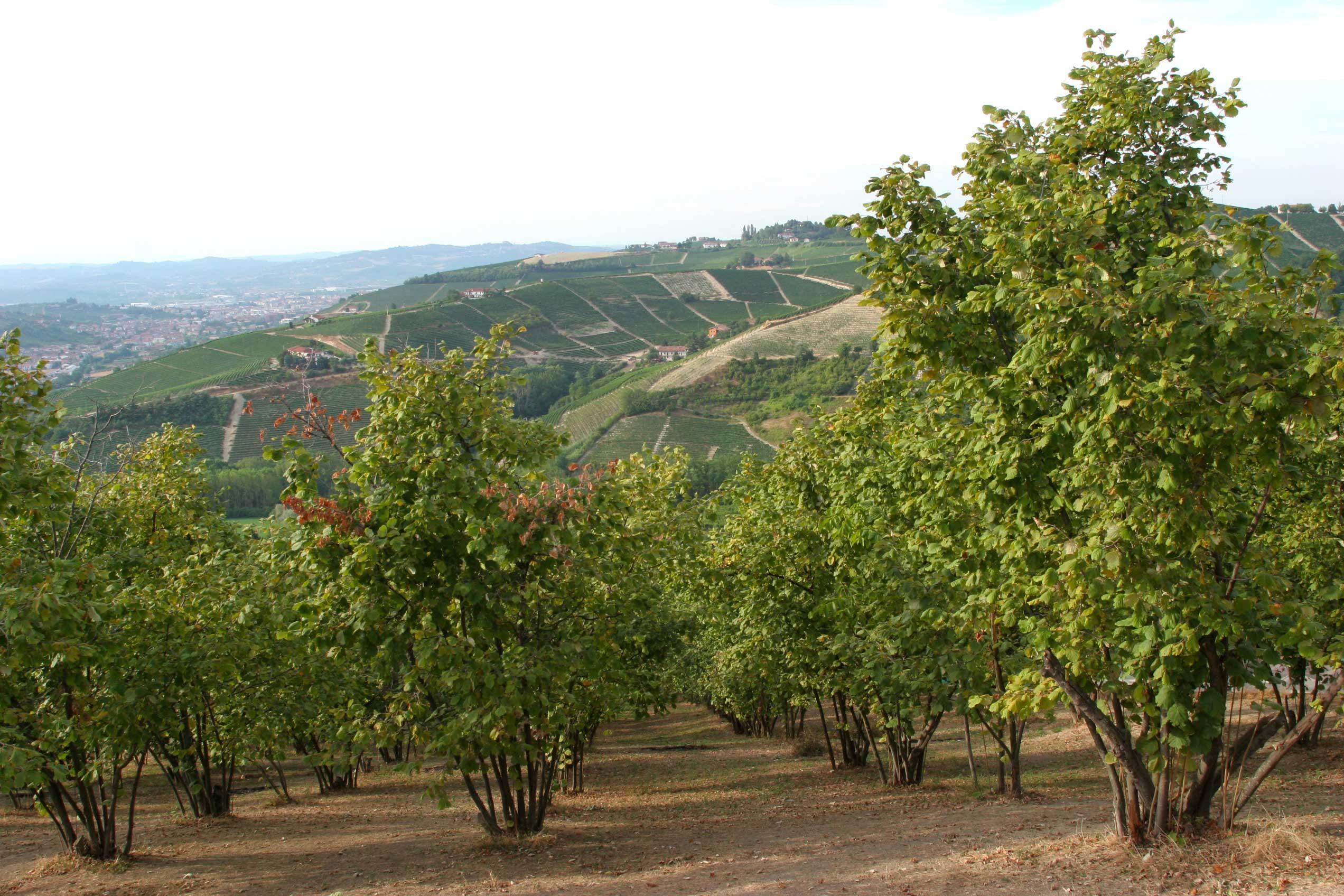
耕作放棄地の再生を難しくする理由のひとつは、「何を植えるか」の問題です。多くの作物は急傾斜地や狭小農地では大型機械が使えず、手間のわりに収益が上がりません。高齢化した農家が担える作業量にも限界があります。
ヘーゼルナッツは、この課題に対してひとつの答えを持っています。一度植えれば、数十年にわたって実をつけ続ける多年生の木です。毎年苗を植え直す必要がなく、農薬や肥料の投入も最小限で済みます。主な作業は夏の草刈りと秋の収穫。これは高齢の農業者でも無理なく続けられるサイクルです。機械化もしやすく、急峻でない中山間地の農地に適しています。
さらに重要なのは、トンダ・ジェンティーレのような高付加価値品種であれば、面積が小さくても十分な収益を生み出せるという点です。量ではなく質で勝負できる作物。それが、みなかみのような中山間地域にこそ向いていると私たちは考えています。
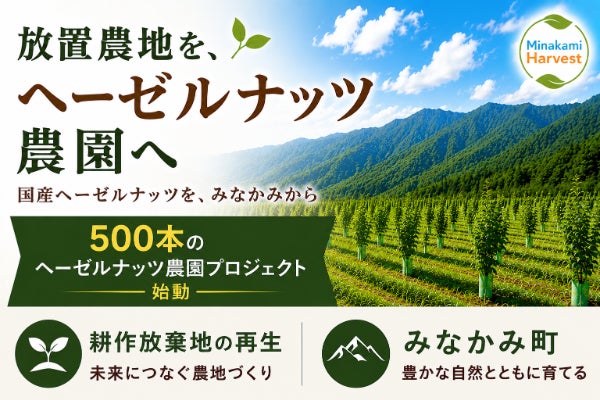
 目指すはこんなヘーゼルナッツ農園
今年の夏から、土地を起こす
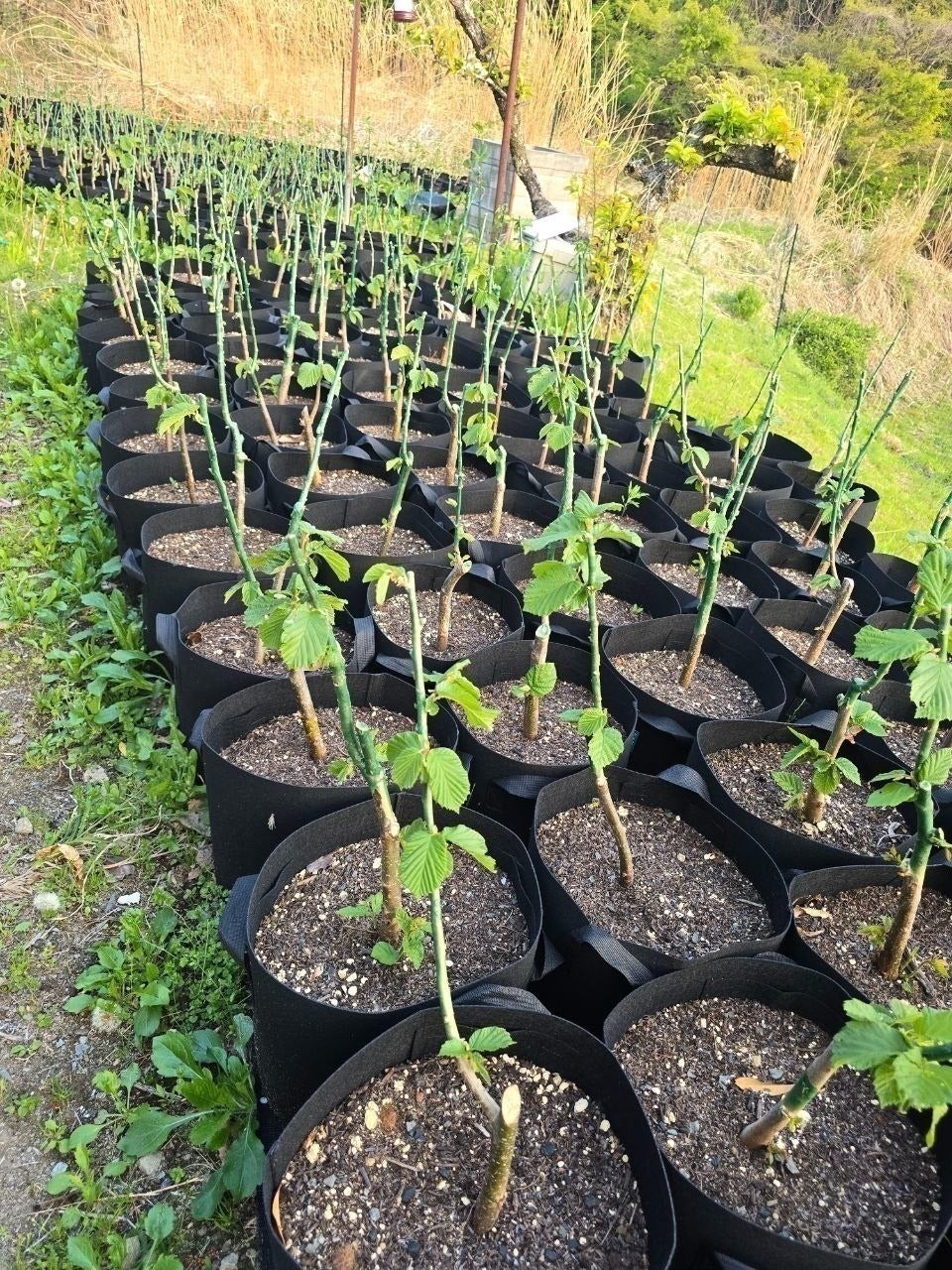
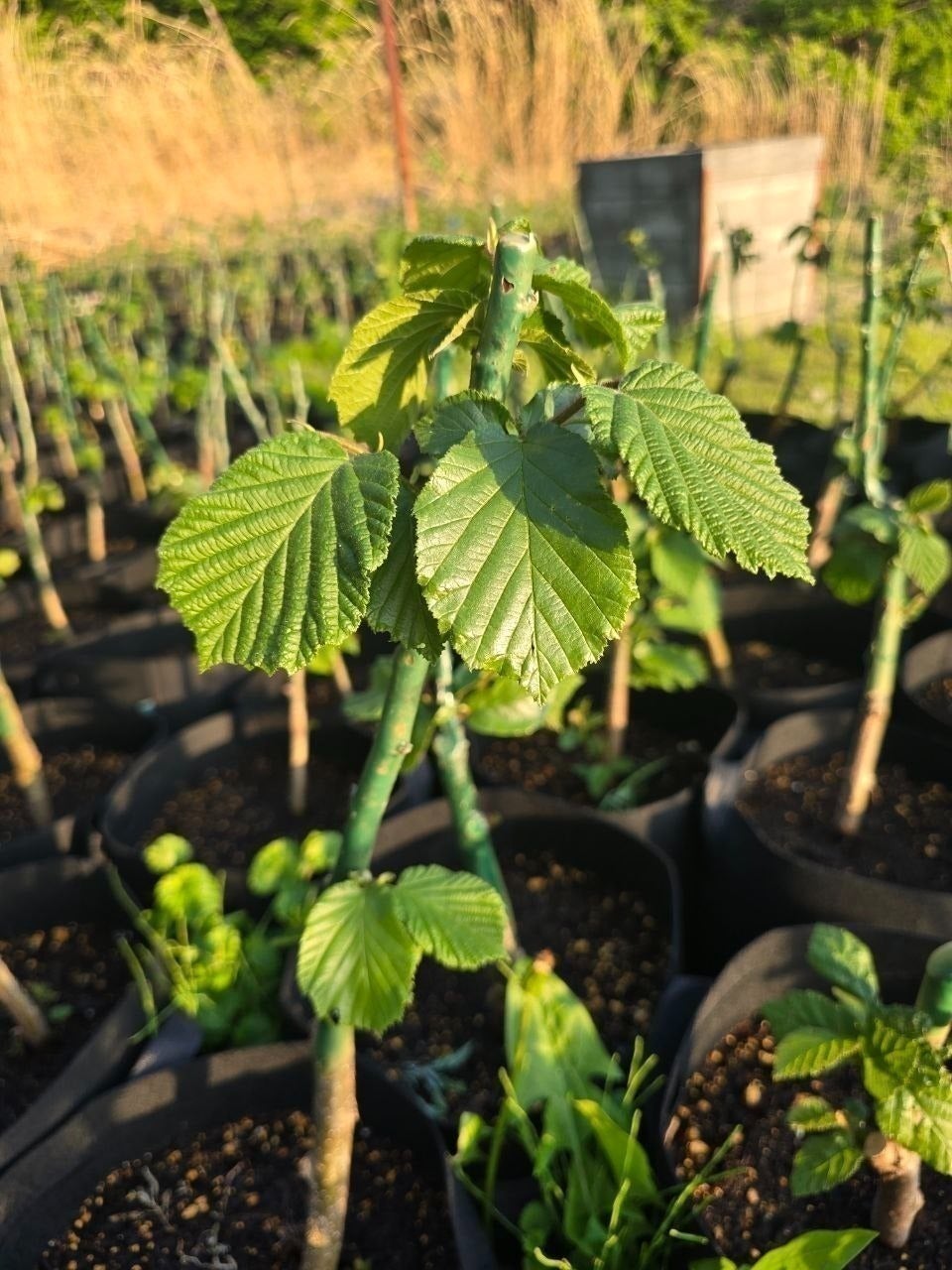
 イタリアから届いた苗木たち(5月31日撮影)
私たちは今年の夏から、数年間眠っていた農地の整備に取りかかります。草を刈り、土を耕し、水はけを整え、苗木を迎える準備をします。そして秋に500本のイタリア産ヘーゼルナッツの苗木を土に植えます。
一本一本の苗木が根を張るたびに、この土地は少しずつ息を吹き返します。3〜4年後の初収穫を経て、5年後にはみなかみ産ヘーゼルナッツが日本のパティシエの工房に届くことを目指します。そしてその先には、みなかみ町内の遊休農地がヘーゼルナッツ畑として次々と再生されていく未来を描いています。農業の後継者問題に悩む地域に、新しい選択肢を提示できるかもしれない。そんな可能性を、この500本は秘めています。
3.世界最高峰の品種を、みなかみで育てる
私たちがみなかみの畑に植えているのは、ただのヘーゼルナッツではありません。
世界のヘーゼルナッツ生産量のおよそ70%(年間80万トン以上)はトルコ産の商業品種が占めています。日本に輸入されるヘーゼルナッツの約95%も同じカテゴリーです。大量生産のチョコレートバー、スーパーのクッキー、コンビニのお菓子。それらを支えているのは、安定した供給と均一な品質を誇る、大切な原料です。私たちが目指すのは、それとは異なるもの。国産・高品質・産地直送という価値を求める、これからの可能性を秘めた市場です。
私たちが選んだのは、コリルス・アヴェッラーナ「トンダ・ジェンティーレ・トリロバタ」。イタリア・ピエモンテ州ランゲ丘陵を原産とする、世界で最も希少かつ高貴なヘーゼルナッツ品種です。世界の生産量のわずか1〜2%しか存在しないこの品種は、世界最高水準のパティスリーとショコラトリーの工房に届けられるために栽培されています。
名前に宿る哲学:「丸く、気高く、三葉の」
 Tonda Gentile Trilobata (TGT) (Piemonte)「トンダ(Tonda)」は「丸い」を意味します。完璧に均一な球形。サイズが揃っているということは、ローストが均一になるということ。均一なローストは、すべての粒から同じ風味が引き出されるということ。プラリネをつくるパティシエにとって、これは偶然の美しさではなく、技術を支える条件です。
「ジェンティーレ(Gentile)」は「高貴な」「繊細な」を意味します。トルコ産の商業品種が「他の素材を邪魔しない、溶け込む味」として設計されているのに対し、トンダ・ジェンティーレは違います。甘く、芳醇で、複雑な香りを持ち、ローストすると唯一無二の香気を放つ。この品種は、ヘーゼルナッツが主役のときにのみ選ばれます。
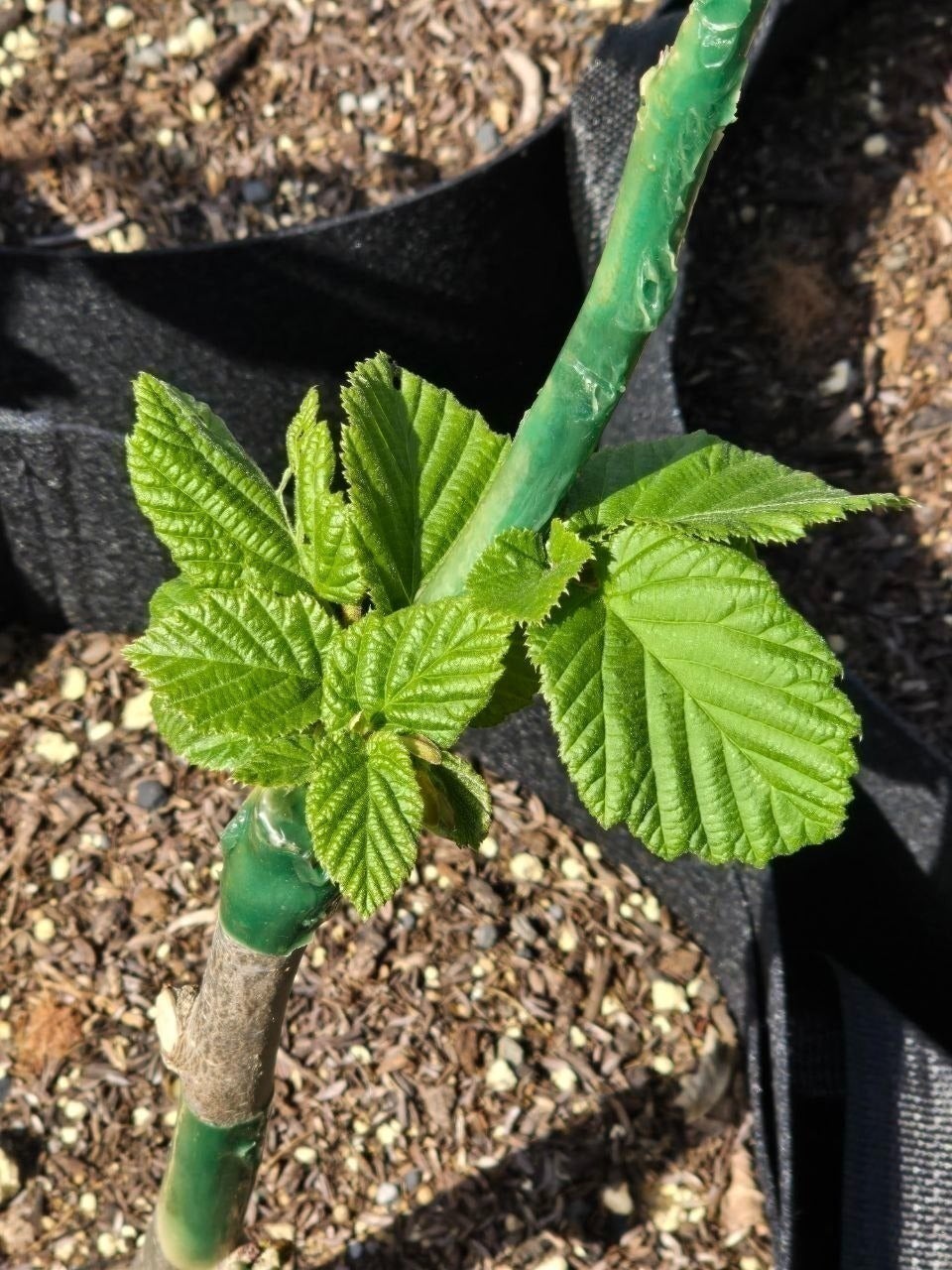
「トリロバタ(Trilobata)」は「三裂の葉」を意味します。この品種固有の葉の形を指す植物学的な名称であり、他のいかなる品種とも異なる、識別可能なアイデンティティの証です。
世界が認めた品質:EUのPGI認証と科学的根拠
1993〜1996年、EUはこの品種に「ノッチョーラ・ピエモンテ IGP(Nocciola Piemonte IGP)」として保護地理的表示(PGI)を付与しました。これは農産物としてこの認証を受けた最初期のひとつです。産地、栽培方法、品種。そのすべてが厳格に管理された、イタリアの宝です。
査読付き学術誌『Food Chemistry』(ScienceDirect掲載)の研究では、トンダ・ジェンティーレは主要ヘーゼルナッツ品種のなかで最も高いポリフェノール総含有量を持つことが示されています。これは風味の深みと、健康的な食品素材としての価値の両方に寄与します。
また、皮(ペリクル)の薄さも技術的に重要な特性です。ローストの後、皮が綺麗に剥けること。これはプラリネ、ペースト、上質なコンフェクションを作る職人にとって決定的な違いをもたらします。皮が残れば、食感と苦みの両方に影響します。トンダ・ジェンティーレの薄く剥がれやすい皮は、この品種が選ばれ続ける理由のひとつです。
油脂含有量は約50〜55%(トルコ産の58〜62%よりわずかに低い)。この違いは、フィナンシェ、ダコワーズ、プラリネといったデリケートな菓子において、ヘーゼルナッツの風味が溶け崩れることなく、凛として際立つ質感を生み出します。
世界最高峰が選ぶ原料
 スイスで最も権威あるチョコレートハウスのひとつ、レダラッハ(Läderach)は、フレッシュチョコレートラインのためにトンダ・ジェンティーレ・トリロバタを特定品種として調達しています。国際的なトップパティシエやショコラティエが、プレミアムラインのためにこの品種を指名で求めています。
日本でも意識は高まっています。2026年3月時点での日本の菓子業界でも、他の産地とは明らかに異なる強くて個性的なヘーゼルナッツの香りを持つこの品種への認知と渇望は、確実に高まっています。
鮮度という産地直送の強み
 イタリアから輸入されるトンダ・ジェンティーレは、今もピエモンテから数千キロを旅し、数週間から数ヶ月をかけて日本の厨房に届きます。香りの揮発成分は時間とともにどうしても失われます。最高の素材は、最短の距離で届けられるべきです。
みなかみ産のTGTは違います。群馬県みなかみ町の畑から収穫されたヘーゼルナッツは、数日以内に日本のパティシエの工房に届きます。これは輸入品が持ち得ない新鮮さです。
さらに、テロワール(土地の個性)という視点があります。ワインがブドウの産地を表現するように、みなかみの火山性・氷河性土壌と山岳気候のなかで育つヘーゼルナッツは、やがて固有の「みなかみキャラクター」を纏います。世界最高のヘーゼルナッツ品種が、日本という土地の個性を受けて新たに生まれ変わる。それが私たちのビジョンです。
今回植える500本の内訳:480本のTGTと受粉樹20本
本プロジェクトでは、みなかみの農地に合計500本を植えます。ただし、ただ500本を植えれば良いわけではありません。ヘーゼルナッツは自家受粉ができない作物であり、優れた収穫を得るには品種の組み合わせを最初から設計する必要があります。
500本のうち480本をトンダ・ジェンティーレ・トリロバタとし、残り20本はTGTと開花時期が合致するトンダ・ジェンティーレ・ロナーナ(Tonda Gentile Romana)種を受粉樹として意図的に配置しました。これは農業としての誠実さの表れでもあります。木を植えるだけでなく、木が正しく実をつけるための条件を最初から整える。20本のロナーナが静かに、しかし確実に仕事をすることで、480本のTGTが最大限の品質で実を結びます。
4.プロジェクト概要
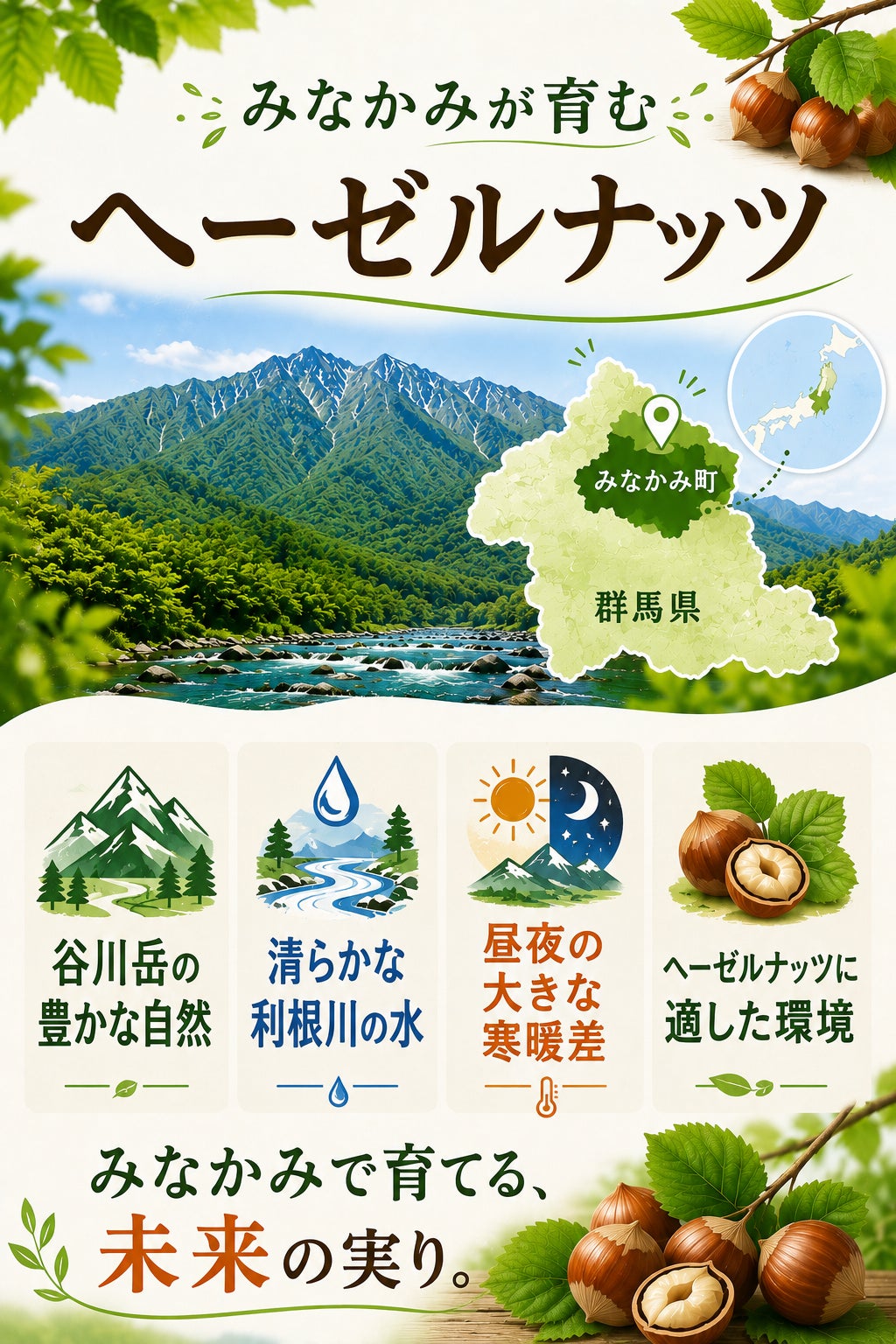
場所:群馬県みなかみ町
面積:約1ヘクタール(12,500㎡)
品種:トンダ・ジェンティーレ・トリロバタ(480本)+ロナーナ(受粉樹・20本)
苗木原産:イタリア・ピエモンテ州より直輸入
1本あたり収量(成熟時):約2〜4kg
年間収穫量(500本・成熟時):約1〜2トン
みなかみハーベスト農園予定地:素晴らしいご縁と土地をお貸しいただき、本当にありがとうございます。大切に使わせていただきます!
成長ロードマップ
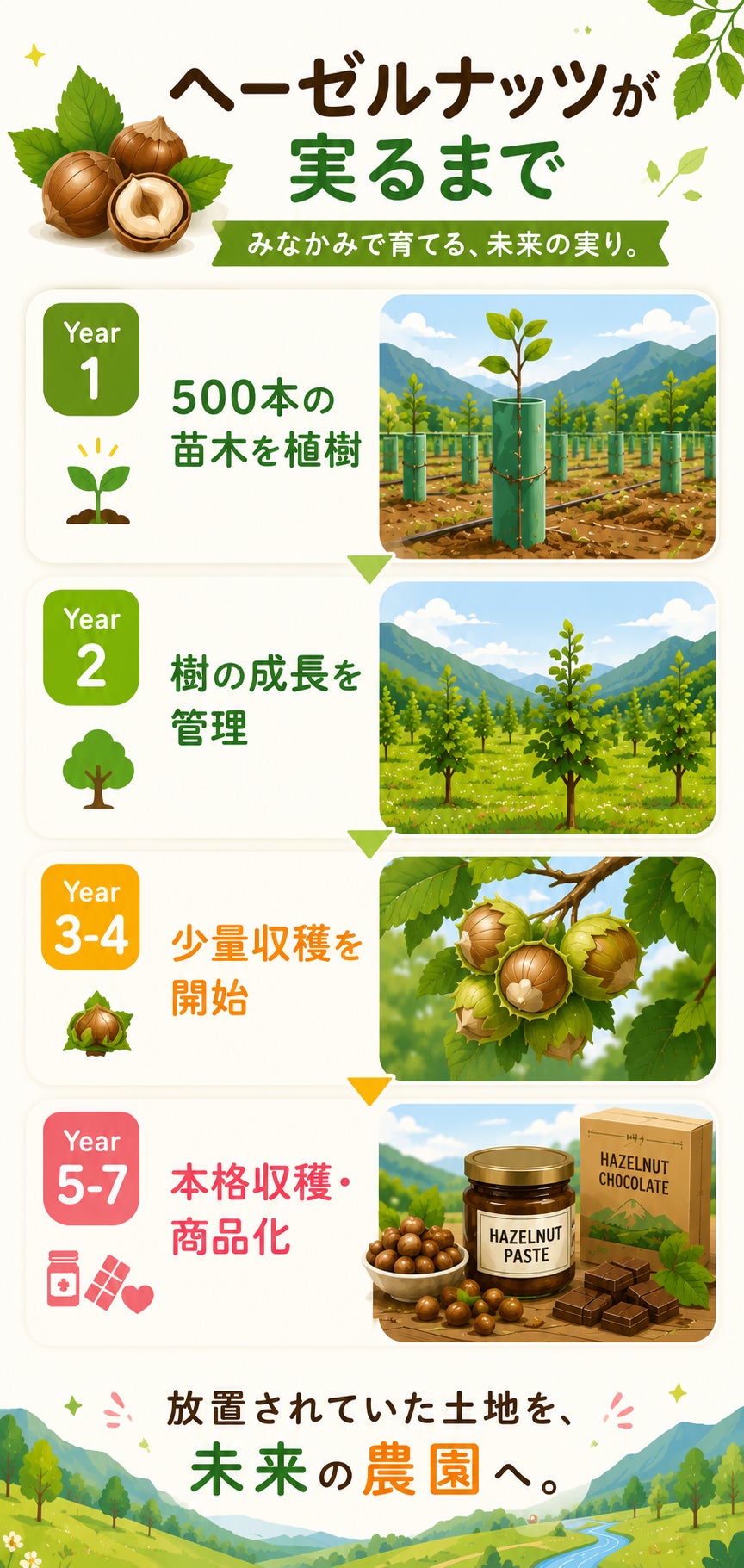
Year 1:500本植樹・防草・防獣・灌漑整備
Year 2:樹の成長・管理
Year 3–4:少量収穫開始(試験的なナッツ加工)
Year 5–7:本格収穫・ナッツ/ペースト/チョコ販売開始
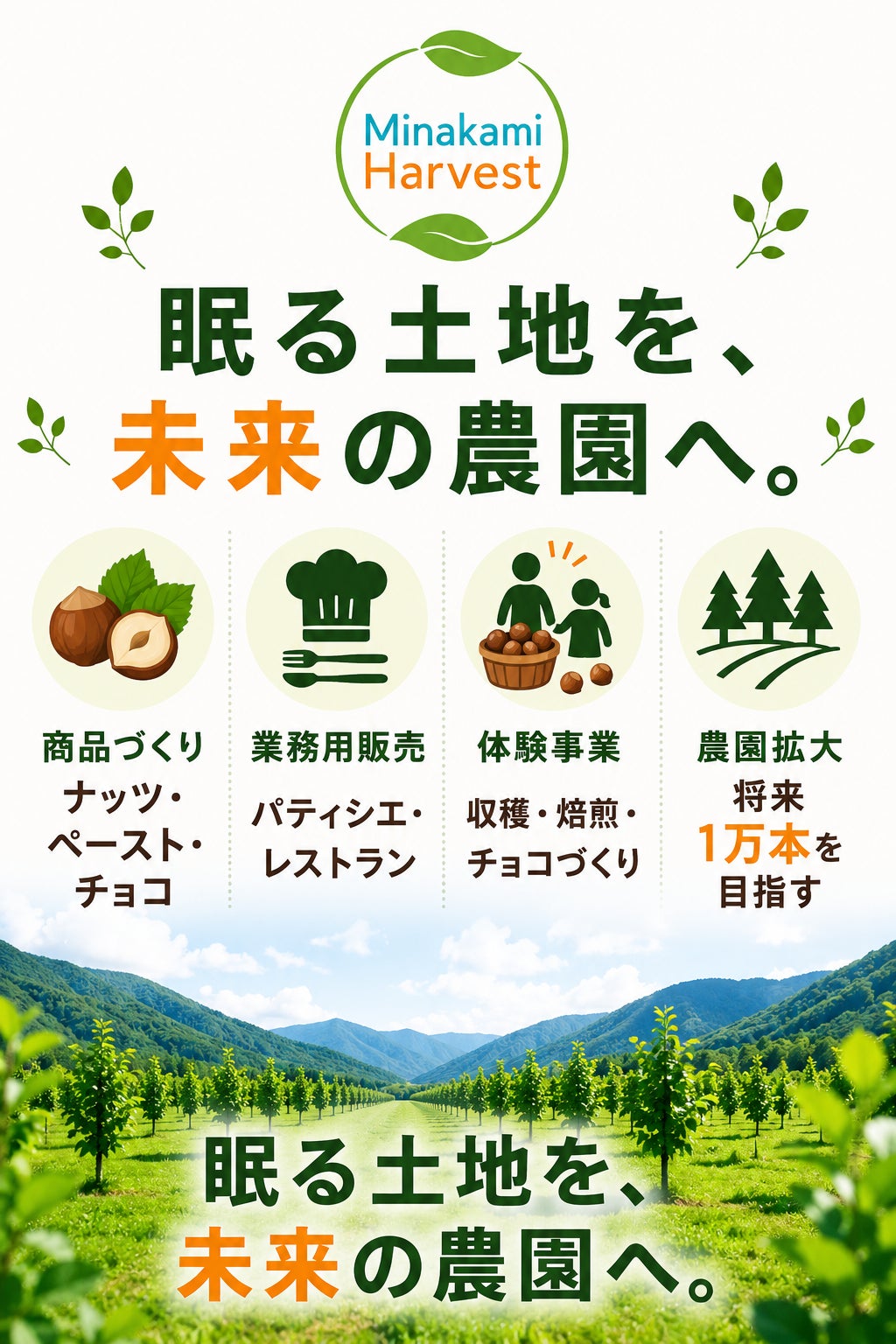
将来展開「みなかみハーベスト」:農業にとどまらない6次産業化を目指して
5.資金の使い道
本プロジェクトでは、ヘーゼルナッツ農園の立ち上げに必要な初期投資として、以下の用途に資金を活用させていただきます。苗木はすでにイタリアより確保しており、 既に500本(約265万円)の初期投資を自己資金で行っています。
クラウドファンディングは、農園の立ち上げをより早く、より安定した形で実現するための加速資金として活用させていただきます。単なる資金調達ではなく、この農園を一緒に育てていく仲間を集めることも大きな目的です。
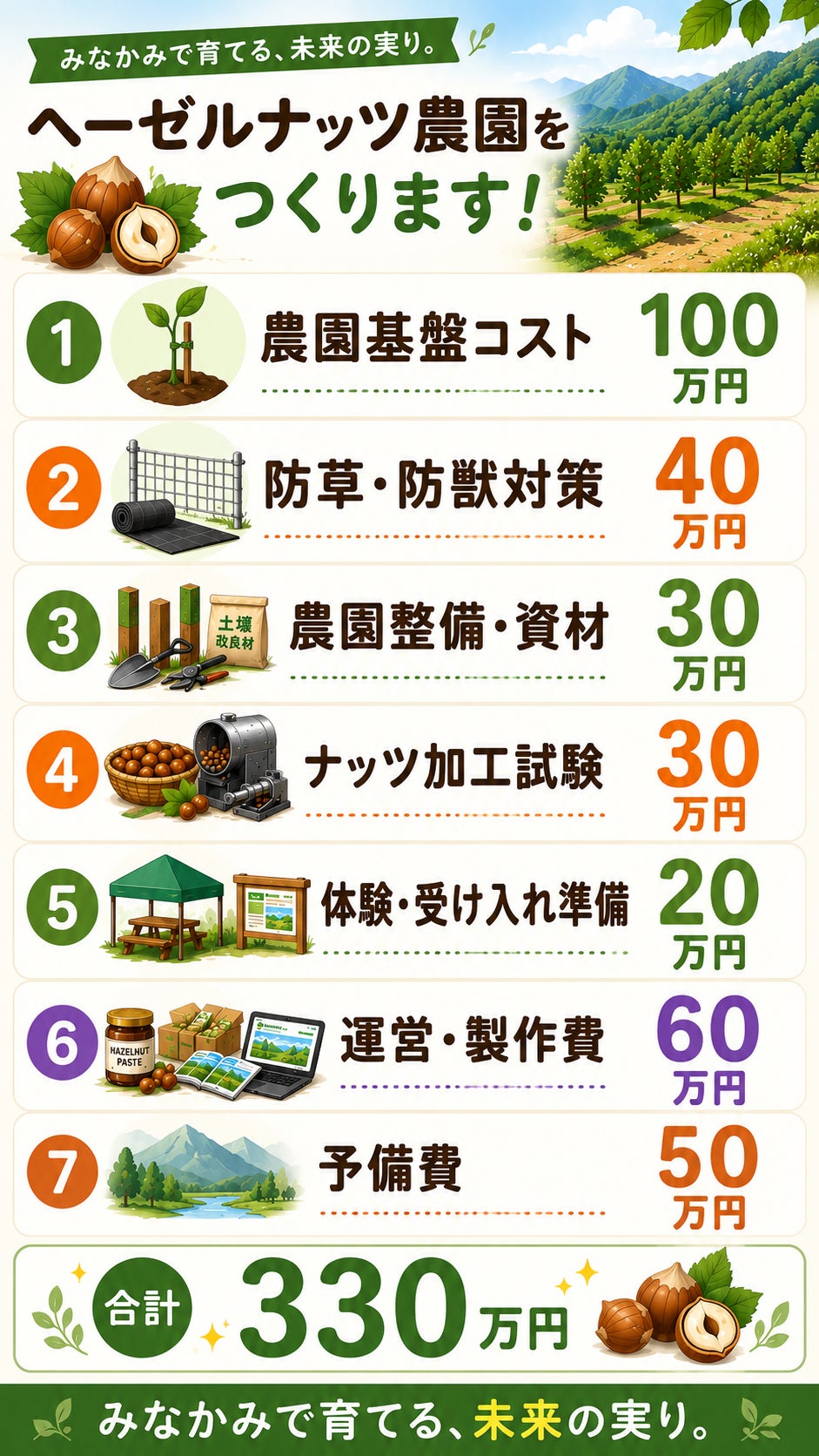
① 農園基盤コスト:土地賃借料・維持費(初年度〜複数年分)100万円
② 防草・防獣対策防草シート・獣害防止柵:40万円
③ 農園整備・資材支柱・土壌改良材・工具など:30万円
④ ナッツ加工試験小型ロースター・割機など:30万円
⑤ 娯体験・受け入れ準備簡易設備・安全対策・案内整備:20万円
⑥ 運営・制作費リターン制作・梱包・発送・広報:60万円
⑦ 予備費天候・資材価格変動などへの対応:50万円
合計:330万円
6.支援方法とリターン
本プロジェクトでは、遠方から応援してくださる方と、実際に農園に来て体験したい方の両方に向けて、リターンをご用意しました。
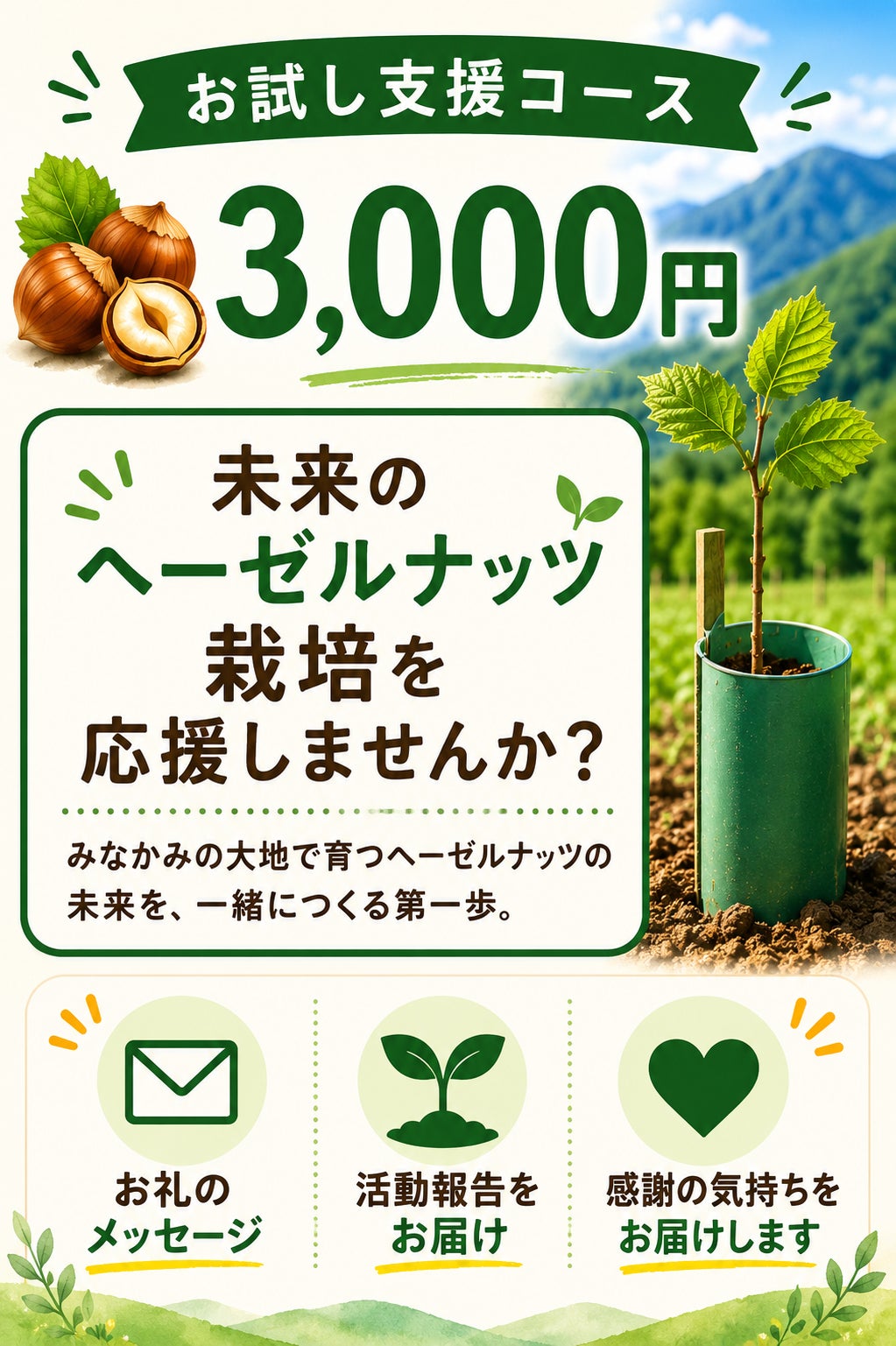
■ 3,000円|お試し支援コース
未来のヘーゼルナッツ農園づくりを応援する、はじめの一歩。
- ● 農園ニュース(年2回・メール)
- ● 植樹完了の写真データ
- ● お礼のメッセージ
● 第一弾の農園ニュースは2026年12月頃配信予定です。
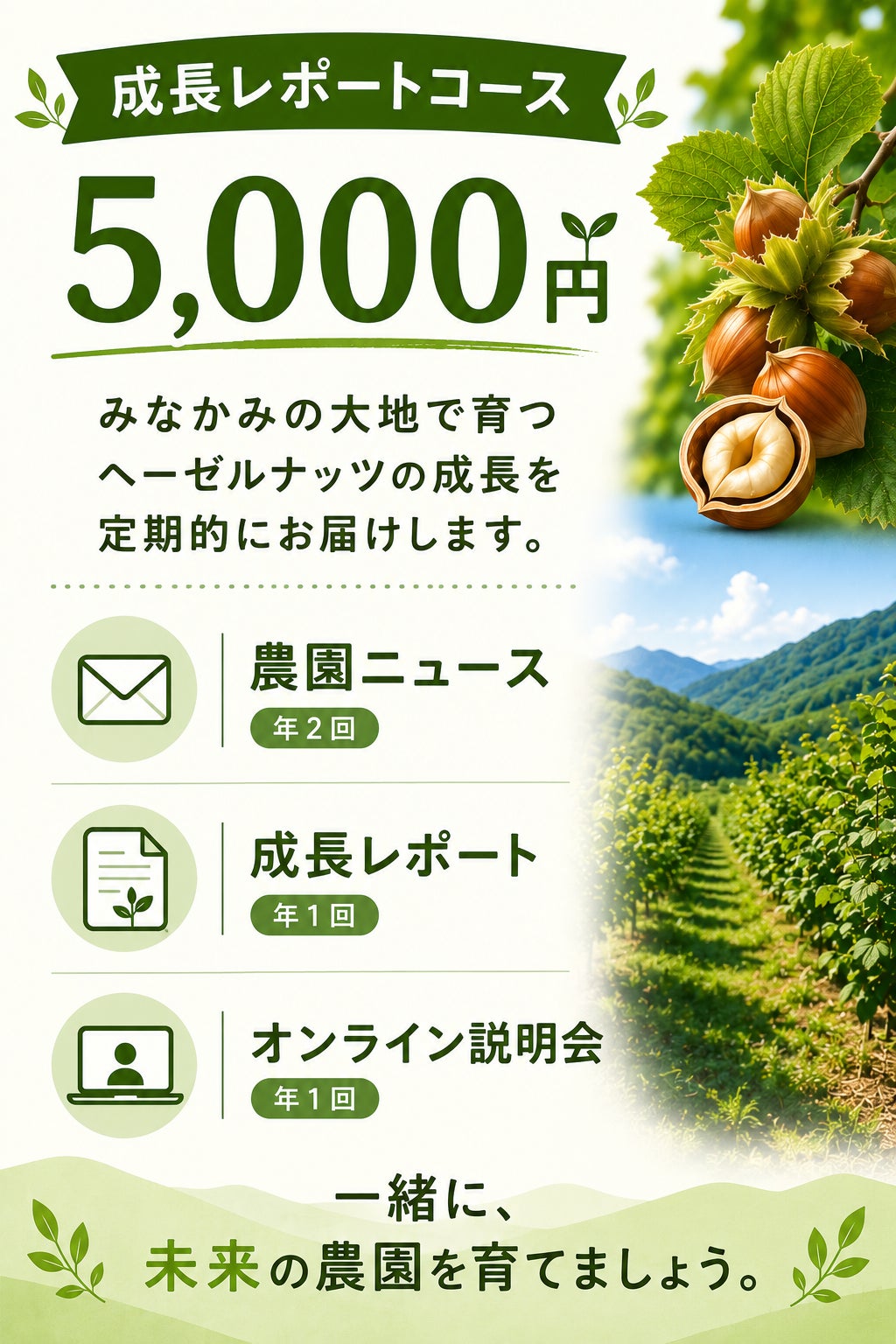
■ 5,000円|成長レポートコース
未来のヘーゼルナッツ農園づくりを、一緒に見守りませんか?
- ● 農園ニュース(年2回・メール)
- ● 成長レポートPDF(年1回)
- ● オンライン説明会(年1回)参加権
● 農園ニュース第一弾は2026年12月頃、オンライン説明会は2026年11月頃を予定しています。
みなかみで育つ未来の実りを、皆さまと共有していきます。
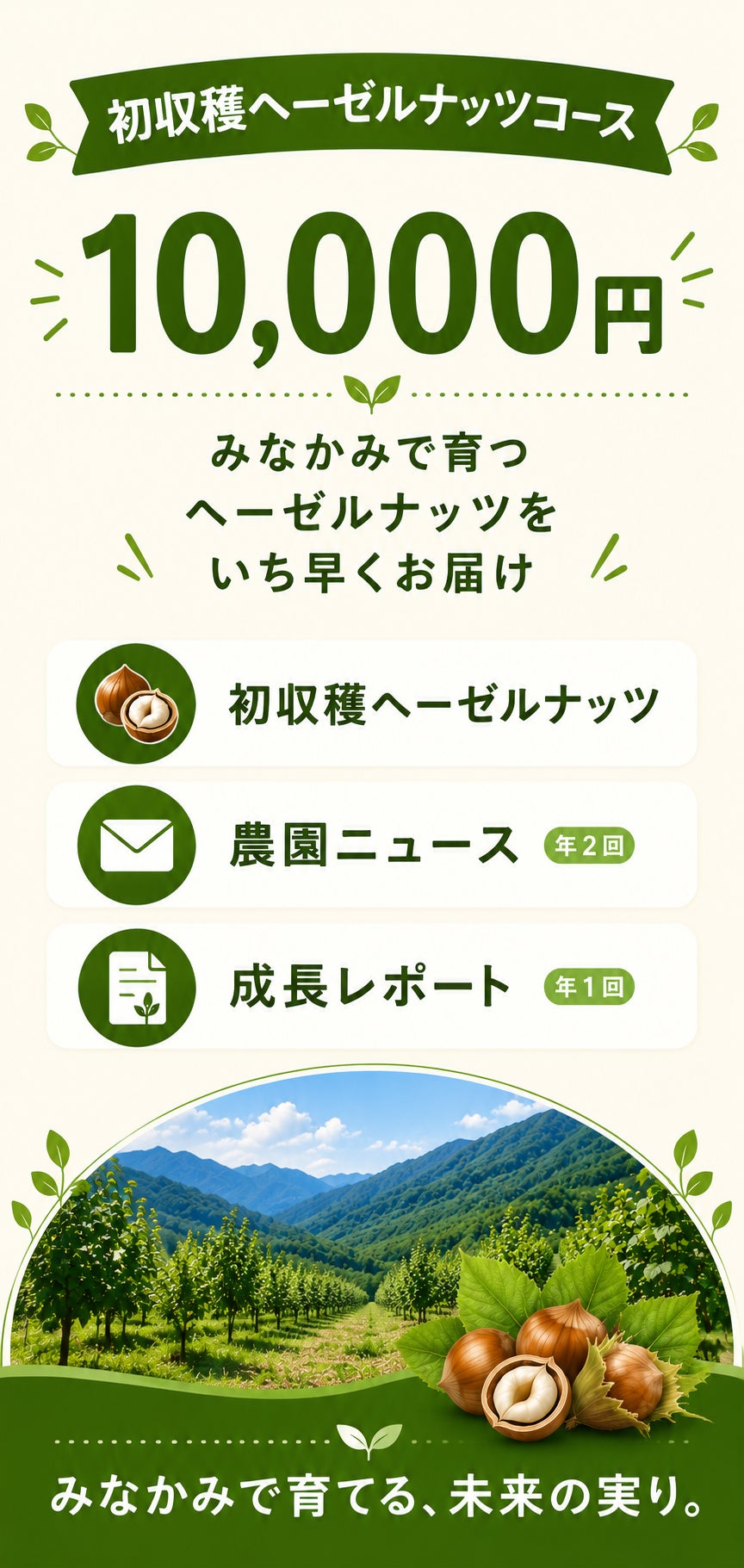
■ 10,000円|初収穫ヘーゼルナッツコース
未来の収穫を、誰よりも早く。
- ● 初収穫ヘーゼルナッツ(約200〜300g)
※2029年7月頃お届け予定 - ● 農園ニュース(年2回・メール)
- ● 成長レポートPDF(年1回)
- ● オンライン説明会(年1回)参加権
みなかみで育つヘーゼルナッツの成長を見守りながら、初めての実りを一緒に味わいましょう。
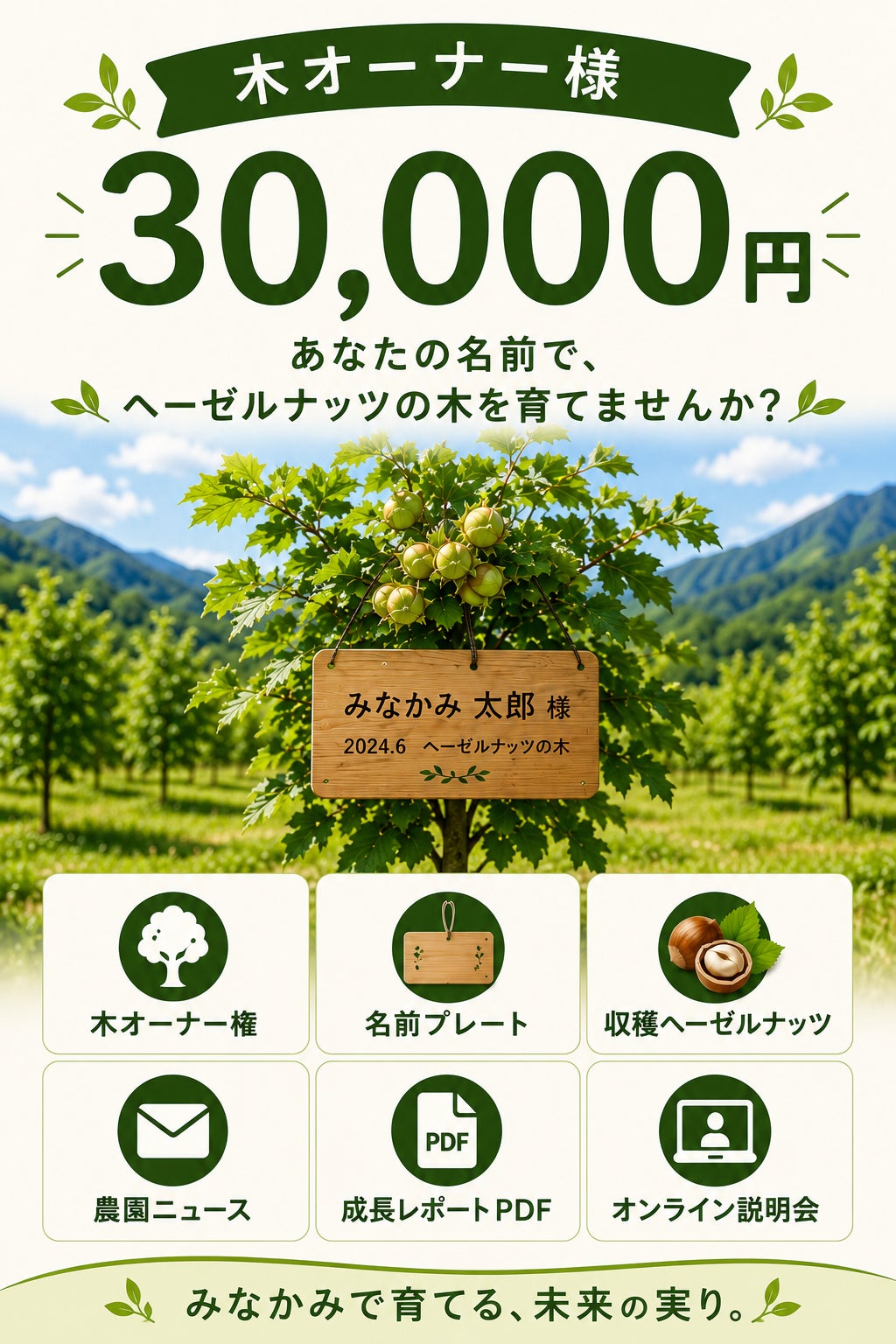
■ 30,000円|木オーナー様コース
あなたの名前で、ヘーゼルナッツの木を育てませんか?
みなかみの農園で、あなただけの木を大切に育てます。
- ● ヘーゼルナッツの木 1本のオーナー権
- ● お名前入りプレート設置
- ● 収穫ヘーゼルナッツ(約500g)を3年間お届け
- ● 木の写真+年1回レポート
- ● 農園ニュース
- - 成長レポートPDF(年1回)
- - オンライン説明会(年1回)参加権
●【収穫ナッツお届け予定】2029年7月頃(初収穫)2030年夏~秋頃2031年夏~秋頃
●農園ニュース第一弾は2026年12月頃、オンライン説明会は2026年11~12月頃を予定しています。
木の成長を見守りながら、未来の実りを一緒に育てる特別なコースです。
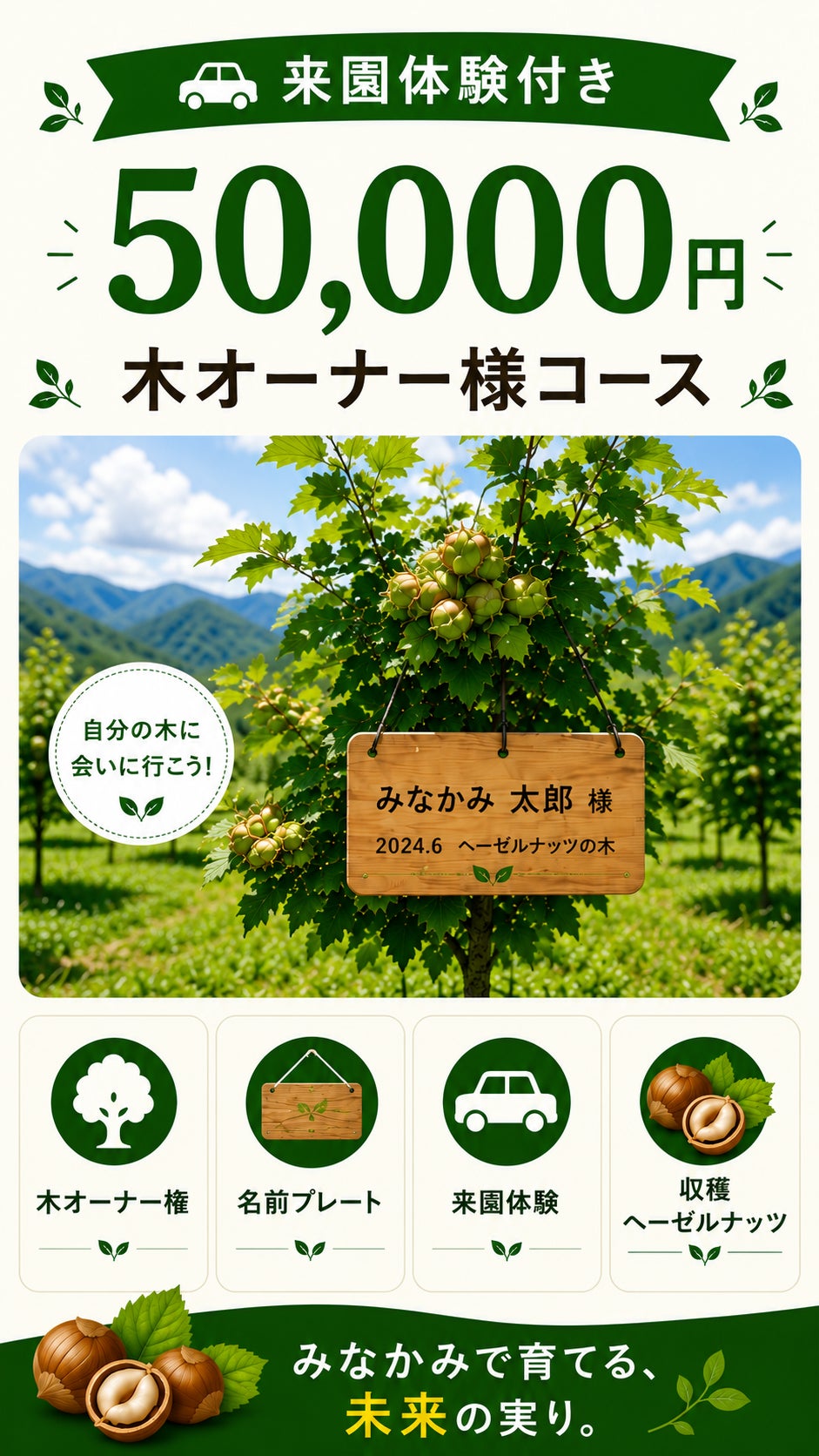
■ 50,000円|木オーナー様+農園訪問コース
あなたの木に会いに、みなかみへ。
木の成長を見守るだけでなく、実際に農園を訪れ、収穫や交流を楽しんでいただける特別なコースです。
- ● 木オーナー特典一式
- ● お名前入りプレート設置
- ● 収穫体験参加権(1日・1〜2名)
- ● BBQイベント参加権
【開催予定】収穫体験:2029年7月頃(初収穫予定)BBQイベント:2027年7月頃開催場所:群馬県みなかみ町下牧エリア
未来の実りを育てながら、みなかみの自然と農園の時間をお楽しみください。
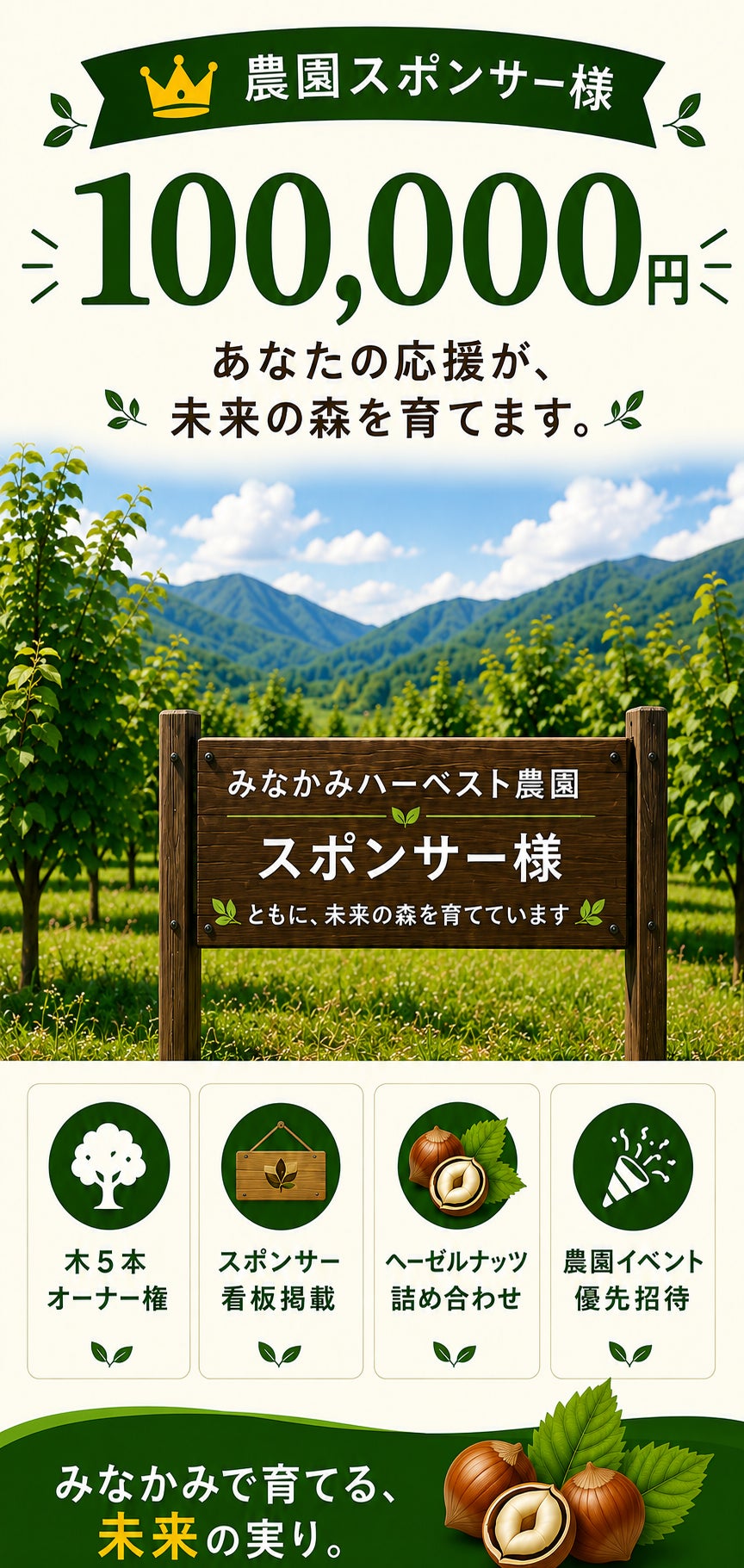
■ 100,000円|農園スポンサー様
みなかみで始まるヘーゼルナッツ農園を支え、未来の実りをともに育てていただくスポンサーコースです。
- ● 木5本のオーナー権
- ● 木オーナー特典一式
- ● ナッツ詰め合わせセット(2年間)
- ● 農園イベント優先招待
- ● 農園サイト・看板へのお名前掲載
【ナッツお届け】名称:ヘーゼルナッツ内容量:約500g
あなたのお名前を農園に刻み、未来の実りをともに育てる特別なスポンサーコースです。
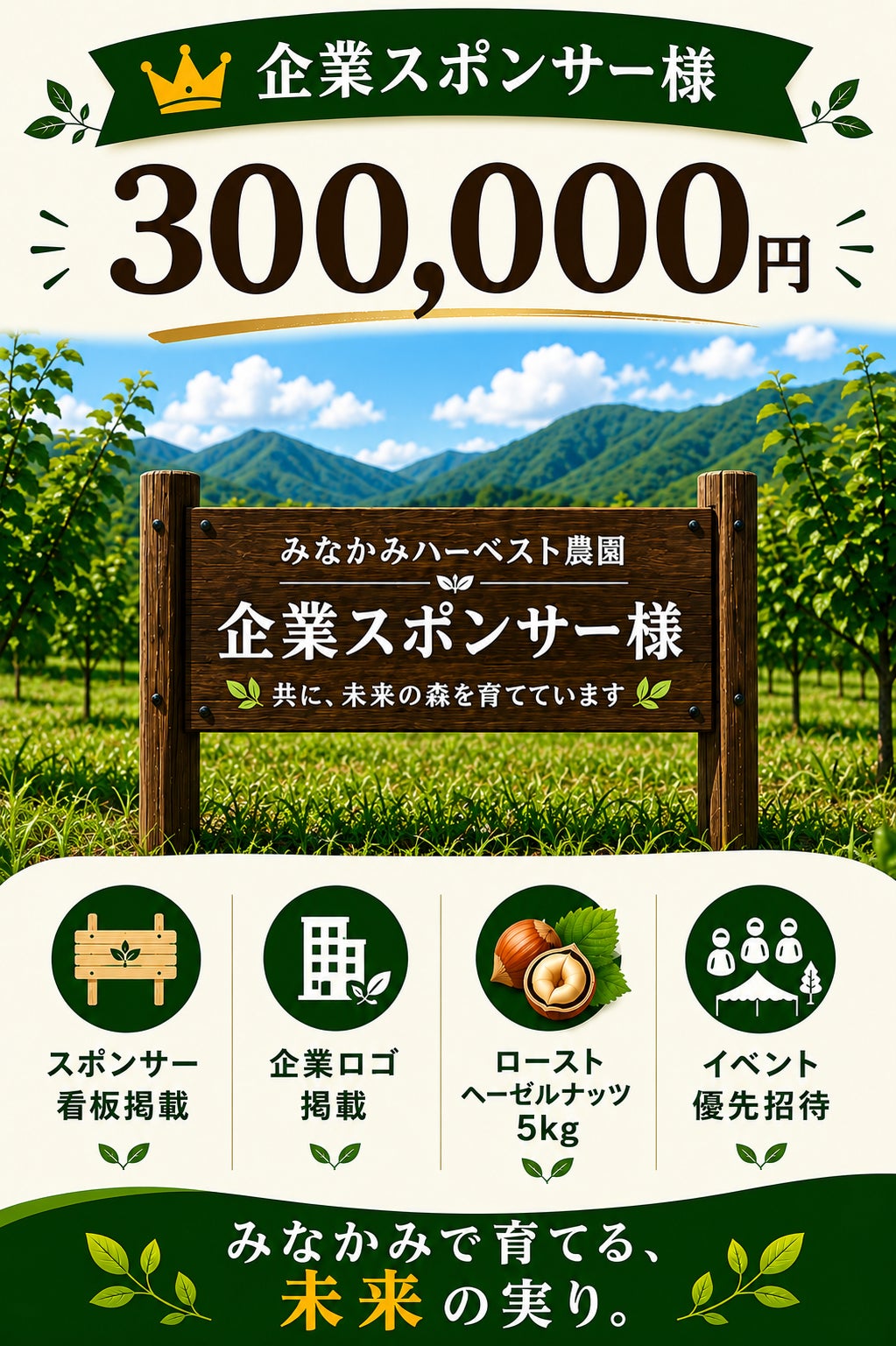
■ 300,000円|企業スポンサー様
ヘーゼルナッツ農園の未来を、ともに育てる企業スポンサーコースです。
みなかみの豊かな自然の中で、持続可能な農園づくりと地域の未来を応援していただけます。
- ● 木オーナー特典一式
- ● 収穫体験参加権(1日・5名様)
- ● 農園イベント優先招待
- ● ローストヘーゼルナッツ(約5kg)を3年間お届け
- ● 農園サイト・看板へのお名前掲載
【収穫体験】2029年7月頃予定(初収穫)
【イベント開催予定】2027年7月頃開催場所:群馬県みなかみ町 下牧エリア
企業名を農園に刻み、未来の実りをともに育てる特別なスポンサーコースです。
※ナッツ収量は天候により変動します。
7.みなかみハーベストのメンバー
Mike (マイク)
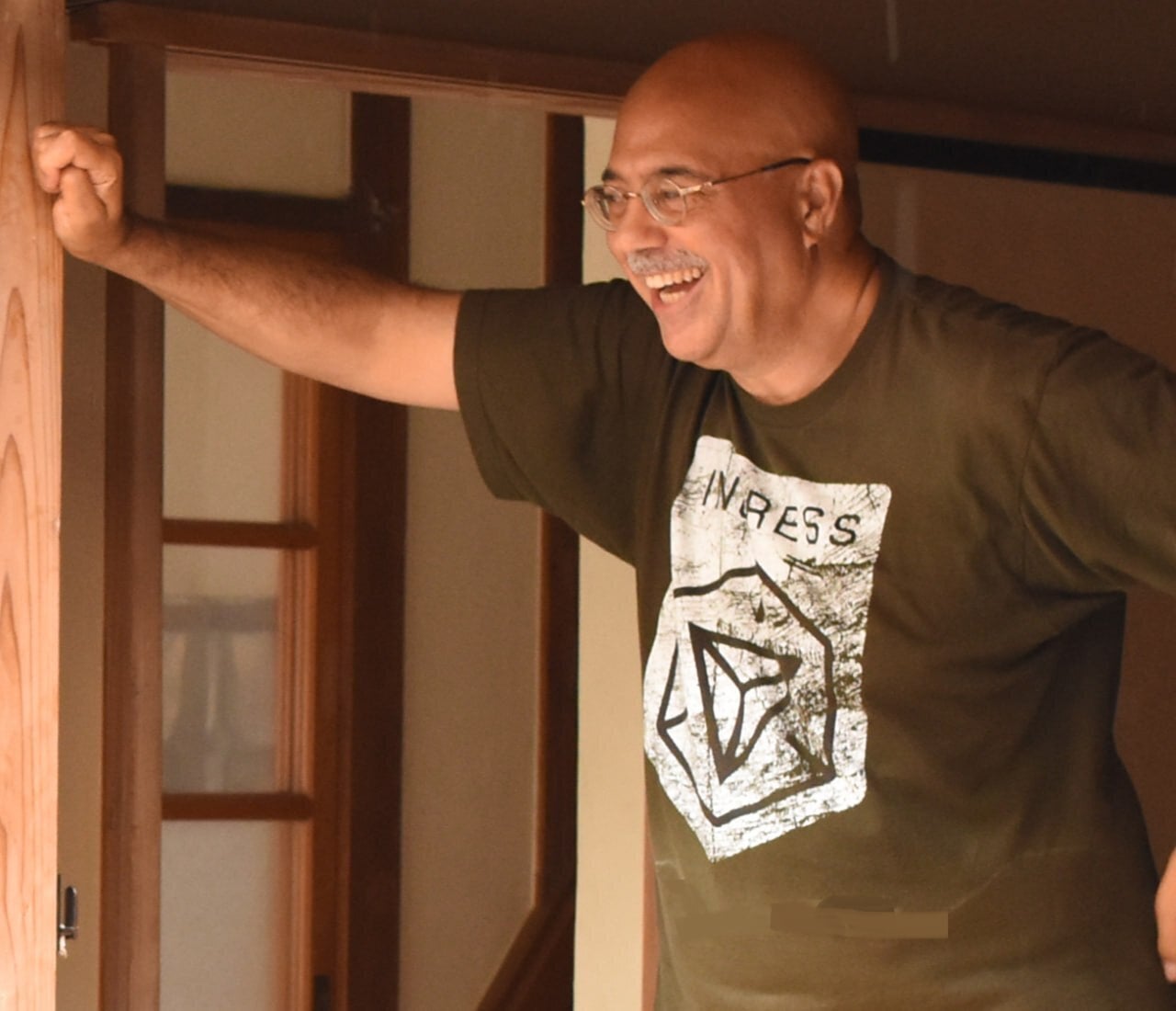
私は時間をかけて、「みなかみで暮らし、みなかみでビジネスを育てていく」という生き方を形にしてきました。地域へのコミットメントから始まった取り組みは、少しずつ具体的なステップとなり、まずはコーヒー焙煎による食品事業を立ち上げ、収穫期にはアップルジャムやアップルバターの商品化を準備し、「Minakami Harvest(みなかみハーベスト)」ブランドで湯原エリアにカフェを開く、という一つのストーリーになりつつあります。
ヘーゼルナッツプロジェクトは、そうした長期的なビジョンの中から生まれました。この土地と切り離されたビジネスではなく、みなかみに「根を張る」ビジネスをつくりたい。高品質な国産ヘーゼルナッツを生産し、地域で加工し、将来的にはカフェや他の食品事業ともつながっていく、農と食とホスピタリティが一体となったビジネスに育てていくことが目標です。現在、みなかみ町の上牧や月夜野エリアでの農地を探しながら、イタリアから取り寄せた苗木をもとに農園の基盤づくりを進めています。
このプロジェクトが大切なのは、単に木を植えるだけの話ではないからです。みなかみの土に根ざしたかたちで、農業、加工、ブランドづくり、そしてカフェへとつながる、一つのストーリーをつくる挑戦だからです。クラウドファンディングを通じて、この「はじまりの段階」から一緒に関わっていただき、長年温めてきたビジョンを、実際の農園と未来の収穫というかたちに変えていきたいと考えています。
浩(こう)

みなかみの雄大な自然に惹かれ、この土地の農業と向き合ってきました。サーフィンやスキーが好きで、“Love the life you live. Live the life you love” をモットーに、自然の中で生きることや、食、体づくりを大切にしています。
一児の父になってからは、「次の世代に何を残せるだろう」と考えることが増えました。ただ消費するだけではなく、自分の手で育て、形にしていく側になりたい。そんな想いを持つようになりました。
いつか、自分たちで一から育てた素材で、人を笑顔にできるものを作りたい。その想いがヘーゼルナッツとの出会いにつながり、このプロジェクトを始めるきっかけになりました。
放置されていく土地に、もう一度人が集まる景色をつくりたい。みなかみから、新しい農業と食の可能性を少しずつ育てていけたらと思っています。
代良(たいら)|次世代メンバー
 高校1年生です。幼い頃から自然の中で遊ぶことが好きで、父と一緒にサーフィンやスキーを楽しんできました。
ミナカミハーベストでは、ヘーゼルナッツの栽培や農園づくりを手伝いながら、農業や食の大切さについて学んでいます。
このプロジェクトを通じて、多くの人にみなかみの魅力を知ってもらい、未来につながる農園づくりに貢献したいと思っています。
まだ学ぶことばかりですが、次世代メンバーとして、農園の成長とともに自分自身も成長していきたいです。
応援よろしくお願いします!
8.私たちの想い
私たちはこれまで、群馬県みなかみ町で農業と向き合ってきました。そして今、新たにヘーゼルナッツという挑戦を始めます。
すでに苗木の準備も整い、このプロジェクトは構想ではなく、すでに動き始めています。ヘーゼルナッツは、気候や病害の影響を受ける作物です。思い通りにいかない年もあるかもしれません。それでも、みなかみの自然、これまでの加工や販売の経験を活かしながら、10年、20年と時間をかけて、この農園を育てていきたいと考えています。
縄文から続くこの木の実との縁を、現代の農業と価値ある食へとつなぎ直したい。昭和40年代に価格に敗れた挑戦を、今度は品質と物語の力で乗り越えたい。この場所を、ヘーゼルナッツを収穫し、焙煎し、チョコレートを味わい、人が集い、また訪れたくなる場所へ。
このはじまりを、ぜひ一緒に育てていただけたら嬉しいです。
日本とヘーゼルナッツの関係は、はるか縄文時代(紀元前10,500年〜300年頃)にまで遡ります。当時の日本の山野には、「ハシバミ」(Corylus heterophylla var. thunbergii)と「ツノハシバミ」(Corylus sieboldiana)という2種類の野生ヘーゼルナッツが、本州から北海道にかけて広く自生していました。縄文の人々にとって、秋に実るこの小さな木の実は、クリ、クルミ、ドングリとともに大切な食料でした。
縄文遺跡の発掘調査からは、ツノハシバミの実が地下の貯蔵穴に蓄えられていた痕跡が各地で確認されています。ヘーゼルナッツはただの食料ではありませんでした。搾り取った油は灯火の燃料として使われており、「製油録」という史料によれば、神功皇后の時代(およそ紀元211年頃)にはすでにこの実から油を採る技術があったと記録されています。これは日本における最古の植物油の記録のひとつとも言われています。さらに、ヘーゼルナッツの枝は占いや魔除けにも使われていました。この習慣はヨーロッパにも同様に伝わっており、洋の東西を問わず、人々がヘーゼルの木に特別な意味を見出していたことが伝わってきます。
現代においても、ヘーゼルナッツは世界的に需要の高いナッツです。世界生産の約70%はトルコが担っており、年間約82万トンを生産しています。次いでイタリアが年間約14万トンと続きます。私たちが日常的に口にするチョコレートやクッキー、ヘーゼルナッツペーストの多くは、トルコの農園で育った実から作られています。
昭和40年代の挑戦:あと一歩で途絶えた夢
日本でヘーゼルナッツの国産栽培が真剣に試みられたのは、昭和40年代(1965年〜1974年頃)のことでした。長野県では農家の間でヘーゼルナッツ栽培への関心と熱意が高まり、実際に栽培を始め、販売先を求めて大手菓子メーカーと交渉を行った記録が残っています(出典:長野市「ヘーゼルナッツの栽培について」)。
しかし、その挑戦はあえなく頓挫します。菓子メーカー側の返答はシンプルでした。「トルコから輸入すれば、はるかに安く手に入る」。それだけの理由で、長野の農家たちの夢は閉ざされてしまいました。以来数十年にわたり、国産ヘーゼルナッツという選択肢は存在しない状態が続きました。(写真はイメージ画)
再起のものがたり:現代の国産復活(2013年〜)
歴史が動いたのは、2010年の冬のことでした。輸入会社に勤めていた岡田弘さんは、出張でイタリア・ピエモンテ州を訪れます。雪に覆われた山の斜面に、ヘーゼルナッツの木々が整然と並んでいるのを目にしたとき、岡田さんはある確信を抱きました。「ここの気候は長野に似ている」。その直感が、一つの産業の再誕につながるとは、当時は誰も知る由もありませんでした。
2013年、岡田さんは長野市で日本初となる本格的なヘーゼルナッツの試験栽培を開始します。イタリア・ピエモンテ産の「トンダ・ジェンティーレ・デッレ・ランゲ」種の苗木を輸入し、まず100本の木を植えました。3年後に初収穫を迎え、その後は年々収穫量が倍増していきました。
この挑戦は全国の農家に希望を届けました。2023年には、岡田さんの取り組みに触発された農家が全国で844名を超え、同年、長野市に日本初の「ヘーゼルナッツ農業研修所」が開校。開校からわずか2年半で500名の卒業生を輩出しました。2024年には長野市が苗木購入への補助金制度を導入し、地域の特産品として公式に後押しする体制が整いました。
しかしそれでも、日本の国産ヘーゼルナッツ生産量は年間わずか約20トン。年間需要の1万トンに対して、まだほんの一握りに過ぎません。日本のヘーゼルナッツ市場は2035年までに約140億円規模に成長すると予測されており、国産品が入り込む余地は十分にあります。
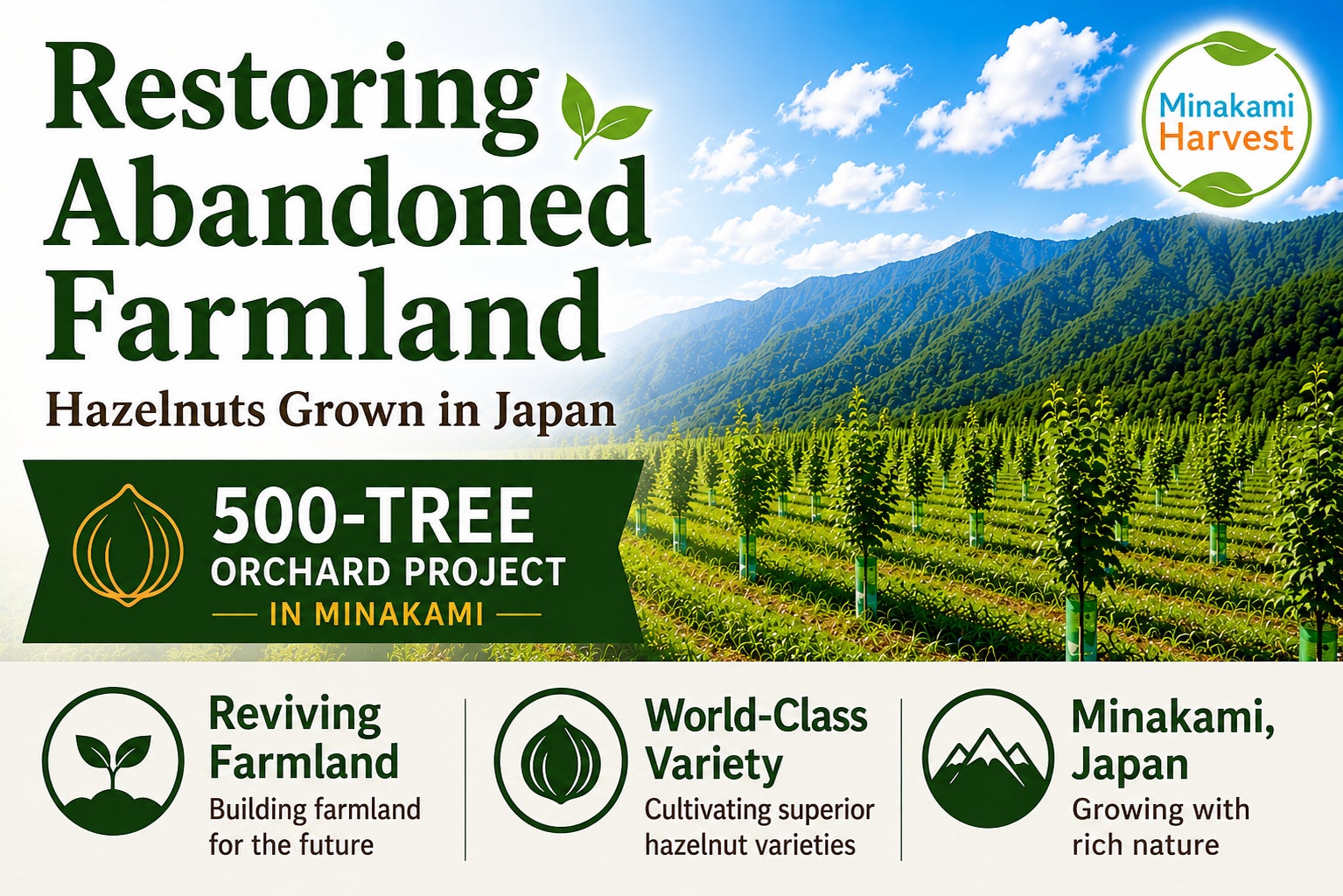
Minakami Harvest — Building a Japanese Hazelnut Farm from Minakami, Gunma
We are creating a hazelnut orchard in the beautiful town of Minakami, Gunma, by transforming abandoned farmland into a place of growth and opportunity.
Starting with 500 premium hazelnut trees imported from Italy, our vision goes beyond farming. We aim to create high-quality products, unique food experiences, and a destination where people can connect with nature, food, and the local community.
Your support will help us plant the trees, develop the farm, and lay the foundation for a sustainable future.
Together, let's turn forgotten land into a thriving orchard.
1. Sleeping Land, and Two Challenges
The land where we plan to plant our hazelnut orchard in Minakami was once carefully tended by local farmers.
For generations, crops were planted, harvested, and nurtured here. But as the owner grew older and no successor stepped forward, the land was gradually left untouched.
Today, it sits quiet and unused.
Unfortunately, this is not an isolated case.
Across Japan, farmers are aging, fewer young people are entering agriculture, and more farmland is being abandoned each year. In regions like Minakami, these challenges are especially visible as cultivated fields slowly disappear from the landscape.
At the same time, Japan relies almost entirely on imported hazelnuts. Most come from overseas, leaving manufacturers and consumers vulnerable to rising costs, supply disruptions, and climate-related risks.
We believe these two challenges can become one opportunity.
By transforming abandoned farmland into a productive hazelnut orchard, we hope to create new value for the region, strengthen domestic production, and build a place where people can connect with nature, food, and local culture.
Our goal is simple:
Turn forgotten land into a thriving orchard.
 Future Home of the Minakami Harvest Orchard
We wanted to take on both challenges and create a meaningful answer from this land.
2. Why Hazelnuts Are the Right Crop for Abandoned Farmland
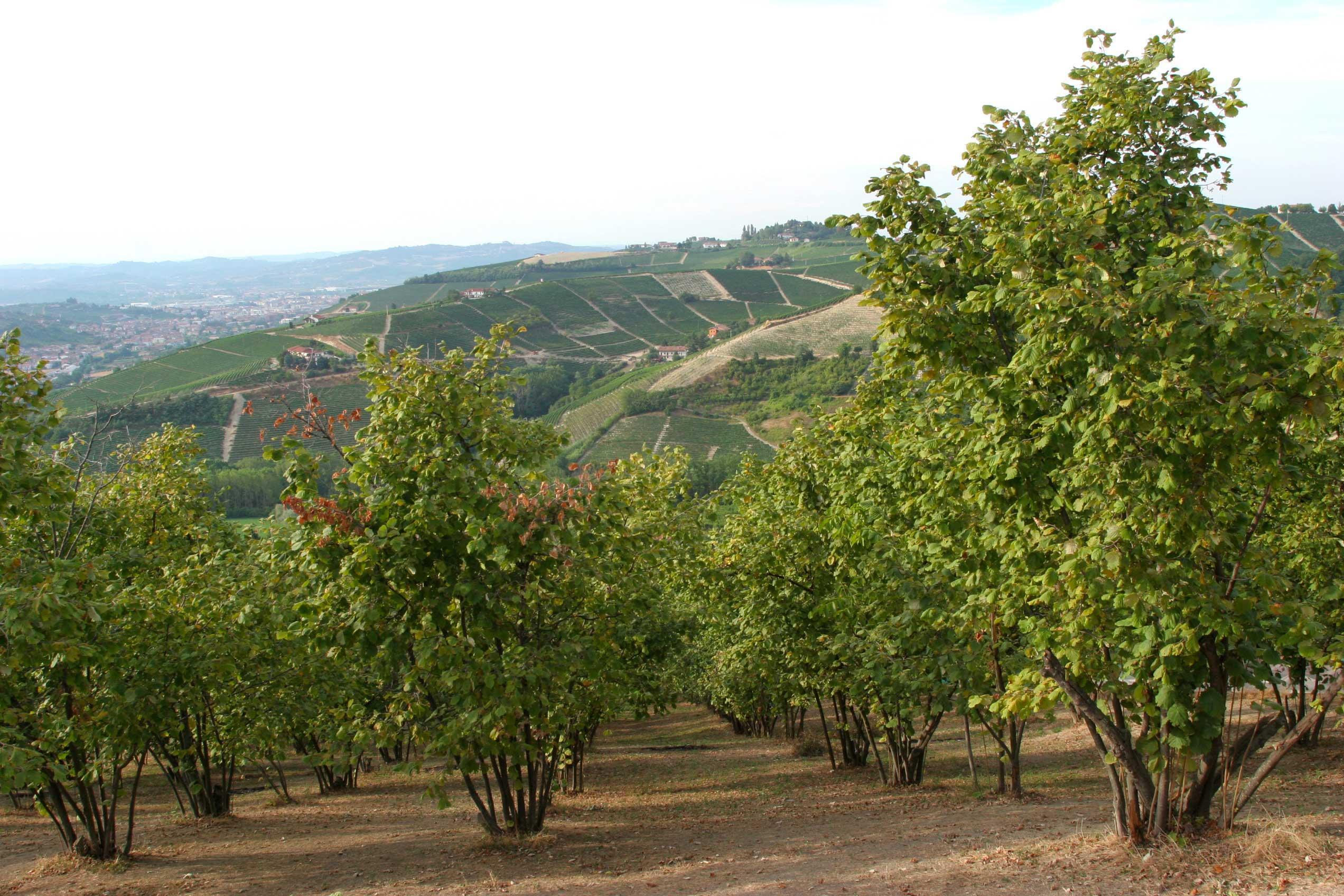
One of the biggest challenges in bringing abandoned farmland back into production is deciding what to grow.
Many crops are difficult to cultivate economically on the steep, fragmented plots common in mountain regions. Large machinery cannot easily operate there, labor costs are high, and the physical demands can be difficult for aging farmers.
Hazelnuts offer a promising alternative.
Once established, hazelnut trees can produce for decades without replanting. They require relatively modest inputs, can be managed efficiently, and are well suited to smaller plots of land.
Most importantly, premium varieties such as Tonda Gentile compete on quality rather than scale. Even a small orchard can create meaningful value.
For regions like Minakami, rich in beautiful mountain farmland but facing agricultural decline, hazelnuts represent more than just a crop.
They offer a way to bring abandoned land back to life and create a sustainable future for the next generation.
 The Hazelnut Orchard We Aspire to Create
Starting This Summer
This summer, we begin bringing this land back to life.
The first step is preparing the orchard site—clearing years of overgrowth, improving the soil, and creating the conditions for healthy trees to thrive. In late autumn, 500 hazelnut seedlings imported from Italy will be planted in the fields of Minakami.
Over the years, those trees will grow alongside the community.
The first harvest is expected in three to four years. By year five, we hope to see Minakami-grown hazelnuts transformed into premium products and enjoyed by chefs, patissiers, and food lovers across Japan.
And this is only the beginning.
Our long-term vision is to create a model for revitalizing abandoned farmland throughout the region—turning forgotten land into productive orchards and building a sustainable future for the next generation.
Turn forgotten land into a thriving orchard.
3. Growing the World's Finest Hazelnut in Minakami
What we are planting in Minakami is more than just another hazelnut orchard.
Most of the world's hazelnuts are grown for mass-market products and global commodity supply chains. We have chosen a different path.
Our orchard will be planted with Tonda Gentile Trilobata, a premium variety from the Piedmont region of northern Italy and widely regarded as one of the finest hazelnuts in the world.
Renowned for its rich aroma, natural sweetness, and delicate texture, this variety is highly sought after by leading patissiers and chocolatiers.
Rather than competing on volume, we aim to compete on quality.
By growing exceptional hazelnuts in Minakami, we hope to create premium products, support local agriculture, and bring a world-class ingredient to Japan's growing craft food scene.
From abandoned farmland to one of the world's finest hazelnuts—that is the challenge we are taking on.
A Name That Carries a Philosophy — Round, Noble, Three-Lobed
 Tonda Gentile Trilobata (TGT) (Piemonte)
The variety we have chosen is Tonda Gentile Trilobata (TGT), widely regarded as one of the finest hazelnuts in the world.
Its name tells part of its story.
"Tonda" means round. The nuts are beautifully uniform in shape, allowing them to roast evenly and develop a consistent depth of flavor.
"Gentile" means noble or gentle. Unlike commodity hazelnuts grown for mass production, TGT is prized for its rich aroma, natural sweetness, and exceptional flavor. It is the variety chosen when the hazelnut itself is meant to shine.
"Trilobata" refers to the distinctive three-lobed shape of its leaves, a unique characteristic of this celebrated cultivar.
Favored by leading patissiers and chocolatiers around the world, TGT represents the very best of what a hazelnut can be.
That is why we chose to bring it to Minakami.
World-Class Quality
Tonda Gentile Trilobata is not simply a premium hazelnut—it is a variety recognized around the world for its exceptional quality.
Produced in the Piedmont region of northern Italy, it is protected under the European Union's PGI (Protected Geographical Indication) system, a designation reserved for products with a strong connection to their place of origin and a proven reputation for excellence.
Scientific studies have also shown that Tonda Gentile contains exceptionally high levels of natural polyphenols, compounds associated with both flavor and nutritional value.
For professional patissiers and chocolatiers, however, what matters most is the taste.
Its rich aroma, natural sweetness, clean finish, and excellent roasting characteristics have made it one of the most sought-after hazelnut varieties in the world.
That is why we chose Tonda Gentile Trilobata as the foundation of our orchard in Minakami.
Chosen by the World's Most Demanding Kitchens
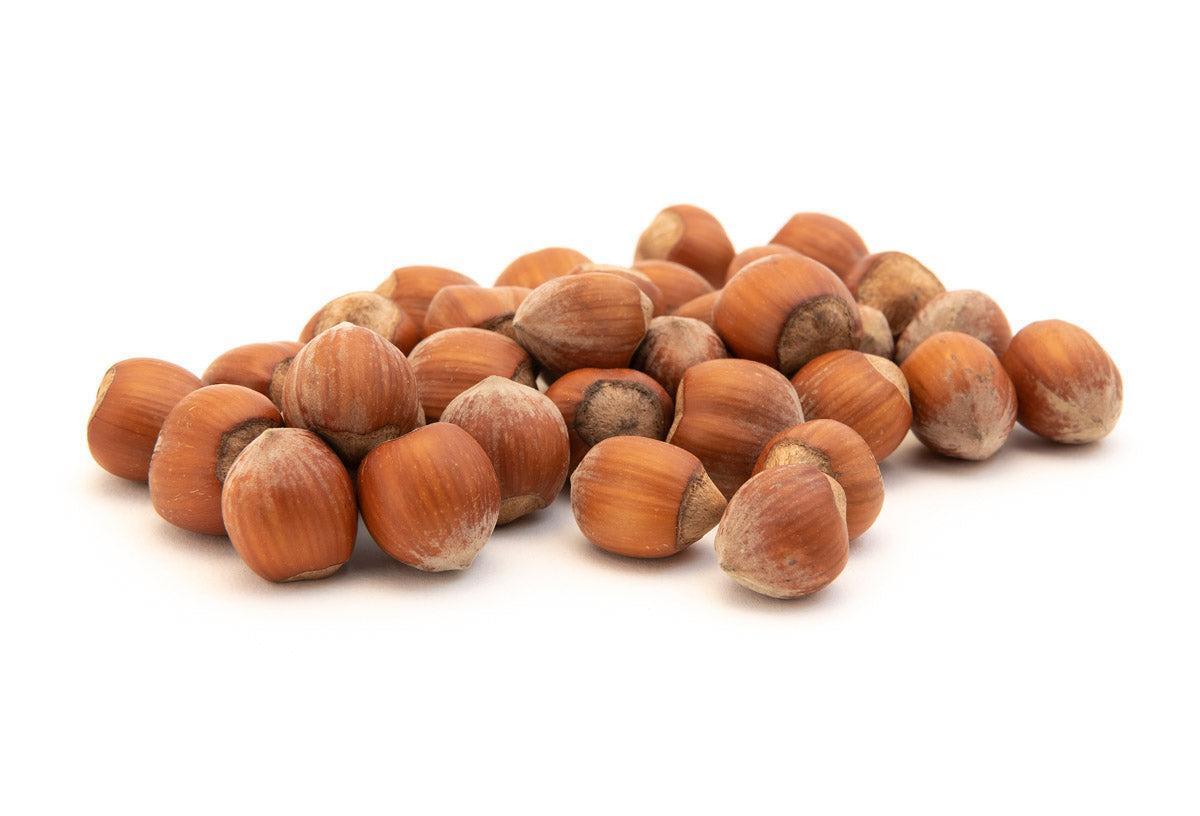
Tonda Gentile Trilobata is trusted by some of the world's most respected chocolatiers and patissiers.
Swiss premium chocolate maker Läderach is among the companies that specifically source this variety for its exceptional flavor and aroma.
Its rich, distinctive hazelnut character has made it a favorite among professionals creating high-end chocolates, pralines, pastries, and desserts where quality ingredients truly matter.
Awareness of TGT is also growing in Japan, as more chefs and confectioners seek premium ingredients that deliver a deeper, more authentic hazelnut flavor.
Our goal is to bring this world-class variety to Minakami and make it available to a new generation of Japanese artisans and food lovers.
Freshness: The Dimension That No Import Can Match
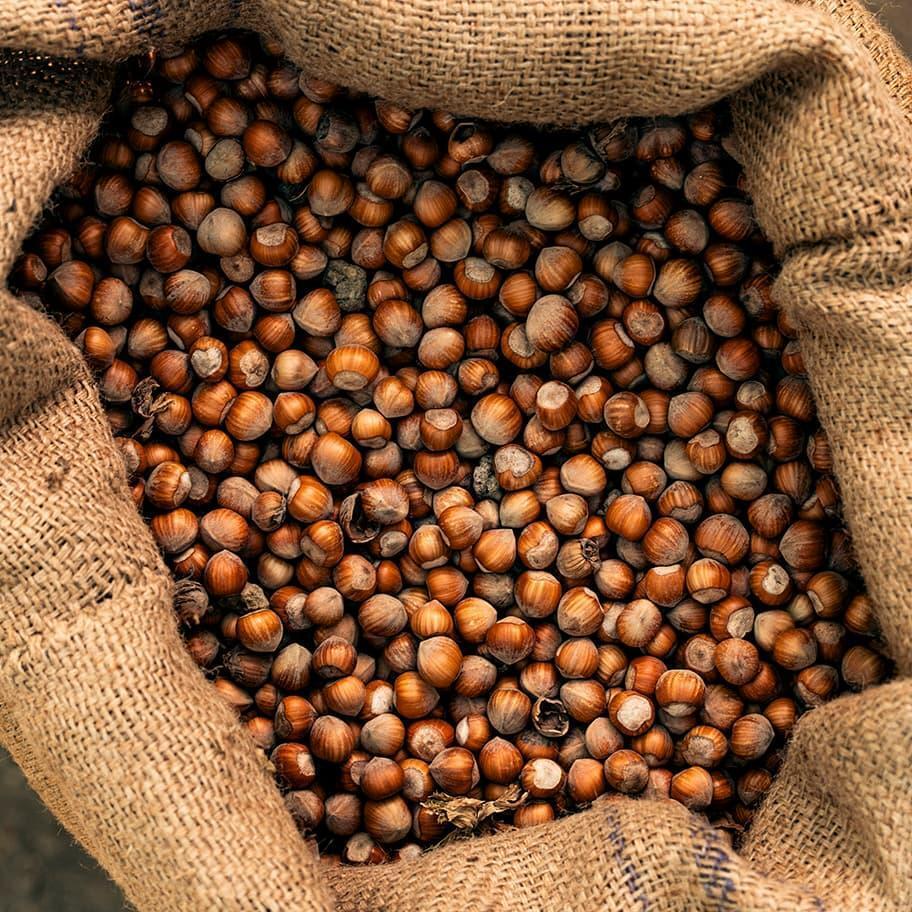
Even the world's finest hazelnuts lose something on a long journey.
Hazelnuts imported from Europe travel thousands of kilometers and may spend weeks or even months in transit before reaching a Japanese kitchen. The delicate aromas that make Tonda Gentile Trilobata so prized gradually fade with time.
Our hazelnuts will be different.
Grown in Minakami, they can reach chefs, chocolatiers, and food makers within days of harvest—preserving the freshness, aroma, and character that make this variety exceptional.
But freshness is only part of the story.
Just as great wines reflect the land where they are grown, hazelnuts also express their environment. Shaped by Minakami's mountain climate, pure water, and unique soils, our orchard will develop a character of its own.
A distinctly Japanese expression of one of the world's finest hazelnut varieties.
We call it the Minakami Character.
500 Trees, Carefully Designed
This project will establish a 500-tree hazelnut orchard in Minakami.
Of those trees, 480 are Tonda Gentile Trilobata (TGT), the premium Italian variety at the heart of our project. The remaining 20 are Tonda Gentile Romana, planted specifically as pollinators to ensure healthy flowering and reliable harvests.
While this may seem like a small detail, it reflects how we approach the entire orchard.
We are not simply planting trees and hoping for the best. Every aspect of the orchard has been carefully planned—from the varieties we selected to the way they are planted and managed.
The 480 TGT trees may take center stage, but they will thrive because the 20 Romana trees are quietly doing their essential work beside them.
Great orchards are built long before the first harvest.
This is where that work begins.
4. Project Overview
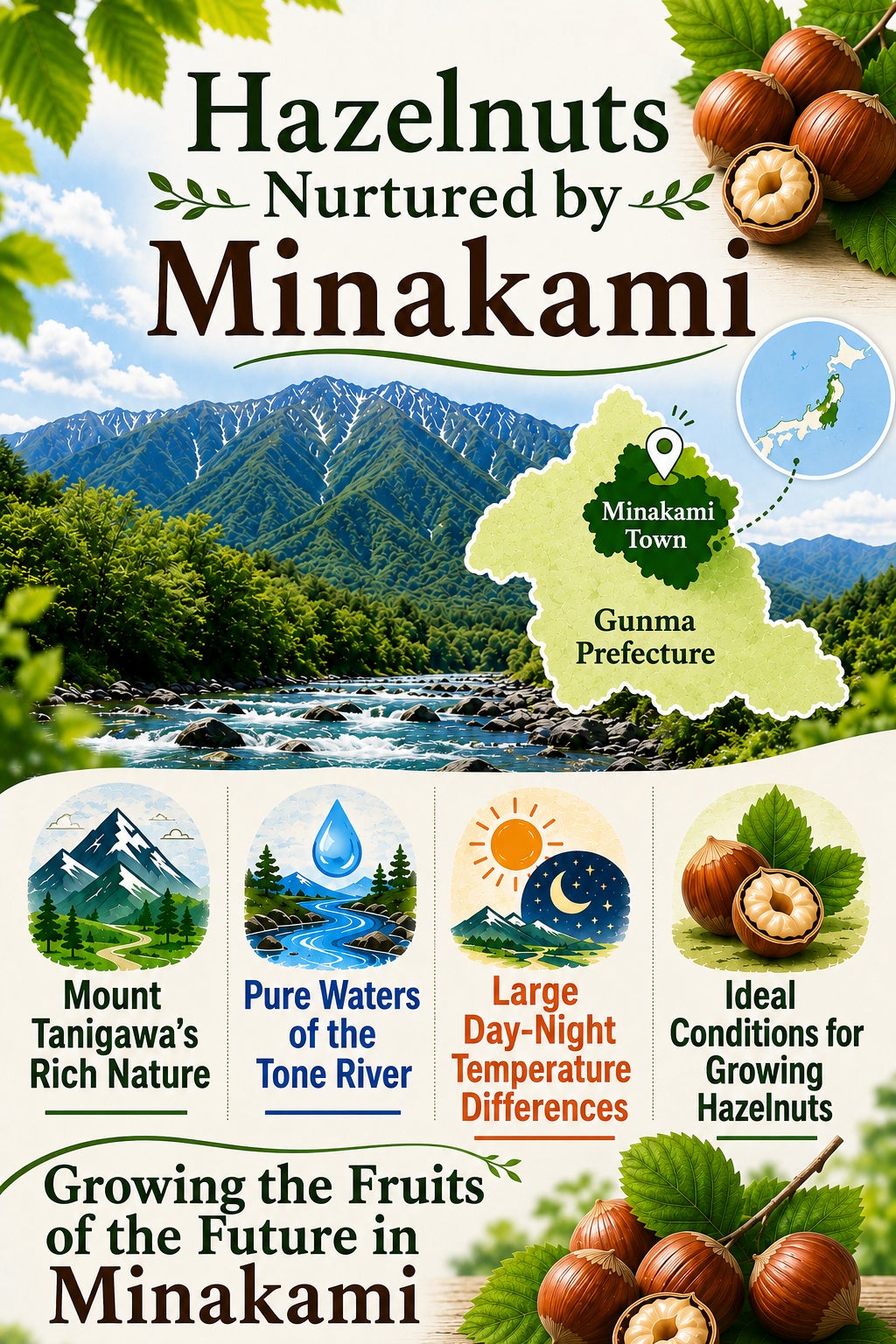
Location: Minakami, Gunma Prefecture
Area: approx. 1 hectare (12,500 m²)
Variety: Tonda Gentile Trilobata (480) + Romana pollinator (20)
Origin: Imported directly from Piedmont, Italy
Yield per tree (mature): approx. 2–4 kg
Annual harvest (500 trees, mature): approx. 1–2 tons
Future Home of the Minakami Harvest Orchard
We are incredibly grateful to the landowner for entrusting us with this beautiful land. What was once an unused field will soon become a hazelnut orchard, and we are committed to caring for it with respect, dedication, and a vision for the future.
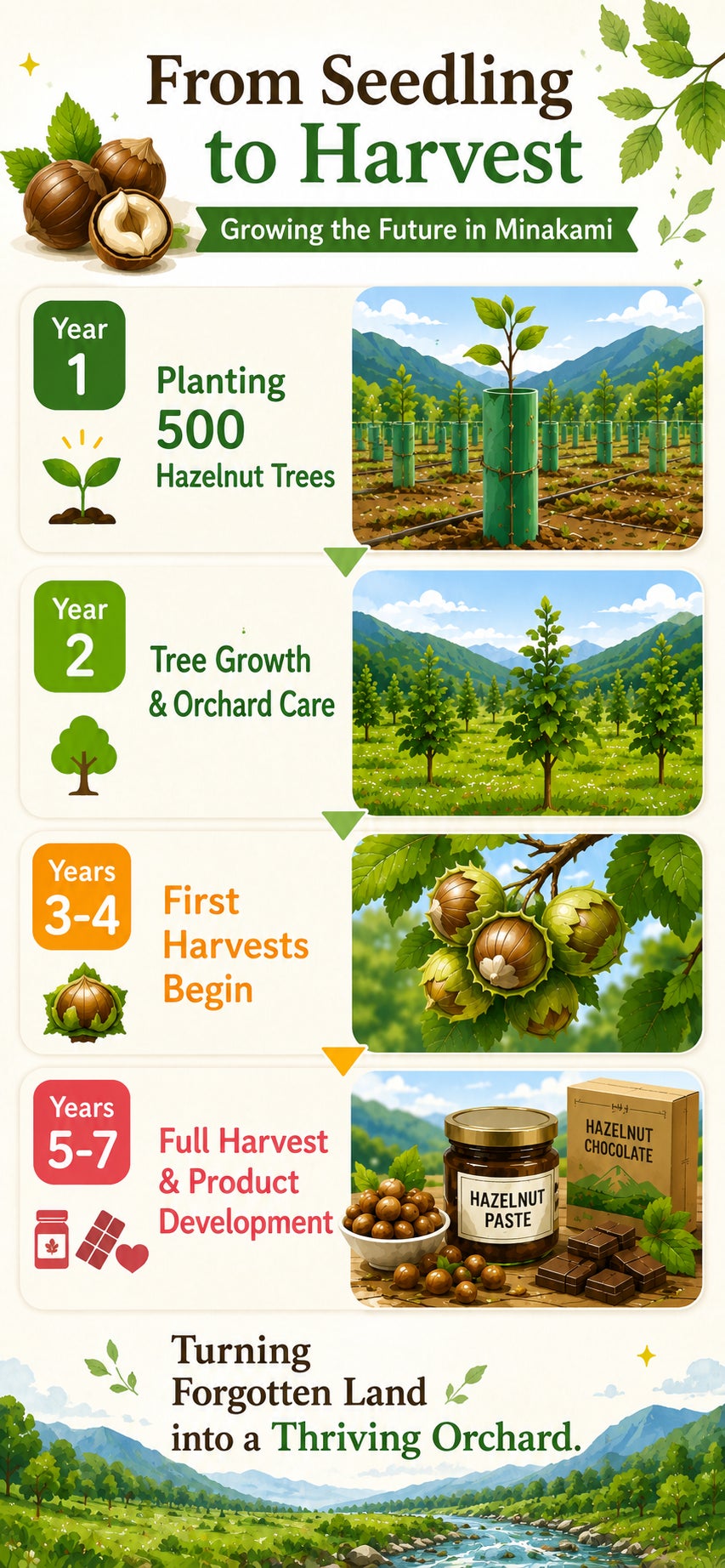
Growth Roadmap
Year 1: Planting 500 trees, installation of weed control, wildlife protection, and irrigation systems
Year 2: Tree growth and ongoing farm management
Year 3–4: Initial harvest, beginning of small-scale processing (nuts, trials for paste)
Year 5–7: Full-scale harvest, launch of product sales (hazelnuts, paste, chocolate)
The Future of Minakami Harvest: Creating Value Beyond Agriculture
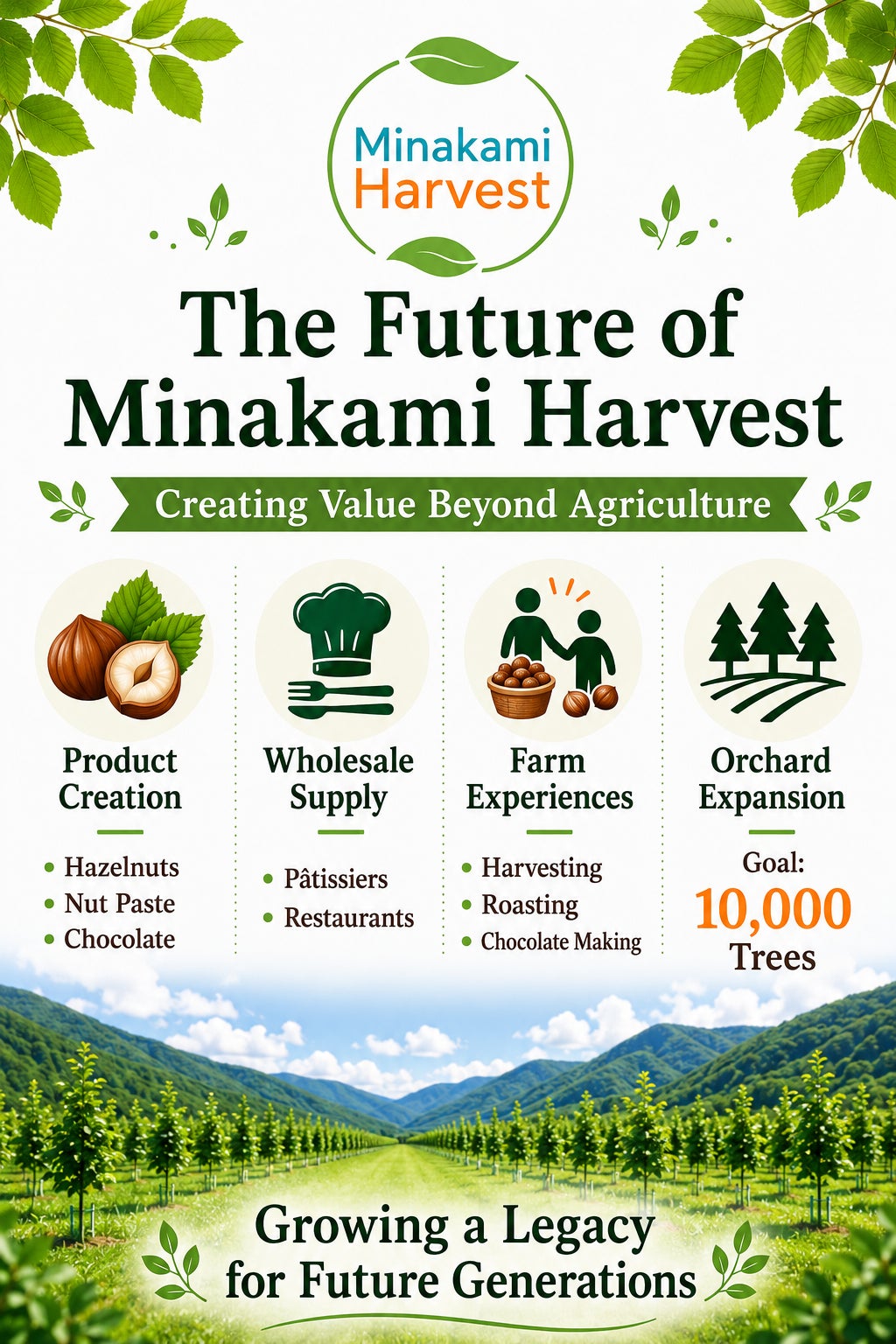
Future vision: Build the "Minakami Harvest" brand across cultivation, processing, and direct sales—with farm experiences (harvesting, roasting, chocolate-making) and gradual expansion toward 10,000 trees across Minakami's abandoned farmland.
5. Use of Funds
We have already invested ¥2.65 million of our own funds to secure 500 premium hazelnut trees from Italy. Your support will help us prepare the land, establish the orchard, and build a community around this project. Together, we can turn forgotten land into a thriving orchard.
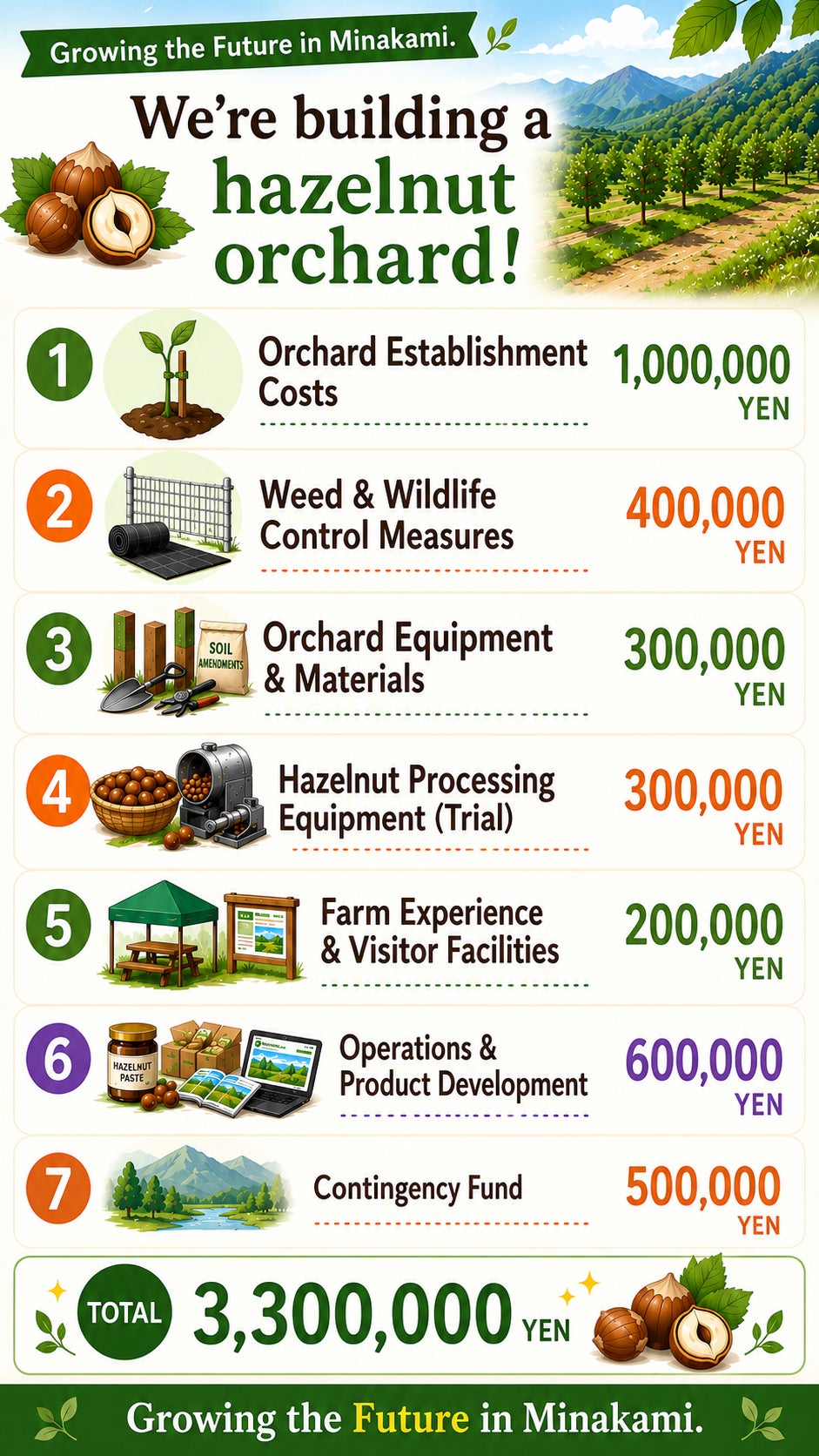
1) Farm foundation: Land lease and maintenance (multi-year), ¥1,000,000
2) Weed & wildlife control measures: Ground cover, fencing, ¥400,000
3) Orchard Equipment & Materials, ¥300,000
4) Hazelnut Processing Equipment (trials): Small roaster, cracking equipment, ¥300,000
5) Farm Experience & Visitor Facilities: Basic facilities, safety measures, ¥200,000
6) Operations & Product Development: Rewards, packaging, shipping, PR, ¥600,000
7) Contingency Fund: Weather and cost fluctuations, ¥500,000
Total: ¥3,300,000
6. Rewards
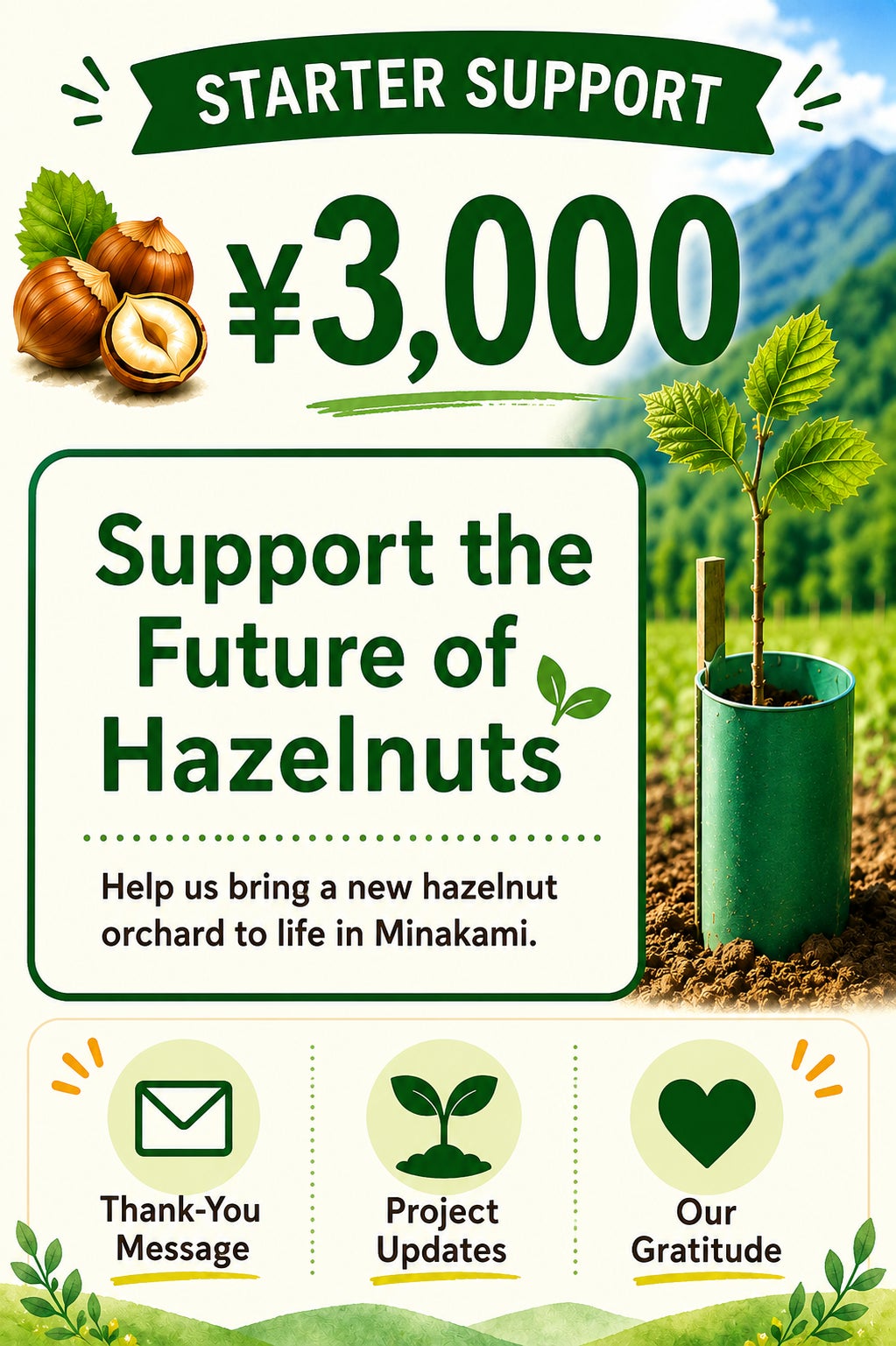
■ ¥3,000 | Supporter Support
Farm updates (x2/year, email)
Planting photos
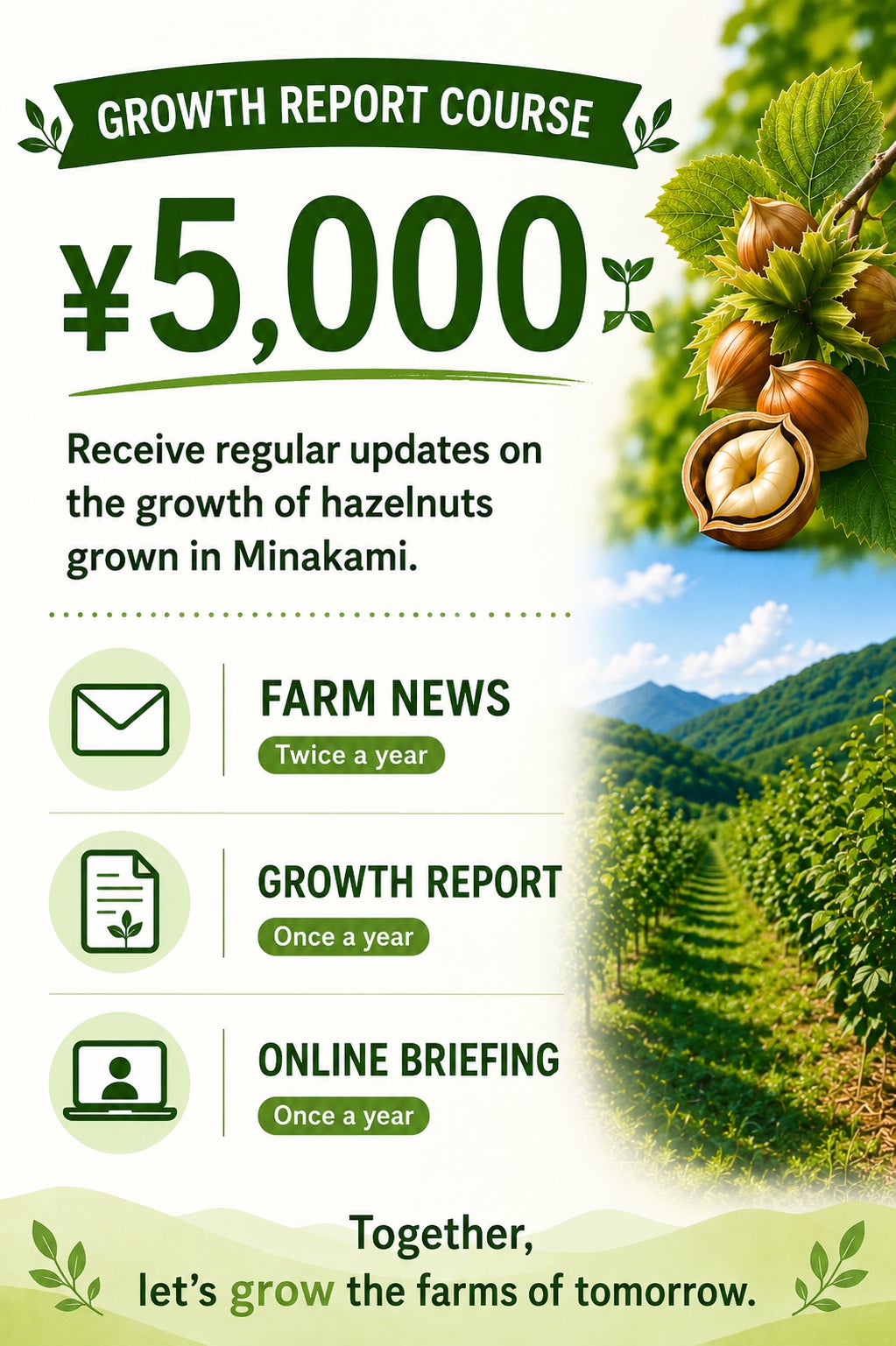
■ ¥5,000 | Growth Report Course
Farm updates (x2/year, email)
Annual growth report (PDF, x1/year)
Access to online session (x1/year)
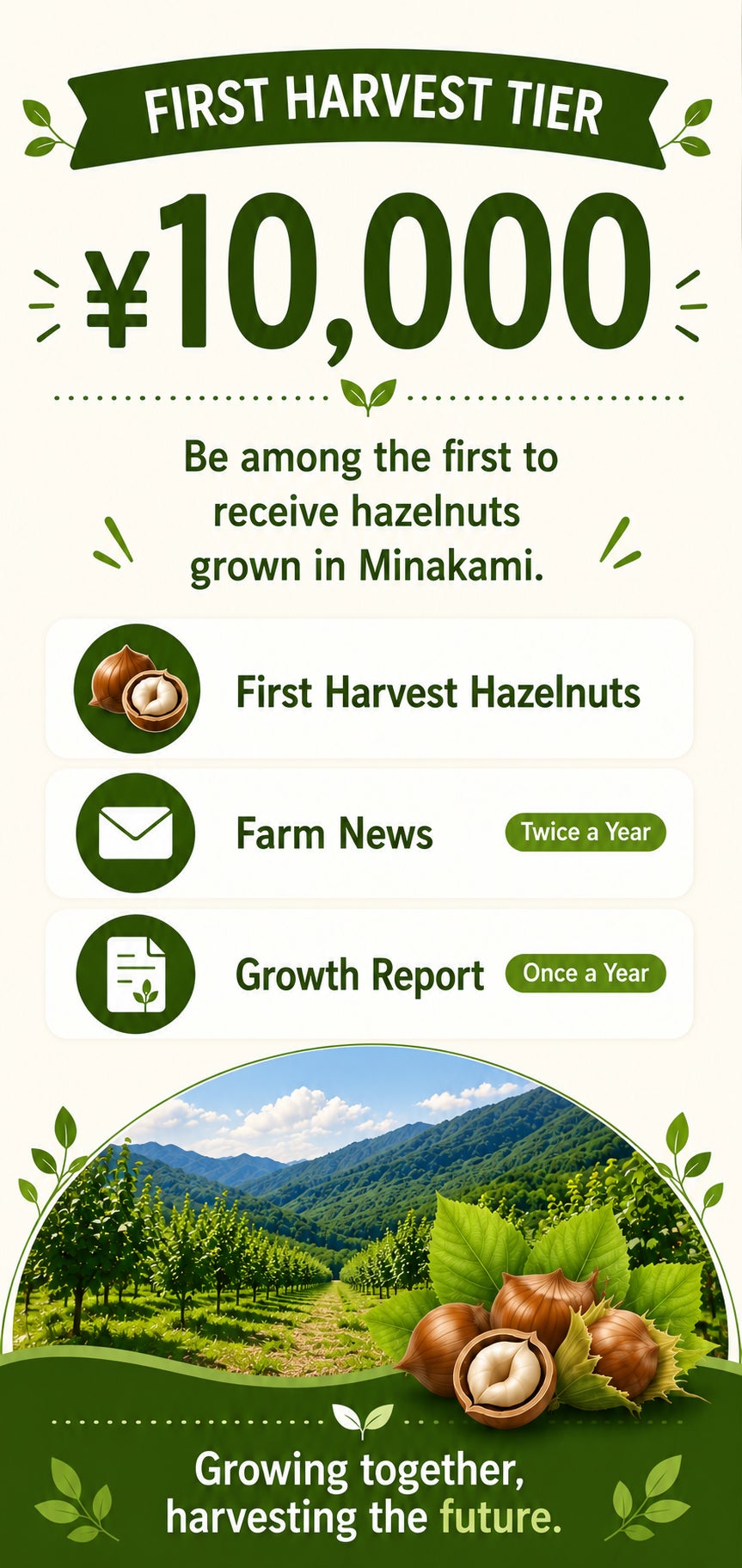
■ ¥10,000 | First Harvest Tier
First harvest hazelnuts (approx. 200–300g)
Farm updates (x2/year, email)
Annual growth report (PDF, x1/year)
Access to online session (x1/year)
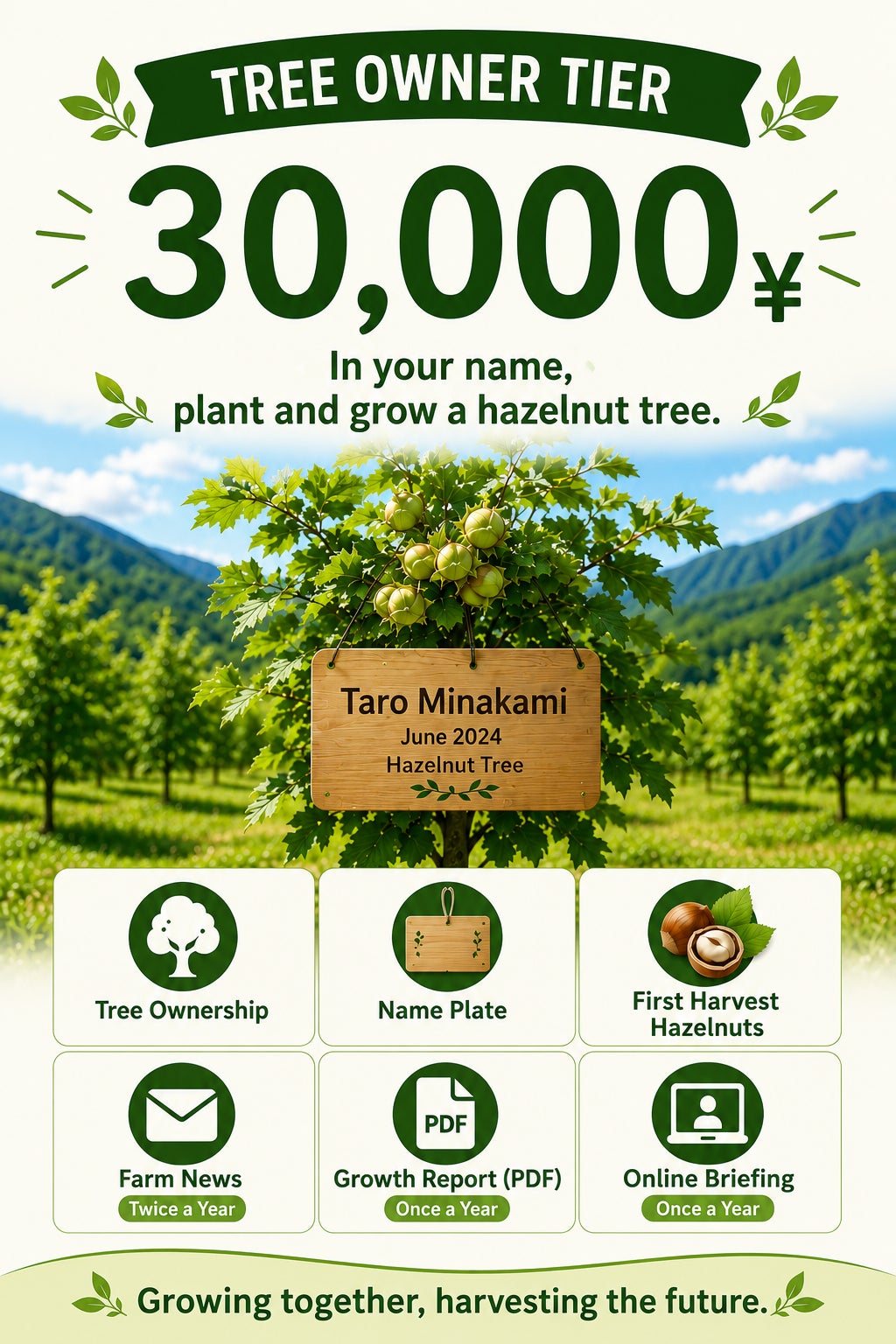
■ ¥30,000 | Tree Owner Tier
Ownership of one hazelnut tree
Name plate on your tree
Annual harvest (approx. 500g, for 3 years)
Photo of your tree + annual report
Farm updates
Annual growth report (PDF, x1/year)
Access to online session (x1/year)
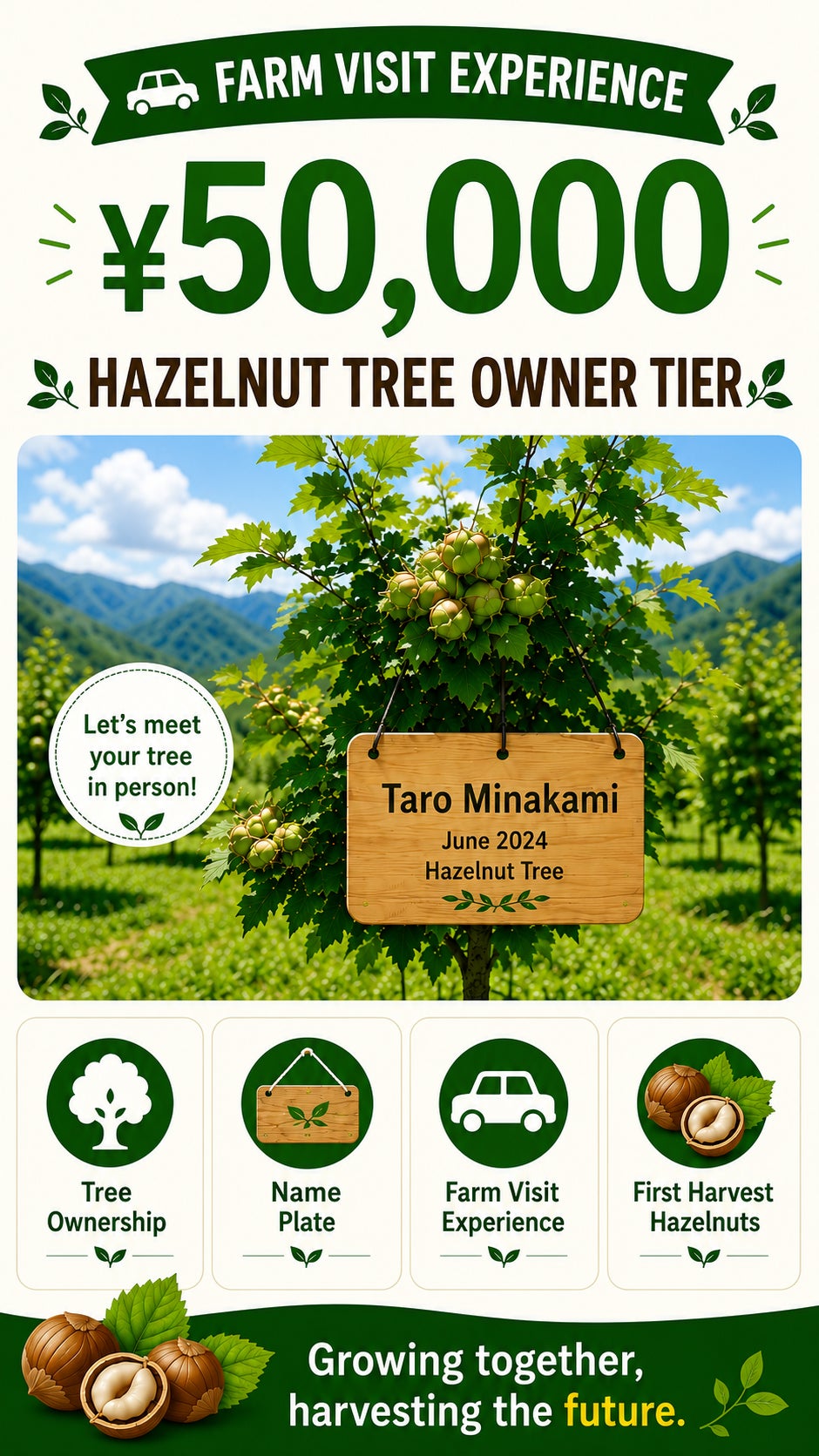
🚗 Farm Visit Experience
■ ¥50,000 | 🌰 Tree Owner + Farm Visit
All Tree Owner benefits
Harvest experience (1 day, 1–2 people)
BBQ event participation
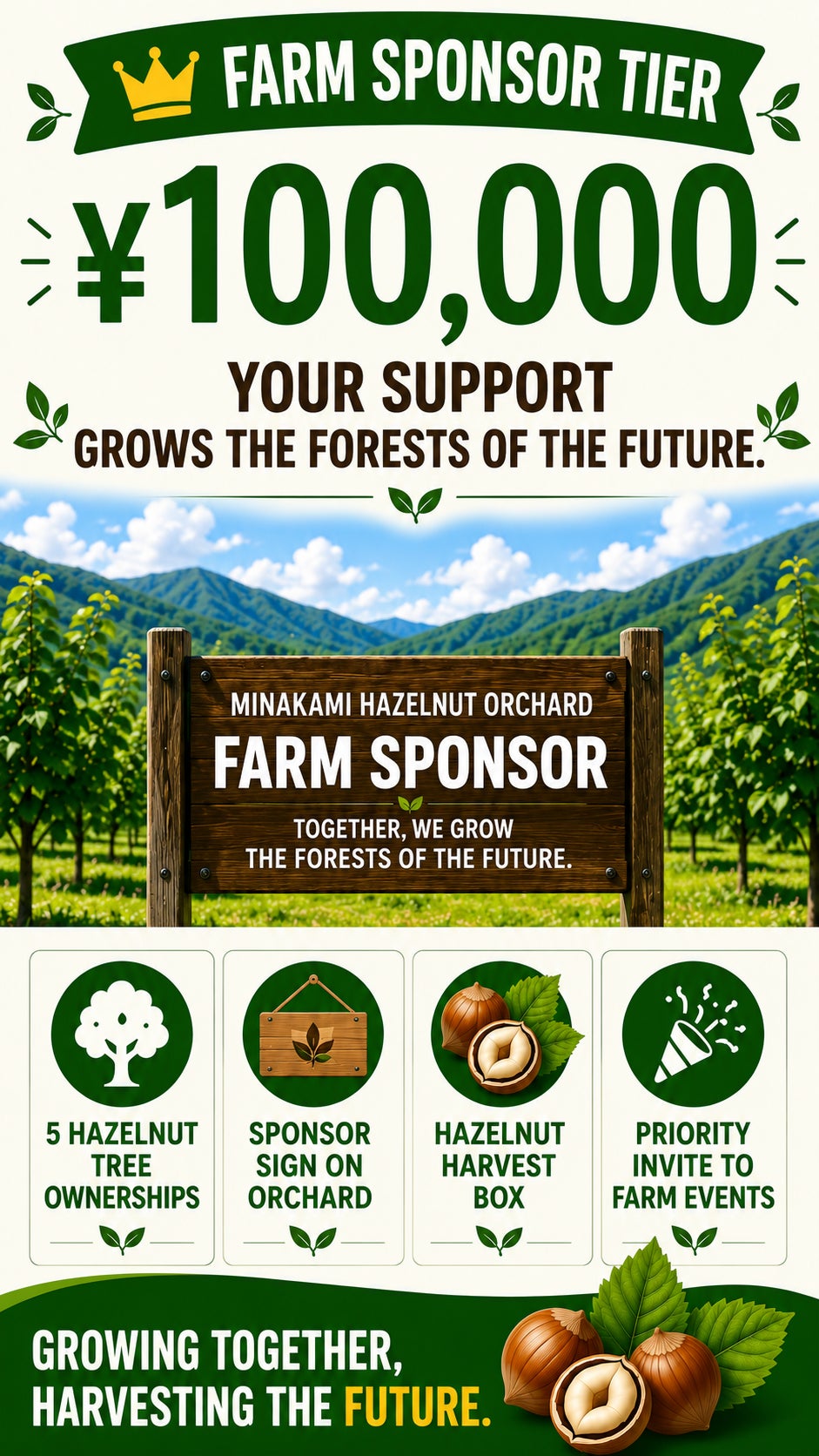
■ ¥100,000 | 🌰 Farm Sponsor Tier
Ownership of 5 trees
All Tree Owner benefits
Assorted hazelnut products (3 years)
Priority invitation to farm events
Name listed on website and signage
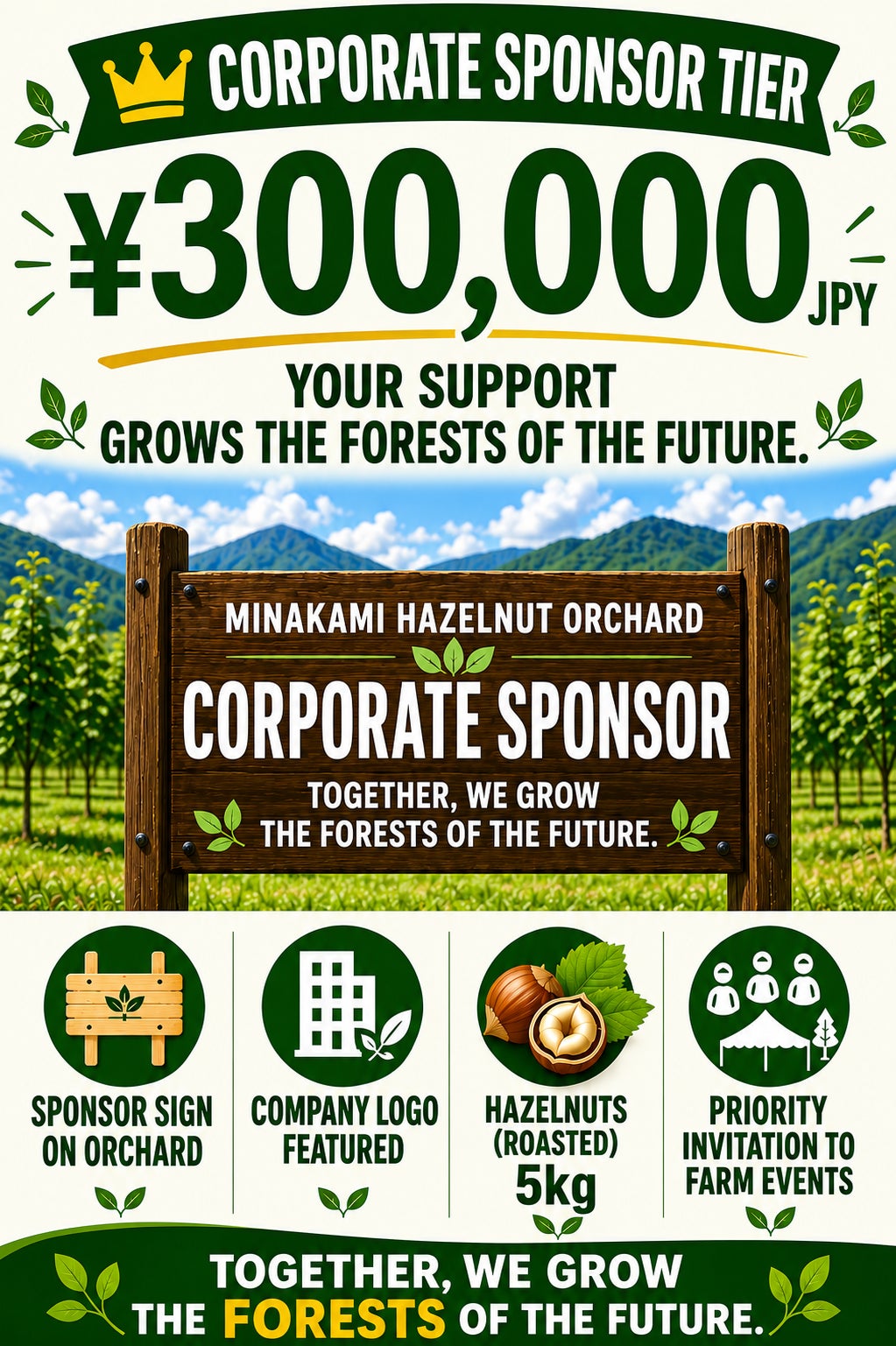
■ ¥300,000 | 🌰 Corporate Sponsor Tier
All Tree Owner benefits
Harvest experience (1 day, up to 5 people)
Priority invitation to farm events
Company logo featured in newsletter and on sponsor board
5kg roasted hazelnuts
*Hazelnut yields may vary depending on weather and growing conditions.
7. Meet the Minakami Harvest Team
Mike
 For many years, I have been drawn to Minakami not only as a place of natural beauty, but as a community where small, thoughtful businesses can grow and create lasting value. That commitment has led me to invest in several local ventures, beginning with coffee roasting and expanding toward seasonal apple products such as apple jam and apple butter, with the longer-term goal of opening a cafe in Yubara under the Minakami Harvest name.
The hazelnut orchard project is a natural extension of that vision. By planting and developing a hazelnut farm in Minakami, while exploring land in Kamimoku and Tsukiyono, I hope to build something that is both practical and lasting: a local agricultural business that produces premium ingredients, supports regional identity, and grows into a meaningful part of Minakami’s future. This project is not only about farming, but about creating a foundation for local food, local enterprise, and long-term community value.
Ko

I was drawn to the magnificent natural beauty of Minakami and its rich agricultural heritage.
As a lifelong surfer and passionate skier, I've always felt most at home in nature. I live by the motto:
"Love the life you live. Live the life you love."
Living close to nature, eating wholesome food, and staying active have always been important to me—a belief that shapes both my approach to clean food and my commitment to health.
After becoming a father, I started thinking more seriously about what I wanted to spend my time and energy on. Building something that would last felt increasingly important.
For years, I had dreamed of creating something that could bring people joy using ingredients grown from the ground up. That dream eventually led me to hazelnuts and became the inspiration for this project.
More than anything, I would love to see people gathering around these fields once again rather than watching them slowly disappear. Through this orchard, we hope to create new possibilities for agriculture, food, and community in Minakami.
One tree at a time, we are planting the seeds of that future.
Tyler / Youth Ambassador
 I am a first-year high school student. Since I was young, I have loved spending time in nature and have enjoyed surfing and skiing with my father.
At Minakami Harvest, I help with hazelnut cultivation and orchard development while learning about agriculture, food, and the importance of working with nature.
Through this project, I hope to help more people discover the beauty of Minakami and contribute to building an orchard that will benefit future generations.
I still have a lot to learn, but I look forward to growing alongside the orchard as a member of the next generation.
Thank you for your support!
8. Our Vision
We have been inspired by the natural beauty and agricultural heritage of Minakami, and today we are taking on a new challenge: building a hazelnut orchard.
The seedlings are ready. The land is secured. The project has already begun.
There will be challenges ahead, but we are committed to growing this orchard over the next 10 to 20 years and creating something that lasts for future generations.
Our vision is simple: to transform abandoned farmland into a place where people can harvest hazelnuts, enjoy great food, connect with nature, and gather together.
We would be honored to have you join us on this journey.
Together, let's turn forgotten land into a thriving orchard.
Fun Facts: The Long History of Hazelnuts in Japan
Japan's relationship with the hazelnut reaches back to the Jomon period (roughly 10,500–300 BC). Two native hazel species grew wild across the mountains of Honshu and Hokkaido: Corylus heterophylla var. thunbergii and Corylus sieboldiana. For Jomon people, these small autumn nuts were a vital part of life—gathered alongside chestnuts, walnuts, and acorns as the forests' seasonal harvest. Archaeological evidence confirms that people stored these hazelnuts in underground pit cellars for winter.
The nut's usefulness went beyond eating. Oil pressed from hazelnut was used as lamp fuel, and historical records suggest this practice dates to the era of Empress Jingu, around 211 AD, making it one of the earliest recorded plant oil extractions in Japanese history. Hazel branches were also used for divination and protective charms, a tradition remarkably similar to those found in Celtic and Germanic Europe.
Today, hazelnuts remain one of the world's most commercially important nuts. Turkey dominates global production at roughly 70%—approximately 820,000 tons per year—followed by Italy at around 140,000 tons annually.
The Attempt That Almost Was — Nagano in the 1960s
Japan came surprisingly close to having a domestic hazelnut industry in the 1960s and early 1970s. Farmers in Nagano Prefecture grew genuinely excited about hazelnut cultivation, planted trees, and took the ambitious step of approaching major confectionery companies to discuss becoming a domestic supply source (recorded in the Nagano City Agricultural Cultivation Guidebook).
The companies' answer was simple and devastating: imported Turkish hazelnuts were far cheaper. With that single economic argument, the farmers' efforts were dismissed. For the next several decades, Japan had no domestic hazelnut industry.
The Modern Revival (2013–Present)
The turning point came on a winter business trip in 2010. Okada Hiroshi, who worked for an import company, found himself in Italy's Piedmont region. There, on snow-covered mountain slopes, hazelnut trees grew in orderly rows—and the scene struck him immediately: this landscape looked remarkably like Nagano.
In 2013, Okada began Japan's first systematic trial cultivation in Nagano City, importing seedlings of the "Tonda Gentile delle Langhe" variety from Piedmont. He started with 100 trees; three years later came the first harvest, and after that, yields doubled year on year. By 2023, more than 844 registered hazelnut growers across Japan had been inspired by his model. Japan's first Hazelnut Agricultural Training Institute opened in Nagano City that same year, graduating 500 students in just its first two and a half years. In 2024, Nagano City introduced subsidies for hazelnut seedling purchases.
And yet, Japan's total domestic hazelnut production stands at only around 20 tons per year—against 10,000 tons of annual demand. Japan's hazelnut market is forecast to grow to approximately ¥1.4 billion by 2035. The gap between what Japan grows and what it needs remains enormous—and the opportunity is real.
最新の活動報告
もっと見る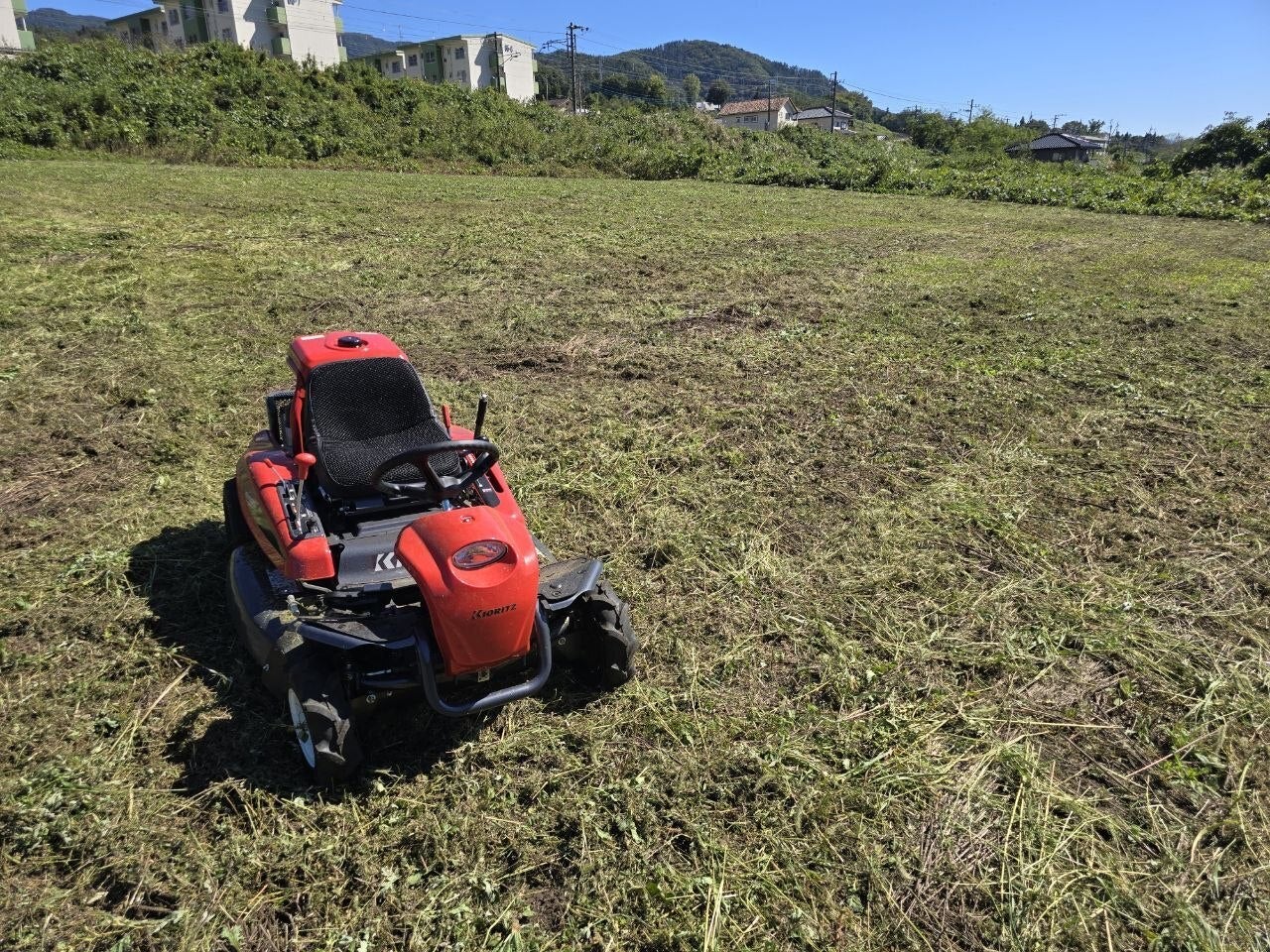
秘密兵器、ついに登場! 赤い跳ね馬「MH号」
2026/10/10 10:00前回の活動報告で予告していた「秘密兵器」が、ついに納車されました!その正体は……赤い跳ね馬、乗用草刈り機です!名付けて「MH号」。青い空に鮮やかな赤が映えます。草刈りが、こんなに楽しいとは!そして、ご覧ください。この圧倒的な破壊力!生い茂っていた草が刈り払われ、農園がみるみるすっきりしていきます。これまで使っていた手持ちの草刈り機と比べると、体感では数十倍も作業がはかどるほどです。ここに木が並ぶ日が、楽しみだなあこうした機械を使い慣れている農家の方には、当たり前の光景かもしれません。でも、農業の新参者である私たちにとっては、思わず感激してしまうほどの「文明の利器」。これからの農園づくりで、頼もしい相棒になってくれそうです。草刈りが進み、いよいよ木を植える位置を決める段階が近づいてきました。皆さまに見守っていただきながら、少しずつ形になっていく農園。今後の活動報告も、どうぞお楽しみに! もっと見る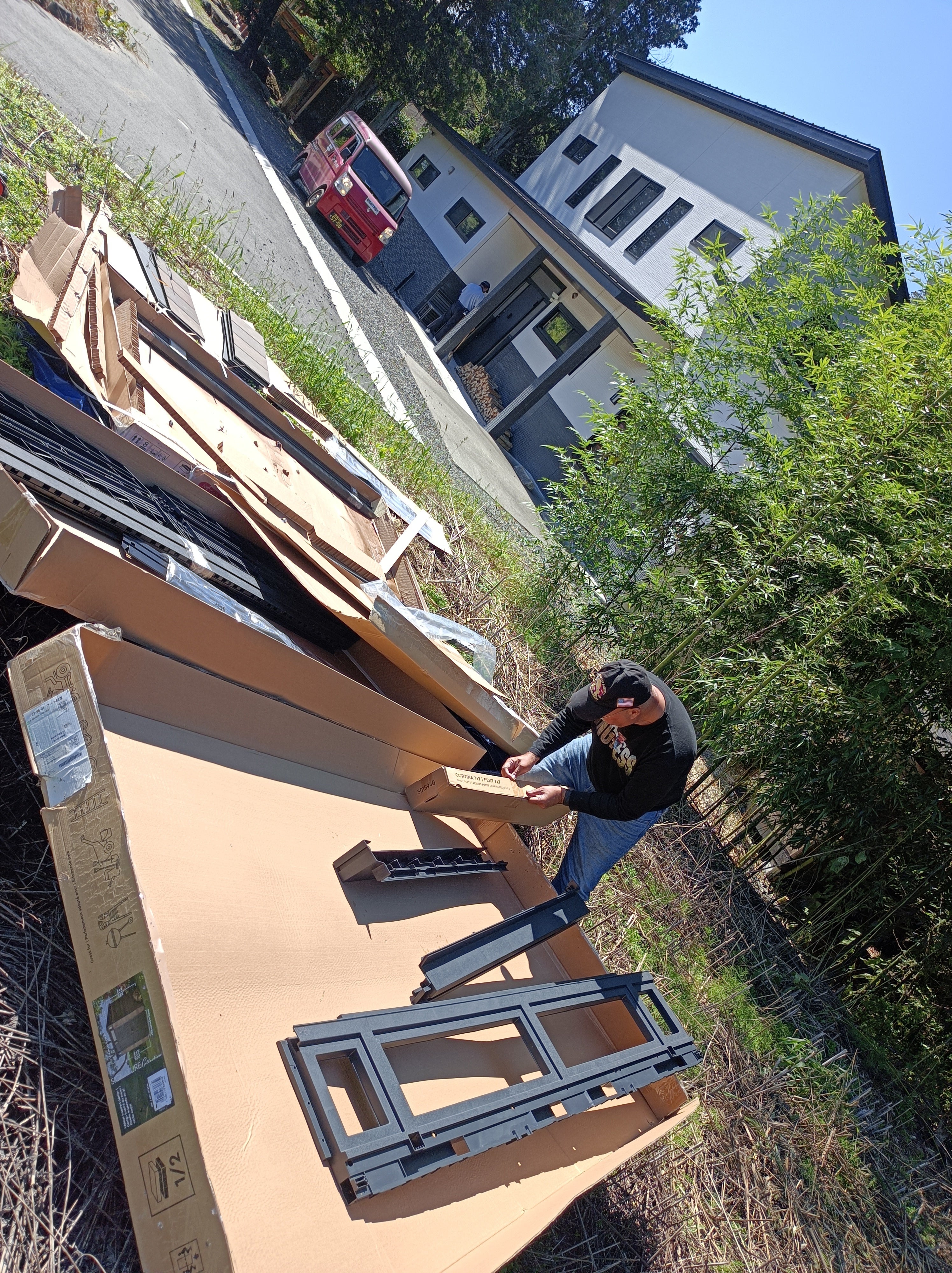
農園に納屋が完成!秘密兵器は次回公開
2026/10/04 21:33早いもので、今年も残すところ3か月を切りました。皆さま、いかがお過ごしでしょうか。みなかみも少しずつ秋らしくなってきました。年内の本格的な草刈りも、あと数回を残すのみ。秋が深まるにつれて雑草の勢いも落ち、やがて冬の休眠期に入ります。とはいえ、農園にはまだまだ手強い場所が残っています。今回は、ほぼ手つかずの藪に完全武装で挑みます。見た目はプロ、中身は修行中雑草、強すぎる背丈ほどに伸びた草やツルを刈り進めていく作業は、なかなかの重労働。それでも、秋空の下で少しずつ農園らしい姿になっていくのを見ると、不思議と疲れも忘れます。そして今回は、草刈りだけではありません。農園に新しく「納屋」を設置しました。これ、本当に今日中に終わる?午前中で終わる予定が、気づけば一日仕事サクッと午前中で終わるつもりだったのですが、思った以上に手こずり、気づけば丸一日かかっていました。丸一日かかりましたが、無事完成!この納屋に格納されるのは、これからの農園づくりで活躍してもらう「秘密兵器」。さて、その正体は……。次回の活動報告でご紹介します! もっと見る
クラウドファンディング終了のご報告と、これから
2026/09/21 08:58こちらの活動報告は支援者限定の公開です。








コメント
もっと見る